Show summary Hide summary
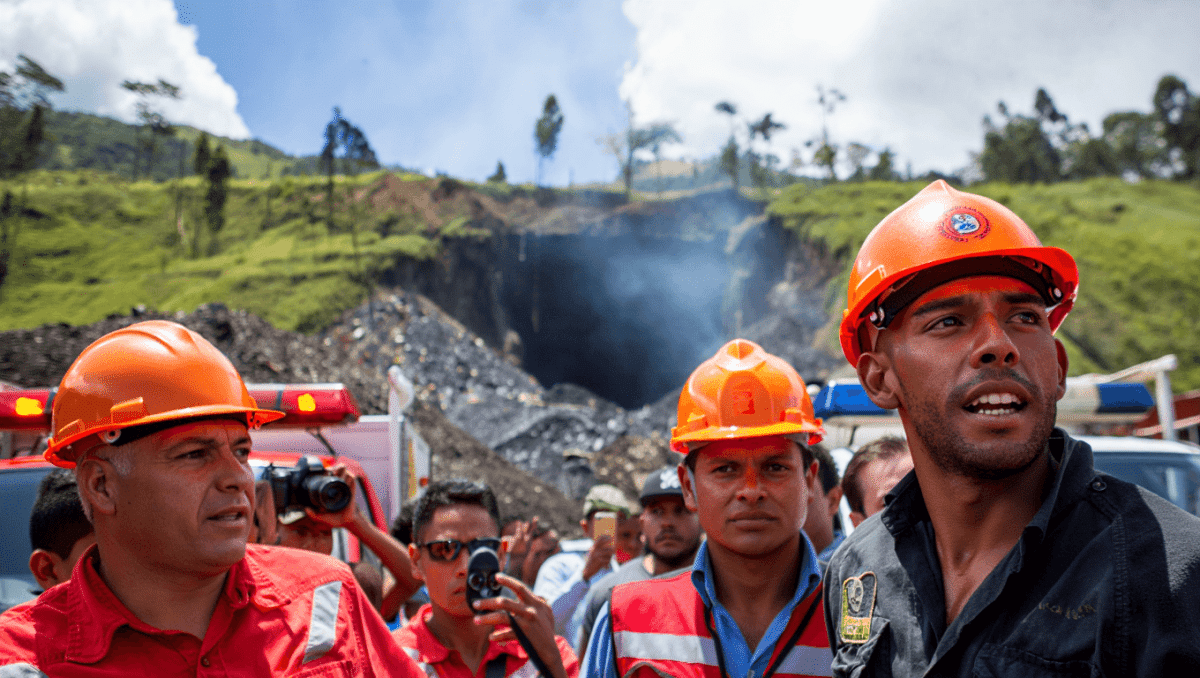
An explosion in a Colombian coal mine has left 12 workers trapped underground, prompting an urgent rescue operation and a renewed focus on mine safety standards. The incident, reported by local authorities, is unfolding amid difficult conditions that could complicate access to the site and the miners’ immediate survival.
Rescue crews have mobilized specialized teams to the location, according to official briefings, while emergency services coordinate surface-level support for families and on-site logistics. Information remains limited as teams assess structural stability and atmospheric hazards inside the shaft.
Immediate risks and response priorities
Explosions in coal mines typically create several simultaneous dangers that rescuers must manage before attempting direct access to trapped workers.
Boxing champions ditch long runs for high-intensity training: new era in fight prep
Czech nationals among victims of Pinedale-area crash: two confirmed dead
- Atmospheric hazards: Elevated levels of methane or coal dust can sustain secondary explosions and cause asphyxiation.
- Structural collapse: Blast forces may destabilize tunnels and support pillars, requiring stabilization work before entry.
- Fire and heat: Fires ignited by the blast can complicate ventilation and increase risk to both miners and rescuers.
- Limited oxygen: Prolonged entrapment raises the urgency of establishing breathable air and access routes.
Typical tactics involve remote gas monitoring, drilling boreholes to deliver oxygen and supplies, mapping collapsed passages, and using reinforced shafts or existing escape routes if safe. Medical teams are staged at the surface, ready to triage and treat survivors as they are brought out.
Why this matters now
Beyond the immediate human toll, such incidents have broader implications for Colombia’s mining sector and communities that depend on it. Coal remains a significant export, and safety failures reverberate through local economies, labor relations, and regulatory scrutiny.
Labor advocates and local officials often call for stronger enforcement after accidents like this. Investigations typically examine ventilation systems, gas detection equipment, maintenance records, and compliance with safety protocols. Depending on findings, authorities may order temporary shutdowns, fines, or criminal inquiries.
For families and neighbors, uncertainty compounds the danger: access to reliable updates is essential yet frequently limited in the early hours of an emergency. Protecting the dignity and privacy of those affected while providing clear public information is an immediate challenge for authorities and the mining company involved.
Context and next steps
Colombian mining has a long history of workplace accidents tied to geological and operational hazards. While safety technology and regulation have improved in parts of the sector, incidents persist, underlining the need for continuous inspection and investment in modern monitoring systems.
Authorities have said they will provide updates as the rescue progresses and an investigation begins. For now, the priority remains reaching the trapped miners, stabilizing the site, and ensuring survivors receive prompt medical care.
This is a developing story; further details, including official statements, the mine’s location, and the condition of those trapped, are expected to be released as rescuers advance and assessments are completed.