
Show summary Hide summary
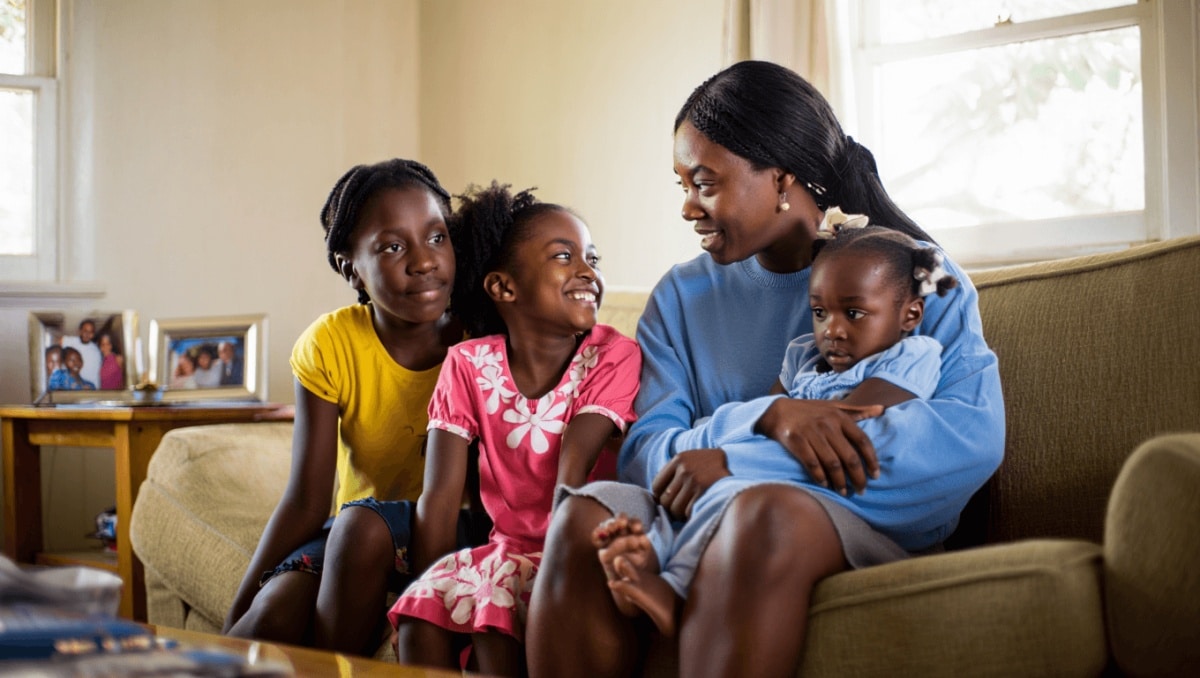
A year after losing their home, Johnika Jamison and her three daughters are spending this Mother’s Day in a rented apartment — a change made possible by a surge of public donations and months of searching for stable housing. Their story underlines how quickly a middle-class life can fray and why short-term help often isn’t enough to restore long-term stability.
Jamison, 39, had worked for a decade as a school counselor and holds a master’s degree. When her family’s medical and financial problems mounted, the household spiraled into displacement: stays in scattered hotel rooms, weeks spent apart, and one night sleeping in a car with an infant.
From survival to stability — briefly
After her story drew attention late last year, more than 600 donors contributed through a GoFundMe campaign that raised roughly $65,000. Jamison used the funds to secure an apartment in Charlotte, paying for a 15-month lease upfront so her children would have a home through next year. The family moved in this January.
Boxing champions ditch long runs for high-intensity training: new era in fight prep
Czech nationals among victims of Pinedale-area crash: two confirmed dead
“Before, I was just trying to survive. Now I’m fighting to thrive,” Jamison said, describing small, meaningful changes: her daughters having space to play, quiet mornings, and a kitchen where meals can be cooked without juggling a hotel room.
Still, Jamison’s path forward is fragile. She is the primary caregiver for her husband, who lives with multiple sclerosis, and for children with ongoing medical needs. She has attended several job interviews but faces another major barrier: reliable **child care**, without which sustained employment is difficult.
No single solution
Experts caution that Jamison’s progress — while real — does not erase the structural gaps that push families into homelessness. Pear Moraras, a senior research associate in the Urban Institute’s Housing and Communities Division, says many households fall through administrative cracks because eligibility rules and limited program capacity leave out people who need help most.
Jamison has repeatedly contacted local housing and social services but often found she either did not meet program criteria or received no reply. One local non-profit, the Queen City Pregnancy Resource Center, provided diapers, gas cards and parenting classes and remains one of the few consistent supports she cites.
- Immediate impact of the donations: rent prepaid for 15 months, security for the children, a private bedroom for the baby.
- Ongoing needs: child care, steady employment, funds to cover utilities and transportation once the initial donations run out.
- Systemic gaps: benefit eligibility limits, front-loaded costs like security deposits and furniture, and insufficient outreach from housing agencies.
Jamison’s experience highlights a common pattern: short-term financial relief can stop the worst outcomes, but rebuilding income, securing affordable child care, and navigating medical needs require longer-term coordination between agencies and community groups.
Why this matters now
This story arrives on the heels of Mother’s Day, putting a human face on broader policy debates about housing affordability and social safety nets. For readers, it’s an example of how easily a household can become vulnerable — and how community support can provide a crucial bridge.
Policymakers and service providers point to two practical takeaways: simplify access to emergency housing supports and reduce upfront costs that bar families from moving into permanent housing. Without those changes, many households—especially those caring for family members with health problems—risk recurring displacement.
Jamison says the outpouring of messages and money changed more than her address. She keeps the encouraging notes in a folder and describes a shift in outlook: hope is no longer hard to come by. Her immediate goals are to return to counseling work and to use her experience to assist other families caught in similar cycles.
For now, the family is focused on routine: school mornings that aren’t rushed, a baby who can nap in a quiet room, and the small routines that make a house feel like a home. But the longer-term test — sustaining income and care without the cushion of donated funds — is still ahead.