
Show summary Hide summary
As shoppers refill fruit bowls for warmer months, the choice between mandarins and oranges is more than cosmetic: their textures, peels and nutrient mixes influence how you eat them, what recipes they suit and how your body absorbs key vitamins. Understanding those differences can help you pick the right citrus for snacks, juicing or cooking this season.
How they differ at a glance
Both fruits belong to the citrus family, but they come from different branches of the same tree of origin. Most familiar sweet oranges are hybrids that trace part of their lineage back to mandarins and larger citrus relatives, which helps explain overlapping traits alongside distinct ones.
Boxing champions ditch long runs for high-intensity training: new era in fight prep
Czech nationals among victims of Pinedale-area crash: two confirmed dead
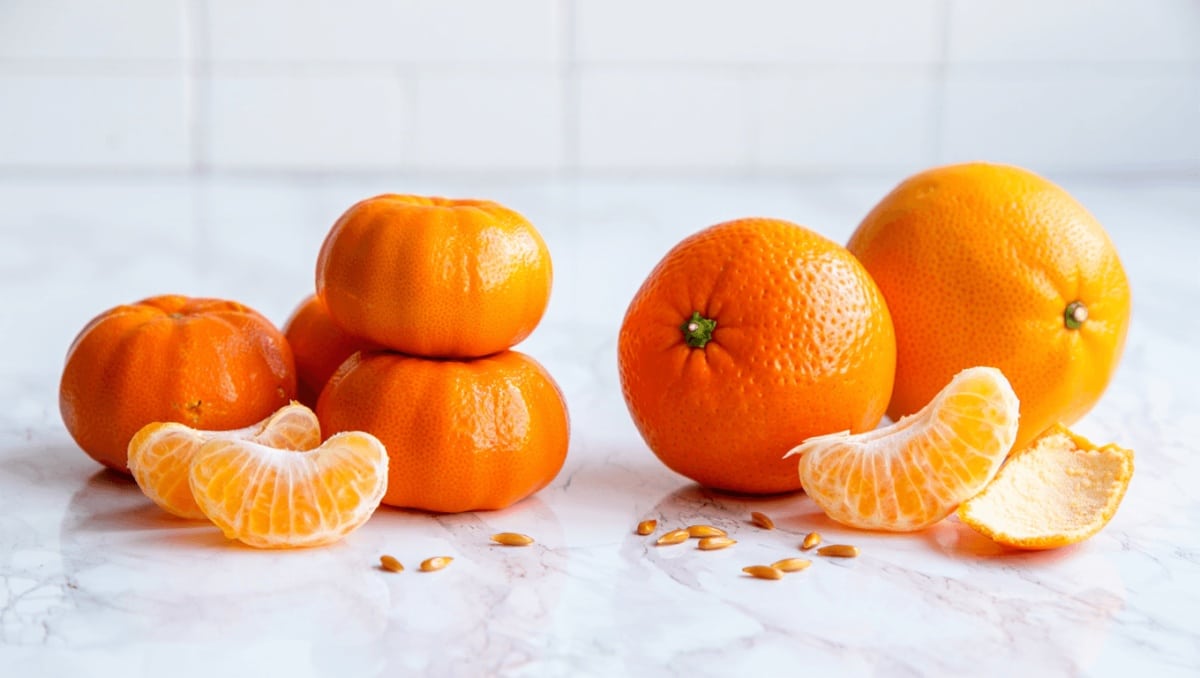
Look and feel separate the two quickly. Mandarins are typically smaller and a bit squashed at the poles. Their rind is thin and loosens easily from the segments, making them a popular grab-and-go option. Oranges are usually rounder with a tighter, thicker skin that can be more stubborn to peel—yet they slice and juice cleanly.
Flavor and use
Mandarins generally deliver a softer, sweeter taste with lower acidity; that gentler profile often appeals to children and anyone who dislikes tartness. Oranges tend to balance sweet and tart, which is why they’re a go-to for both fresh eating and juicing: the sharper edge brightens drinks and recipes in ways mandarin flesh usually does not.
- Mandarins: Best for quick snacking, fruit salads, and recipes where a delicate sweetness is preferred.
- Oranges: Better for juicing, marmalades and dishes that benefit from a more pronounced citrus bite.
Nutrition: similar benefits, subtle differences
Both fruits are nutrient-rich and especially known for their high levels of Vitamin C, which supports immune function, iron absorption and skin health. A single serving of either fruit typically supplies a substantial portion of the daily vitamin C requirement.
Beyond vitamin C, mandarins and oranges both provide fiber and various plant compounds that act as antioxidants. However, they emphasize slightly different micronutrients: mandarins often have more carotenoids (precursors to vitamin A), while oranges can deliver a touch more fiber and, in some varieties, marginally higher Vitamin C.
There is also evidence that the body may absorb certain nutrients differently between the two fruits. Some compounds in oranges appear to be somewhat more readily taken up by the body, whereas the specific carotenoids in mandarins contribute complementary antioxidant effects.
Practical points for everyday eating
- Convenience: Mandarins’ loose peel makes them ideal for lunchboxes and on-the-go snacks.
- Cooking & juicing: Choose oranges when you need more juice volume or a tangy edge in sauces and drinks.
- Storage: Both store well refrigerated; whole fruits keep longer than pre-cut or canned options.
- Packaged fruit: Watch for added syrup in some canned or jarred mandarins, which increases sugar content.
When to be cautious
Citrus is acidic, so eating large amounts can aggravate gastroesophageal reflux or heartburn in sensitive people. Those with reflux may find smaller portions or pairing fruit with other foods reduces discomfort.
Some citrus compounds can also influence how medications are metabolized. While grapefruit is the most notorious example, other citrus varieties may interact with drugs processed by certain liver enzymes. If you take prescriptions for blood pressure, cholesterol or mental health conditions, discuss frequent citrus consumption with your clinician or pharmacist.
For most people, however, the benefits outweigh the risks. Rotating different citrus—mandarins, oranges and others—adds variety to the diet and lets you enjoy each fruit’s particular strengths.
In short: pick mandarins for ease and gentle sweetness; choose oranges for juicing power and a brighter flavor. Including both across meals is a simple way to boost vitamin intake and keep snacks interesting.