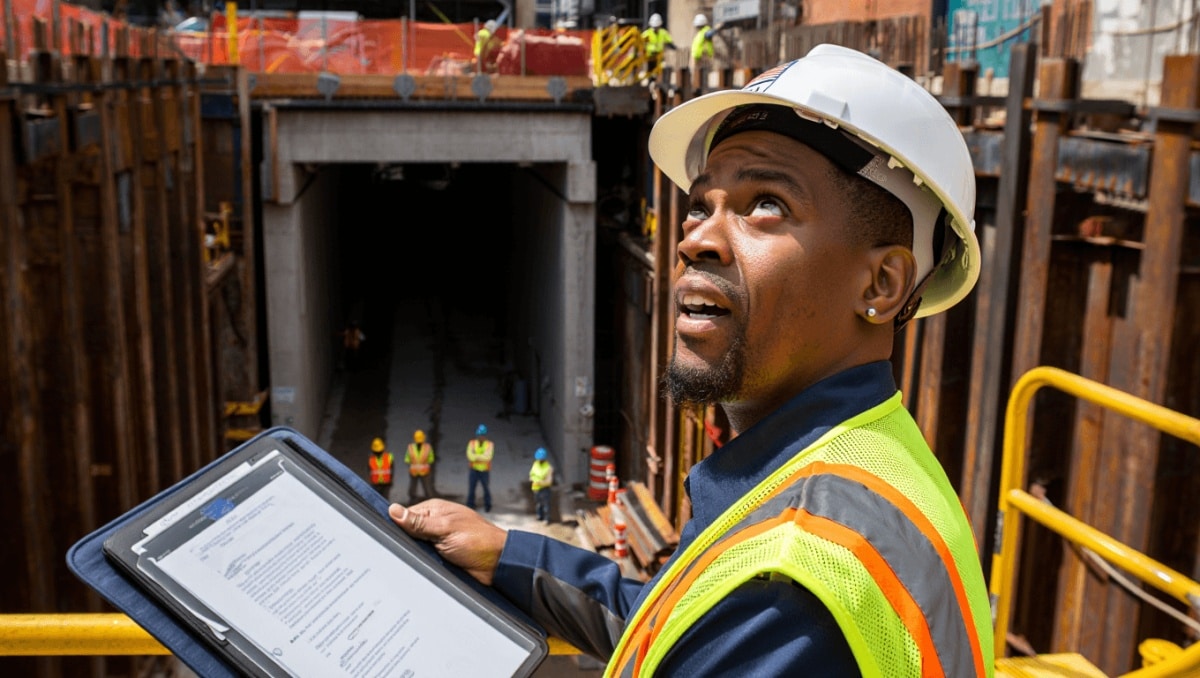
The U.S. Department of Transportation has agreed to restart federal reimbursements for construction on Manhattan’s long-stalled subway expansion, ending a review that had frozen payments tied to questions about diversity and contracting practices. The decision restores federal support for a project that will extend service into parts of the Upper East Side and Harlem and signals a temporary truce in a broader fight over how Washington applies diversity, equity and inclusion standards to federal grants.
In a federal court filing on Thursday, the Department of Transportation said it completed its review of the Second Avenue subway project and will resume reimbursing New York transit officials for eligible construction costs. The agency framed the move as a protection of taxpayer dollars from programs it described as constitutionally problematic.
MTA CEO Janno Lieber welcomed the reversal, saying the end of the funding pause removes an obstacle to finishing stations farther north on Manhattan’s east side and extending service into neighborhoods that have long lacked nearby subway access. He criticized the months-long hold as an avoidable drain on public resources and said the agency had been following the government’s new requirements for contracting with minority- and women-owned firms.
Boxing champions ditch long runs for high-intensity training: new era in fight prep
Czech nationals among victims of Pinedale-area crash: two confirmed dead
Why this matters now
The restart affects daily commuters and people in communities that stand to gain new transit options, but it also has wider significance. The dispute centers on whether federal offices can condition grants on particular equity-based contracting practices — an issue the current administration has flagged as a constitutional concern and has used to pause or threaten funding for multiple major projects.
That broader tug-of-war has already played out in the region: federal officials briefly tried to block funding for the multibillion-dollar rail tunnel under the Hudson and moved against New York’s congestion pricing plan. In both cases, judges ordered federal agencies to proceed or found that they lacked unilateral authority to withdraw prior approvals.
The Second Avenue project itself had about $60 million withheld while the department conducted its review. The full build is expected to cost roughly $7.7 billion, with the federal government covering about $3.4 billion of that total.
- Project: Second Avenue subway extension northward along Manhattan’s Upper East Side
- Amount temporarily withheld: ~ $60 million
- Total estimated cost: $7.7 billion
- Federal share: Approximately $3.4 billion
- Immediate effect: Federal reimbursements to the MTA will resume after USDOT completed its review
State and local officials have argued they complied with the administration’s contracting guidance and said the review amounted to an arbitrary delay. Federal officials, however, maintain their actions are meant to ensure that taxpayer funds do not support policies they consider unconstitutional.
Legal and political fights over federal oversight and the role of equity criteria in procurement are likely to continue. For now, construction can move forward with federal reimbursement restored, but the episode underscores how new federal policy priorities can quickly affect large infrastructure projects and local service timelines.
What to watch next: whether project invoices are paid promptly, whether the pause leaves any lingering scheduling or cost impacts, and whether any additional litigation or policy guidance alters how diversity and contracting rules are applied to federally funded transit work.