Show summary Hide summary
- Where the team stands now
- Inside the ballpark: attendance and atmosphere
- Recent sequence that captured a season in microcosm
- Players who could be moved before the deadline
- The Trout question and the franchise’s crossroads
- Management and the future of the front office
- What this means for fans and the coming months
The Los Angeles Angels sit near the bottom of the majors as the trade deadline approaches, and growing frustration from the stands has made their outlook a live story for fans and front-office watchers alike. With a deep roster hole, mounting losses and questions about the club’s leadership, what happens now will shape whether a multi-year rebuild is inevitable or a last-ditch overhaul is attempted.
This season’s poor output is no isolated slump: the Angels enter the summer with the worst record in baseball and a league-worst **run differential** that underscores problems on both sides of the ball. That on-field slide has amplified criticism of ownership and fueled talk of roster turnover, while long postseason droughts have left supporters increasingly disillusioned.
Where the team stands now
Los Angeles has not made the playoffs since 2014 and has not won a postseason game since 2009, milestones that have drifted further into the rearview. Last offseason’s roster decisions — notably the expensive, ill-fitting long-term deal for Anthony Rendon and the decision not to move **Shohei Ohtani** at last year’s deadline — are now viewed by many analysts as missed opportunities that limited the club’s ability to reset.
Boxing champions ditch long runs for high-intensity training: new era in fight prep
Czech nationals among victims of Pinedale-area crash: two confirmed dead
More recent results have deepened the crisis. The Angels have been outscored by 69 runs so far this year, the largest negative differential in MLB, and losses have piled up quickly. A stretch in which they lost nine of 10 games heading into a home series against the Texas Rangers exemplified their inconsistency: a dramatic walk-off one night was followed by a 14-run concession and extra-inning defeats the next two days.
Inside the ballpark: attendance and atmosphere
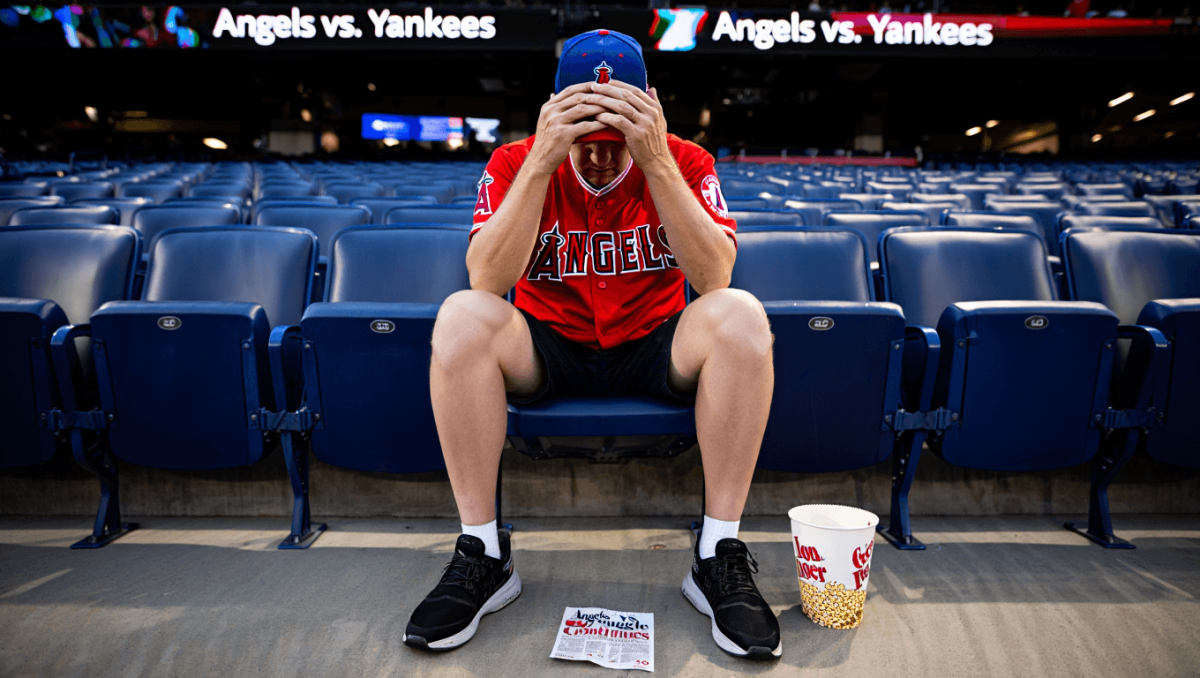
Angel Stadium now often feels quieter than it once did, with visiting fans sometimes dominating the noise, particularly later in the season when local playoff hopes have disappeared. A summer game against Chicago last year felt more like a road crowd, illustrating how prolonged mediocrity has dulled home-field enthusiasm.
Supporter unrest has spilled into overt criticism of ownership, with segments of the crowd calling for a sale of the club. That public display of dissatisfaction raises the stakes for executives and increases pressure on the front office to produce a credible plan before the offseason.
Recent sequence that captured a season in microcosm
The Angels’ week-to-week volatility was on full display in a recent series against Oakland. Entering the ninth inning of one game, the club had not been hit, only to see an opposing batter break up the no-hitter and then lose on a walk-off home run two batters later. The emotional high of that unlikely victory faded quickly when the pitching staff allowed a blowout the following day and then surrendered an extra-inning lead after a routine defense play went awry.
Those moments highlight both the occasional flashes of resilience and the persistent instability that have defined this season — and complicated any straightforward plan for moving forward.
Players who could be moved before the deadline
- Adam Frazier — second base; a veteran presence whose recent miscues and surplus status make him a candidate in trade talks
- Yoán Moncada — third base; a player with upside who could draw interest
- Josh Lowe and Jorge Soler — outfielders who might be trimmed to replenish the farm system
- Travis d’Arnaud — catcher; veteran depth likely to be considered movable
- Yusei Kikuchi, Reid Detmers — left-handed starters who could be tradable assets
- Kirby Yates — right-handed reliever with potential value on the market
Trading any of these pieces would signal that the club is prioritizing a rebuild, while retaining them would suggest one more attempt to compete around a core that has struggled to deliver.
The Trout question and the franchise’s crossroads
The organization also faces a human and strategic dilemma centered on **Mike Trout**. Entering his 16th season, Trout — an 11-time All-Star — turns 35 in August and is increasingly viewed through the prism of durability and declining impact. He has struggled to reach the superstar heights of his peak years and is playing fewer games due to recurring injuries; through 50 games this season he is batting .233 with 12 home runs and 25 RBIs.
Front-office leaders must decide how much to invest in returning Trout to contention versus accelerating a youth movement that would accept short-term losses for long-term gain. That decision will reverberate through the roster, payroll and fan relations.
Management and the future of the front office
First-year manager Kurt Suzuki has inherited a troubled clubhouse, and general manager Perry Minasian’s position appears vulnerable if results don’t improve. Ownership under Arte Moreno faces increased public pressure to outline a clear strategy — rebuild, retool or attempt to buy again with significant spending — and the choices made now will determine the club’s trajectory for years.
There is no simple remedy. The club had a window to reshape the roster in 2023 and largely passed on an aggressive reset; that inaction has left the current squad thin and the organization with fewer quick fixes available at the deadline.
What this means for fans and the coming months
The most immediate consequence is a likely roster shake-up before the trade deadline, with veterans moved to acquire prospects or payroll relief. For season-ticket holders and casual observers, the next steps will reveal whether ownership and the front office are willing to accept a painful but necessary rebuild or double down on attempting to patch the roster for another short-term push.
- Short-term: Expect active trade negotiations and a continued spotlight on attendance and fan morale.
- Medium-term: A reset would focus on prospect development and payroll flexibility; a stopgap approach risks repeating recent losing seasons.
- Long-term: The club’s decisions this summer will shape its competitiveness for the next half-decade, especially regarding Trout’s remaining prime years and the depth of the farm system.
The Angels now face a classic organizational pivot: accept a bitter rebuilding process and aim to construct a sustainable contender, or attempt cosmetic fixes that could preserve short-term interest but prolong mediocrity. Ownership and the front office have little time to respond, and whatever path they select will be judged not only by wins and losses but by whether it restores faith in a once-proud franchise.