
Show summary Hide summary
The Justice Department has informed defense lawyers it will seek the death penalty for the man charged in a deadly shooting outside the Capital Jewish Museum in Washington, D.C., a move that raises the stakes in a case prosecutors describe as a premeditated, politically motivated attack. The decision signals heightened federal scrutiny of violence tied to ideological and religious bias at a time of intense debate over domestic extremism.
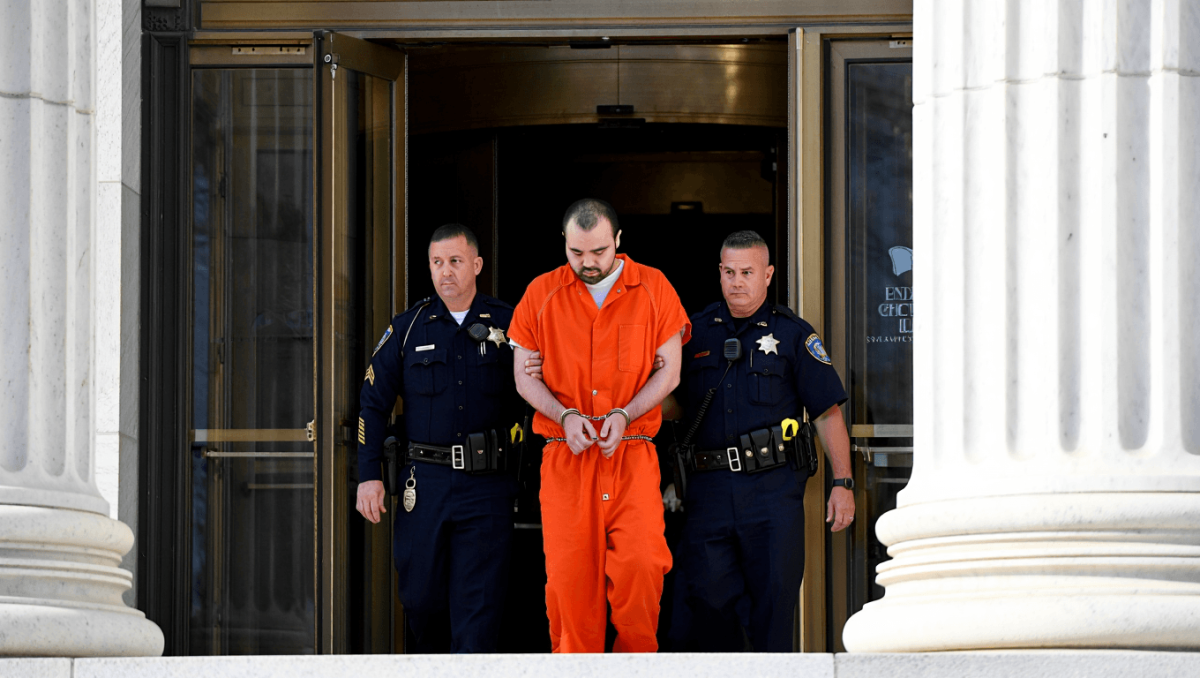
Federal prosecutors say Elias Rodriguez opened fire as attendees were leaving an event at the museum last May, killing two people and wounding others. Authorities have indicted him on murder and federal hate crime counts and included special findings that permit capital punishment.
What prosecutors allege
Boxing champions ditch long runs for high-intensity training: new era in fight prep
Czech nationals among victims of Pinedale-area crash: two confirmed dead
According to court papers, investigators portray the shooting as planned rather than spontaneous. Prosecutors say Rodriguez traveled from Chicago to the Washington area with a handgun in checked baggage and spent time outside the museum before approaching a small group and firing.
- Date and place: May 21, outside an event at the Capital Jewish Museum near the Israeli Embassy in D.C.
- Victims: Yaron Lischinsky, 30, an Israeli citizen working in the U.S., and Sarah Milgrim, 26, a U.S. citizen; the couple had been attending the same event and were reportedly about to become engaged.
- Alleged motive: Prosecutors assert Rodriguez targeted the group because of their perceived Jewish identity and later expressed support for Palestine and Gaza to law enforcement.
- Behavior at the scene: Video and witness accounts shown to investigators say the suspect fired multiple rounds, appeared to reload, and then entered the museum claiming responsibility before being detained.
Legal burden and community impact
Charging someone with a hate crime that results in death requires prosecutors to demonstrate the attacker was motivated by bias against a protected group. Adding the possibility of the death penalty introduces a separate set of legal hurdles and review processes under federal capital-case rules.
U.S. Attorney Jeanine Pirro framed the Justice Department’s move as a response to politically motivated violence in the nation’s capital, telling reporters officials would hold accountable anybody who carries out such attacks in Washington. Her office says the suspect deliberately sought an audience associated with young Jewish professionals to increase the reach of the violence.
For survivors, relatives and the Jewish community, the indictment and the death-penalty notice underscore the long-term consequences of the attack: criminal trials that can stretch for years, complex appeals if a death sentence is imposed, and renewed conversations about safety at cultural institutions and diplomatic sites.
Next steps in the case
Defense lawyers met with Justice Department representatives weeks before the death-penalty filing to present materials they believe might weigh against seeking capital punishment. The court docket shows Rodriguez’s next scheduled appearance is June 30; no trial date has been set.
Federal capital prosecutions involve additional procedural stages, including special findings, potential penalty-phase evidence, and heightened appellate review — all of which can extend the timeline and draw significant public attention.
As the case proceeds, officials will need to establish not only the facts of the shooting but also the motive element required for the federal hate-crime enhancement. That element will be central to both the criminal case and any decision by prosecutors about pursuing the ultimate punishment allowed under federal law.