Show summary Hide summary
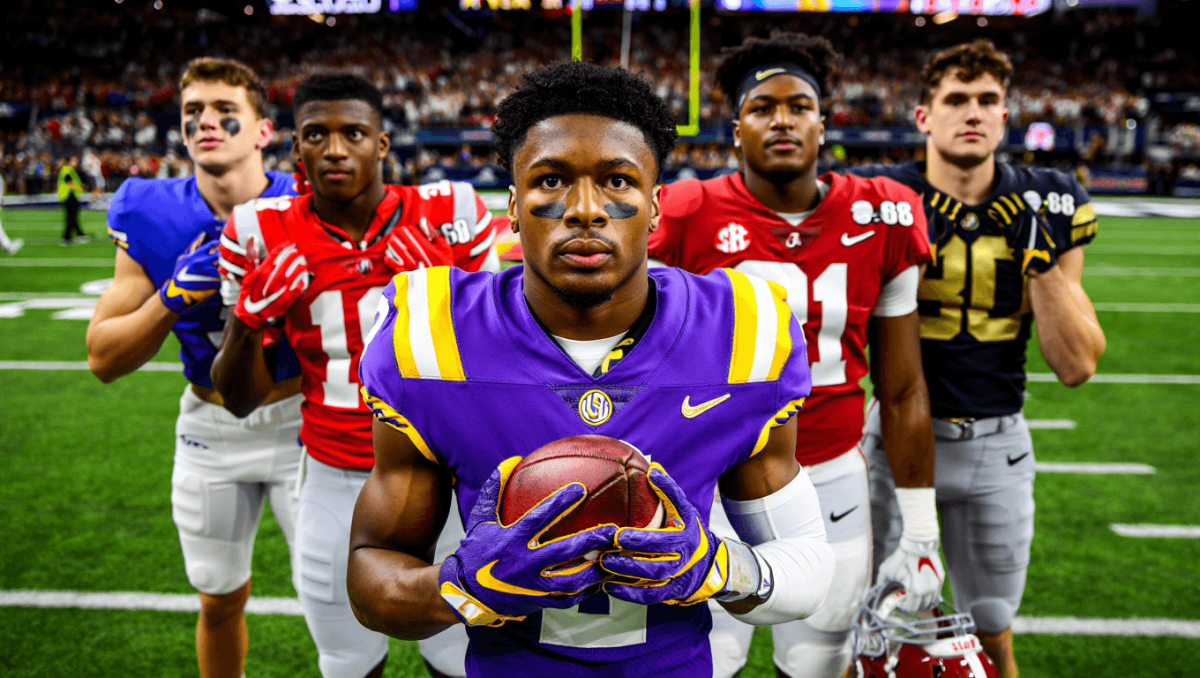
LSU’s offseason overhaul has made it the clearest candidate to climb the national standings this fall: a new coach, a massive influx of talent through recruiting and the transfer portal, and a veteran quarterback all combine to reshape expectations for the Tigers and the SEC. What happens in Baton Rouge this season could shift College Football Playoff projections and alter the balance of power across the conference.
LSU: rapid retooling, immediate expectations
After parting ways with Brian Kelly, LSU made a headline-grabbing move to hire Lane Kiffin, a change that came with a significant financial commitment and the expectation of quick results. The program also invested heavily in players: 247Sports rated its incoming high-school class and transfer portal haul at the top of the country, signaling a short-term win-now approach.
Boxing champions ditch long runs for high-intensity training: new era in fight prep
Czech nationals among victims of Pinedale-area crash: two confirmed dead
At quarterback the Tigers added Sam Leavitt from Arizona State — a portal acquisition with starting experience who should provide an immediate upgrade under center. Combined with the influx of top-level recruits and transfers, LSU’s depth and playmaking ability look markedly improved compared with recent seasons.
Why that matters: if LSU converts talent into cohesion quickly, it won’t just be chasing a return to the College Football Playoff — it will force opponents across the SEC to adjust game plans and roster construction, accelerate national narrative shifts, and likely increase LSU’s national exposure and recruiting leverage.
- Coaching: New leadership under Kiffin aims to change culture and offensive identity.
- Talent: Top-ranked recruiting and portal classes widen the roster’s ceiling.
- Quarterback: An experienced signal-caller reduces the turnover risk common with major rebuilds.
- Stakes: A strong season would restore LSU to playoff contention and reshape the SEC hierarchy.
Auburn: a quarterback brought the coach along
Auburn enters the season under Alex Golesh, who left South Florida after three seasons to take the program’s reins. The most consequential piece of that move may be the quarterback who followed him: Byrum Brown, a proven dual-threat signal-caller who brings rare production and experience to a program that has struggled to find consistent offense.
Brown’s numbers over the previous three seasons — roughly 7,300 passing yards, more than 2,000 rushing yards and 84 total touchdowns — reflect the sort of playmaking Auburn has lacked. With Golesh implementing an offense tailored around Brown’s strengths, the expectation is at least a return to more consistent winning and a likely first season with eight or more victories since 2019.
The key questions for Auburn are whether the supporting cast and the defense can keep pace and whether Golesh can translate success from the Group of Five level into consistent SEC results.
Other teams to monitor
The landscape beyond LSU and Auburn contains programs that, for different reasons, could make significant strides this season. The following snapshot highlights candidates whose trajectories and circumstances suggest a potential leap.
| Team | Primary upgrade | Why it matters |
|---|---|---|
| UCLA | Roster continuity and targeted portal additions | Stable coaching and an influx of experienced transfers could translate to improved consistency in close games. |
| Oregon | High-end recruiting and offensive continuity | Retention of playmakers and a steady system keep the Ducks among the national contenders; a breakout season would alter playoff math. |
| Texas | Depth across skill positions | Texas’s talent pool gives it the ceiling to leap into contention if it solves turnover and defensive issues. |
| Penn State | Defensive experience and quarterback play | A senior-laden defense plus a settled quarterback could push the Nittany Lions back into the top-tier conversation. |
What to watch early
Non-conference results and the first two SEC/Power Five matchups will be revealing. Teams that have retooled via the transfer portal or a coaching change tend to show growing pains early; how quickly those issues are resolved often determines whether a campaign is a one-year spike or the start of sustained progress.
For fans and analysts, the stakes are concrete: playoff access, recruiting momentum and television narratives all hinge on whether these programs can turn offseason moves into on-field wins. This season will offer a clearer answer to which rebuilds are genuine transformations and which were only high-profile experiments.