Show summary Hide summary
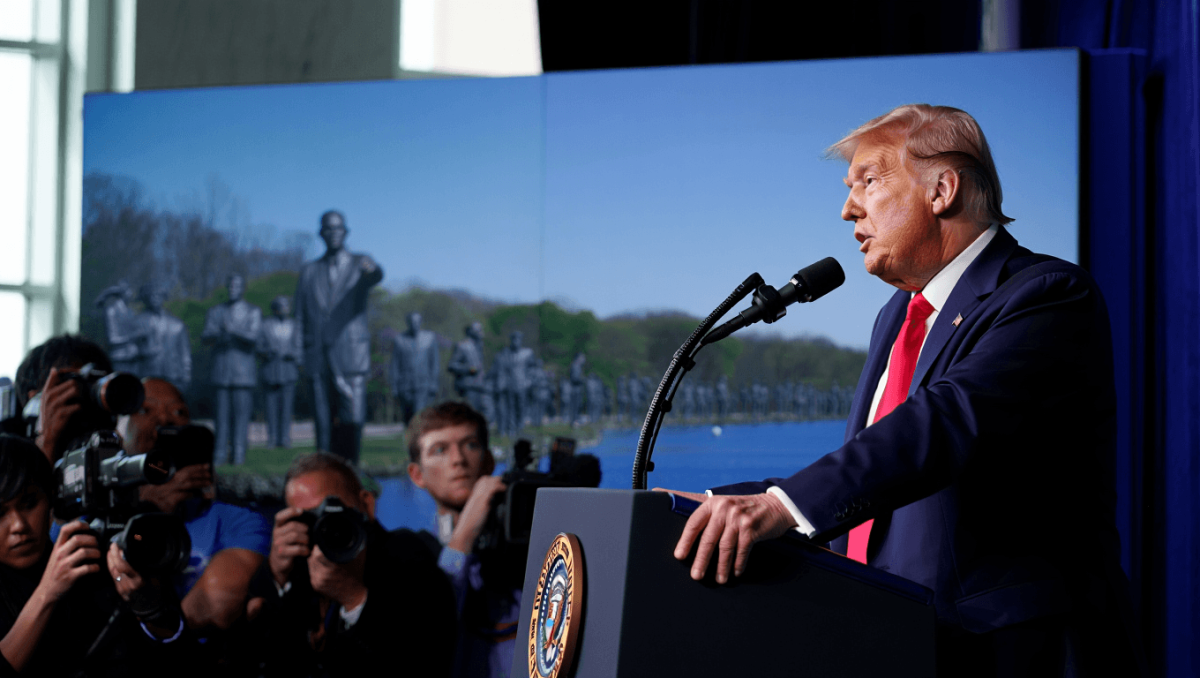
President Trump announced plans this week to create a large outdoor statue exhibition on the Potomac’s edge, setting up a potential clash over the strict review process that governs Washington’s memorial landscape and raising immediate questions about access, funding and local use of public parkland.
In a social post on Friday, Trump said the project — billed as the National Garden of American Heroes — would occupy a stretch of West Potomac Park near the National Mall. The site sits amid major memorials and is frequently used by residents for running, team sports and informal recreation, making the proposal instantly controversial.
Administrations have long debated how and where to add monuments in the capital. What makes this move notable now is not only the high-profile location but the president’s push to advance it quickly, after earlier efforts to formalize a list of honorees and secure federal funding.
Boxing champions ditch long runs for high-intensity training: new era in fight prep
Czech nationals among victims of Pinedale-area crash: two confirmed dead
What the plan would do — and what’s unresolved
Trump has said the garden would feature hundreds of statues honoring Americans he describes as culturally and historically important. An executive order issued late in his previous term named a large group of individuals to be commemorated, and Congress has since set aside money the administration says could be used to buy sculptures.
But those steps do not automatically clear the way to build on or near the Mall. Federal law requires a series of reviews and approvals intended to preserve sightlines, protect historic character and coordinate design across the capital’s ceremonial core. Projects commonly pass through multiple agencies and commissions before moving forward.
- Approvals: Design, planning and historic-preservation panels typically must sign off before construction begins.
- Funding: Congressional allocation helps, but may not cover the full cost of fabrication, installation and long-term maintenance.
- Public use: West Potomac Park includes sports fields and trails that could be affected during construction.
- Legal risk: Previous attempts to alter public space in D.C. have prompted lawsuits and delays.
Interior Department officials said they are advancing elements of the project, including site examinations in the area between the Lincoln Memorial and Arlington National Cemetery. Survey markers and temporary fencing have appeared on the grass, signaling early planning work but not final approvals or construction contracts.
The administration has also moved forward with other park and grounds initiatives in the city — most recently unveiling a plan to overhaul the public golf course in East Potomac Park into what it calls a championship-grade facility. Plans released by the department sketch a redesigned course but offer limited detail about how public access would be preserved.
Why this matters now
Changes to the capital’s core often take years. Design disagreements, community objections and lawsuits can dramatically stretch timetables: a memorial approved by Congress might still require decades of work before completion. For residents and visitors, the immediate stakes are practical — whether common green spaces will be closed or rebuilt — and symbolic, as battles over monuments reflect broader debates about history, memory and who is honored in public places.
Legal challenges are already a familiar consequence for projects of this scale. Advocates for strict review say that process protects the Mall’s character; proponents of the garden argue the site deserves new monuments that reflect a different vision of national identity. How agencies interpret existing approvals and whether they will issue new ones will shape the next steps.
For now, the key items to watch are permit filings, the text of any contracts for statue procurement, and announcements of formal public-review meetings. Those milestones will determine whether the proposal becomes a staged, lengthy planning exercise or a near-term construction project that redraws part of the city’s most regulated landscape.