Show summary Hide summary
As the NHL moves into the second round, the playoff picture tightens and several matchups now carry real upset potential — and real consequences for the Stanley Cup race. With the field narrowed to eight teams, the next two weeks could reshape contenders and hand unexpected momentum to clubs that peak at the right time.
All four division winners advanced from the opening round, underscoring the regular season order, but a handful of lower-seeded clubs have already flipped expectations by knocking off higher-ranked opponents. That mix of stability and surprise is exactly why these matchups matter: seeding no longer guarantees comfort, and small weaknesses can decide long series.
Who has the best shot at an upset?
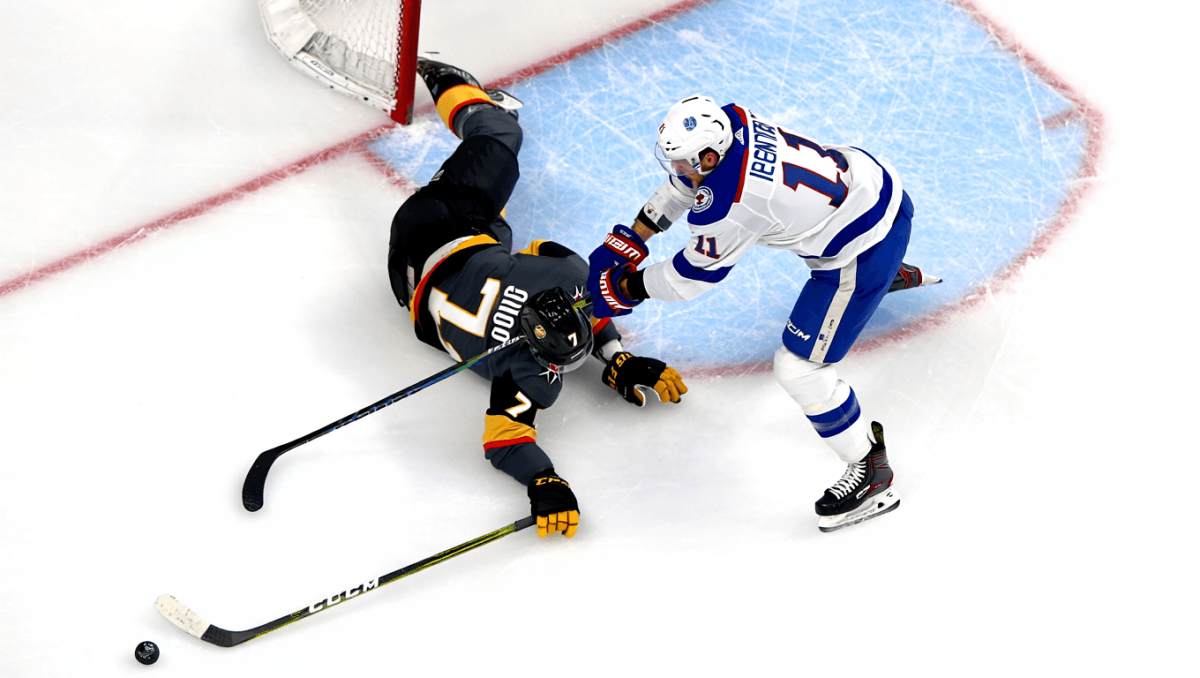
The Anaheim Ducks look like the most dangerous underdog. Their mix of pace and physicality caused problems for goaltenders in the first round, and Vegas’s netminding has shown vulnerability at times. If the Ducks keep creating chances — especially on the power play — they can extend this series well beyond expectations.
Boxing champions ditch long runs for high-intensity training: new era in fight prep
Czech nationals among victims of Pinedale-area crash: two confirmed dead
Experience favors the Vegas Golden Knights, but veteran status won’t erase holes on defense or inconsistency in goal overnight. That gives Anaheim a clear pathway to steal games and force longer stretches of pressure.
At the other end of the upset spectrum, the Carolina Hurricanes opened their second-round meeting with a commanding win, quickly reminding why they finished atop the Eastern Conference. The Flyers earned praise for the first-round victory over their state rivals, yet Carolina’s depth and structure make a quick series likely.
Still, hockey is a game of shifts and momentum swings; a five-game finish seems the likeliest outcome, but a sweep would be premature to call.
Buffalo’s path is narrow but precarious
The Buffalo Sabres enter their next series as favorites, yet their margin for error is slim. Goaltending consistency remains a question mark, and their power play struggled early, converting too rarely in key moments. Opponents advancing from the Tampa Bay–Montreal pairing will face a refreshed Buffalo team, but neither matchup promises an easy ride.
Fatigue could work in Buffalo’s favor if their opponent comes out of a demanding seven-game battle, but special teams and netminding will ultimately determine how far they go.
Colorado vs. Minnesota: star power and attrition
Perhaps the most compelling series pairs two high-octane rosters. The Colorado Avalanche bring the league’s top offense into a matchup that will be decided by star matchups and depth scoring. Opposite them, the Minnesota Wild counter with an elite skill group and blue-line play that can frustrate even the most dynamic attackers.
The duel between top defensemen — two of the game’s most creative, puck-moving blueliners — will shape transition play and power-play chances. Colorado’s sweep of the first round showed they can defend when asked, but Minnesota’s offensive weapons pose a far sterner test.
Injuries to key Minnesota pieces have reduced the margin for error; if those absences linger, Colorado’s firepower should be enough to prevail.
- Anaheim vs. Vegas: Ducks’ speed and special teams vs. Golden Knights’ experience; goaltending will be decisive.
- Carolina vs. Philadelphia: Hurricanes’ depth and structure expected to control tempo; Flyers need timely scoring to stay alive.
- Buffalo vs. (Tampa Bay/Montreal): Sabres favored but loose special teams and inconsistent goaltending keep this one close.
- Colorado vs. Minnesota: Star-driven matchup where defense and health status of the Wild could swing the series.
What’s at stake beyond the next round is clear: teams that eliminate favored opponents gain not only a path to the conference finals but a psychological edge that carries into summer. For contenders, these games are less about a single result and more about building momentum, protecting goaltending stability, and tightening special teams.
Expect fast, physical hockey, tighter rotations on defense, and goaltending performances to loom larger than usual — because in playoff hockey, small margins decide long runs. The next two rounds will reveal which clubs can convert short bursts of dominance into sustained success on the way to the Cup.