Show summary Hide summary
Jarrett Allen’s third-quarter surge rescued the Cleveland Cavaliers and shifted momentum in a series that had been bone-dry offensively. With one dominant stretch, Cleveland turned a sloppy opening act into a 114-102 victory and a clearer path into the Eastern Conference semifinals.
Allen takes control
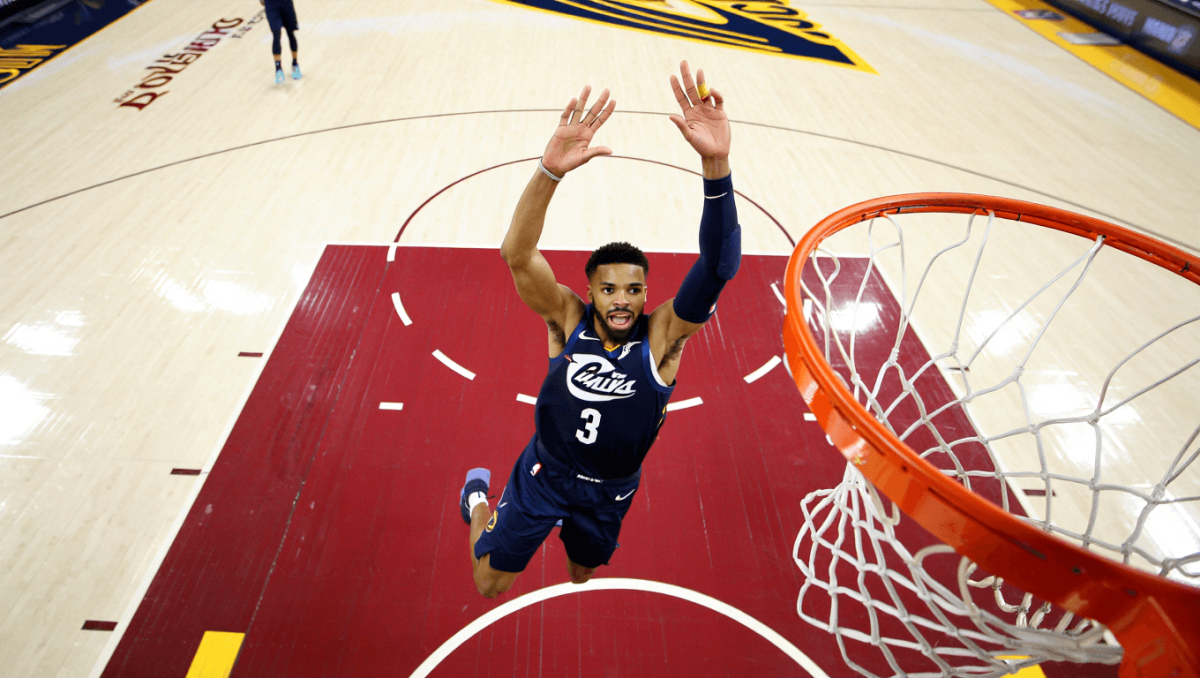
Cleveland’s center seized the moment, pouring in 14 points and hauling down 10 rebounds in the third quarter as the Cavaliers ripped off a decisive 38-19 run. Allen’s interior presence changed the tone: the team attacked the rim, punished the glass and forced the Raptors out of rhythm.
Boxing champions ditch long runs for high-intensity training: new era in fight prep
Czech nationals among victims of Pinedale-area crash: two confirmed dead
The win was notable not just for the scoring swing but for how the Cavs imposed themselves physically. They outrebounded Toronto 40-33 overall and dominated the offensive glass, converting second-chance opportunities at a 20-7 margin. That aggression also produced free-throw volume — Cleveland attempted 37 foul shots — giving them a steady, reliable path to points.
Role players and ball security
James Harden wasn’t spectacular on the scoreboard, but he delivered when it mattered. After a quiet start, Harden began attacking late in the second quarter, finishing with 13 free-throw attempts and helping to stabilize Cleveland’s offense when pressure rose. Crucially, he protected the ball, committing just two turnovers and limiting transition chances for a Raptors team that thrives in open court.
Overall, the Cavs cut back on isolation looks and low-percentage outside shots, opting instead for sustained rim pressure and cleaner ball movement — a shift that produced clearer looks and better outcomes.
- Third-quarter swing: 38-19 run that decided the game
- Rebounding edge: 40-33 overall, 20-7 on the offensive glass
- Free-throw impact: Cleveland attempted 37 free throws
- Harden’s control: 13 FTs, just 2 turnovers
Why this matters now
The series win gives Cleveland a clearer sense of identity heading into the semifinals: when they play tougher, more physical basketball, they can outmuscle opponents and generate extra possessions. That matters because their next matchup — against Detroit — will present a different test, one with fewer defensive intimidators but more room to exploit seams.
Donovan Mitchell’s role will be pivotal. If he can consistently attack the paint and punish the doubles Detroit sends, the Cavs’ offensive upside becomes much harder to counter. Without that, questions about Cleveland’s ceiling in deep playoff rounds will linger.
Matchup outlook
The Pistons leaned heavily on Cade Cunningham for offense in their series, and Cleveland has personnel capable of slowing one-on-one scoring. Role defenders who can bother Cunningham and help on drives will shape the series outcome.
Dean Wade, who has shown the ability to bother elite guards in regular-season matchups, will be a player to watch. If Wade and the Cavs’ supporting cast can limit Cunningham’s comfort, Donovan Mitchell may finally get the clearer path he needs to push Cleveland toward its first Conference Finals appearance in years.
The first round was far from pretty for Cleveland, but the way they closed this game — with physicality, offensive rebounding and controlled possessions — suggests a team that can adjust. How well Mitchell responds and whether the Cavs sustain that interior pressure will determine how deep they can go.