Two high-profile firings this week — the Boston Red Sox dismissing Alex Cora and the Philadelphia Phillies parting ways with Rob Thomson — have accelerated a midseason shake-up across Major League Baseball. With one club already publicly backing its manager, several more dugouts could see leadership changes in the coming weeks, and that matters for playoff races, roster plans and fan expectations.
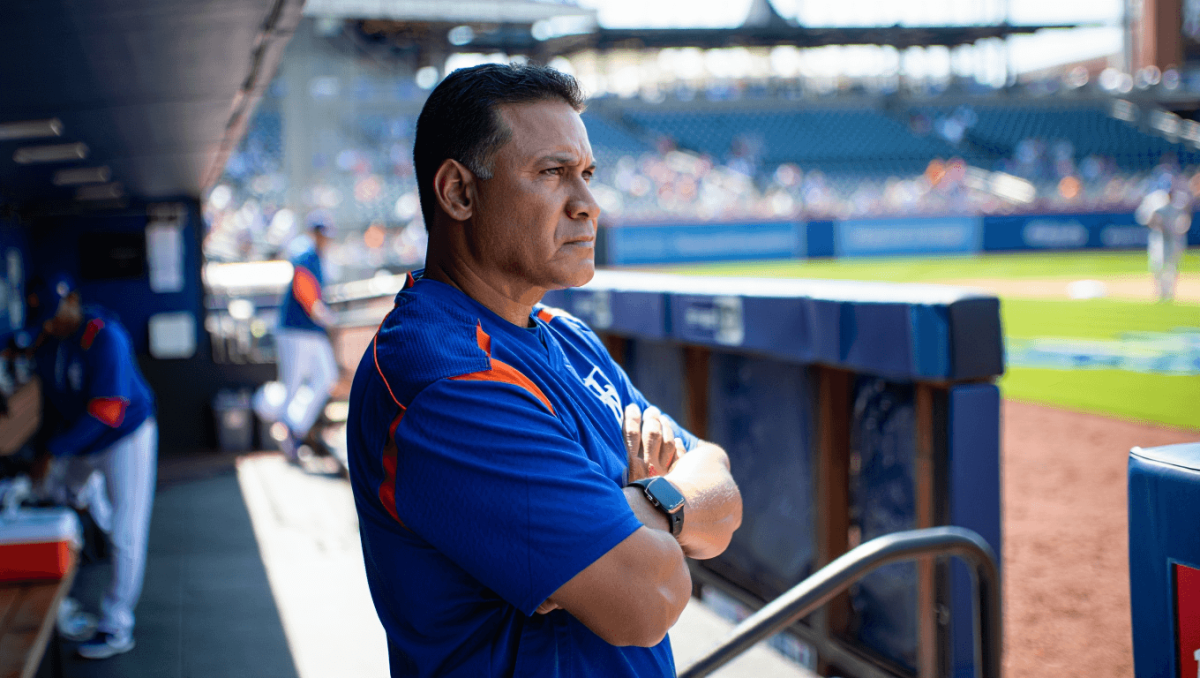
New York Mets president David Stearns recently offered a public reassurance to manager Carlos Mendoza, telling reporters the club sees the current issues as roster- and performance-related rather than a failure of leadership. He also said the organization is not looking to make an immediate move in the dugout.
That kind of open support buys a manager time, but it does not guarantee stability. Baseball front offices often issue firm-sounding statements that end up serving as a temporary reprieve rather than a long-term endorsement. Frustration can mount quickly if disappointing results continue or injuries compound roster problems.
Boxing champions ditch long runs for high-intensity training: new era in fight prep
Czech nationals among victims of Pinedale-area crash: two confirmed dead
How to tell when a manager is on the hot seat
- Poor results relative to payroll and preseason expectations — ownership usually expects a return on investment, and falling well short raises pressure.
- Repeated lineup or bullpen failures — persistent tactical issues that cost games tend to be blamed on the manager.
- Public distancing by the front office — statements that shift blame to players or injuries can be a precursor to change.
- Fan and media pressure — sustained negative coverage and attendance declines make decisions more urgent.
- Contract or organizational timing — clubs sometimes prefer a midseason reset to buy a fresh voice for the stretch run or to audition a replacement.
For the Mets, the situation is muddied by personnel availability. The roster has not been at full strength, making it harder to assess tactical choices separate from injuries. A clubhouse can look disjointed when key contributors are sidelined, yet front offices still expect results — a tension that often drives managerial turnover.
Even when a manager receives a public vote of support, the calendar moves quickly. A few more poor series or another high-profile collapse can push leadership back to the decision table. Conversely, a short hot streak or improved health among starters and relievers can buy enough momentum to carry a manager through the season.
What fans should watch next: upcoming stretches of the schedule against division rivals and weaker opponents often shape narratives. The next road trip or homestand will be scrutinized not just for wins and losses but for clear signs of tactical improvement, bullpen stabilization and clubhouse cohesion.
In short, the recent dismissals make one point plain: managerial changes are happening earlier and more frequently than many expected. For teams hovering near the expectations line, a few weeks of results will likely determine whether a manager keeps his job or becomes the next change in a quickly shifting season.