
Show summary Hide summary
Many familiar kitchen staples quietly influence blood cholesterol, and for people with heart-disease risk factors those effects add up fast. Knowing which everyday items can nudge bad cholesterol higher — and why — helps people make smarter choices without overhauling their entire diet.
At the center of the issue are two types of cholesterol with very different roles. Low-density lipoprotein (LDL) transports cholesterol to tissues and can accumulate in arteries, increasing cardiovascular risk. High-density lipoprotein (HDL) ferries excess cholesterol away from blood vessels toward the liver for disposal; higher HDL is generally protective.
Nutrition specialists stress context over fear. Dr. Uma Naidoo, a nutritional biologist, notes that some nutrient-dense foods contain cholesterol but still belong in a balanced diet when paired with other whole foods. The broader pattern of what you eat matters more than banning single items.
Boxing champions ditch long runs for high-intensity training: new era in fight prep
Czech nationals among victims of Pinedale-area crash: two confirmed dead
Surprising foods that can raise “bad” cholesterol
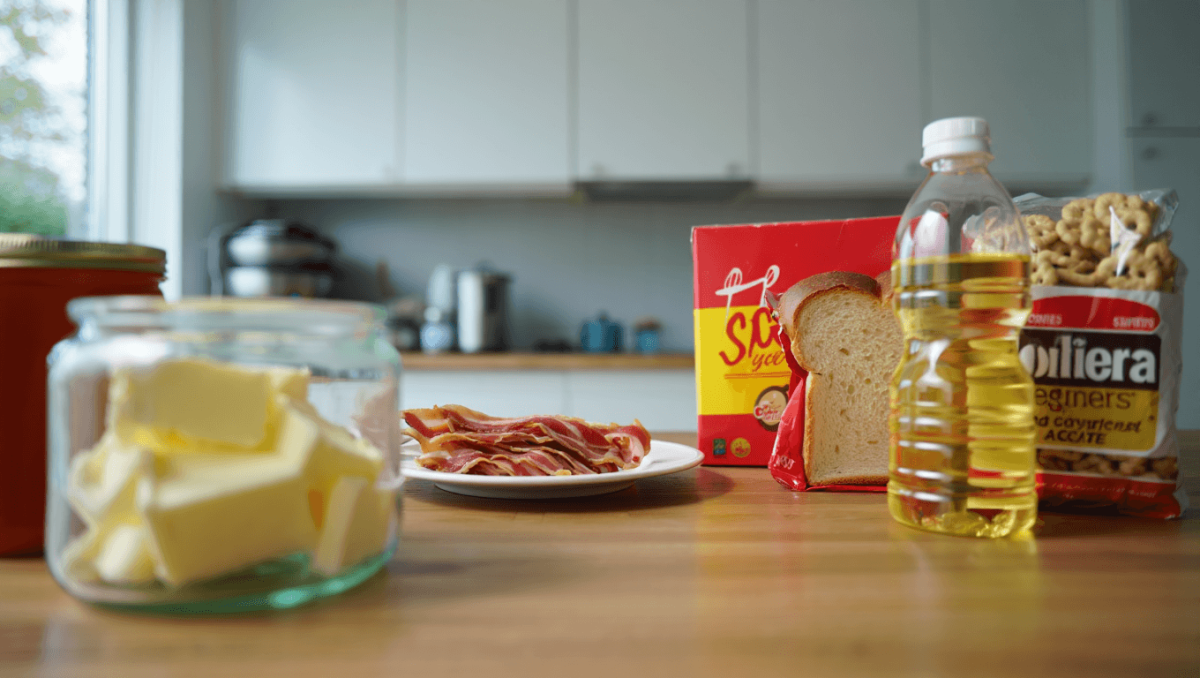
These items are common in many kitchens and lunchboxes, yet each can either raise LDL, push up triglycerides, or reduce HDL when consumed often.
- Unfiltered coffee. Brewing methods that skip a paper filter — such as French press, boiled coffee or espresso in large amounts — leave more cafestol and oily diterpenes in the cup. Research summarized by the Harvard T.H. Chan School of Public Health links these compounds to increased LDL levels because the chemicals interfere with the liver’s handling of cholesterol.
- Tropical oils. Coconut and palm oils are common in packaged snacks, some baked goods and energy bars. Their high share of saturated fat tends to raise LDL compared with oils higher in unsaturated fats. The American Heart Association and other bodies recommend limiting these oils when possible.
- Refined grains. Regularly eating white bread, plain pasta or polished white rice can elevate triglycerides and may shift the lipoprotein balance toward higher LDL and lower HDL — especially when those foods replace whole grains and fiber-rich options.
- Processed bars and packaged snacks. Many energy and protein bars trade whole-food ingredients for added sugars, tropical oil blends and other processed fats. The result can be a product that is calorie-dense and cholesterol-unfriendly despite marketing claims about protein or “natural” ingredients.
- Sugary drinks. Sweetened sodas and other sugar-sweetened beverages are strongly associated with worse lipid profiles. A large study in the Journal of the American Heart Association found regular consumers faced notably higher odds of elevated triglycerides and lower HDL — changes that raise cardiovascular risk over time.
Not every cholesterol-containing food is harmful. Fatty fish like salmon and shellfish contain dietary cholesterol but also provide omega-3s and other nutrients that can improve heart health when eaten within a balanced diet.
Simple, practical swaps
- Use a paper filter or switch to drip coffee to reduce cafestol exposure.
- Choose oils high in unsaturated fats — olive, canola, or sunflower — instead of coconut or palm oil.
- Prefer whole grains and legumes over refined white grains to protect triglyceride and HDL levels.
- Read ingredient lists on bars and snacks; look for minimal added sugar and avoid tropical oil blends when possible.
- Cut back on sugar-sweetened beverages and replace them with water, unsweetened tea, or sparkling water with a squeeze of citrus.
These adjustments — modest on their own — can meaningfully affect lipid levels when sustained. If you have high cholesterol, diabetes, or a family history of heart disease, ask your clinician about a lipid panel and tailored dietary guidance rather than relying on one-size-fits-all rules.
Nutrition science continues to refine which foods drive risk and which protect it. For now, focusing on whole foods, minimizing processed fats and added sugars, and viewing single foods in the context of an overall pattern remains the most reliable approach to keeping cholesterol in check.