Show summary Hide summary
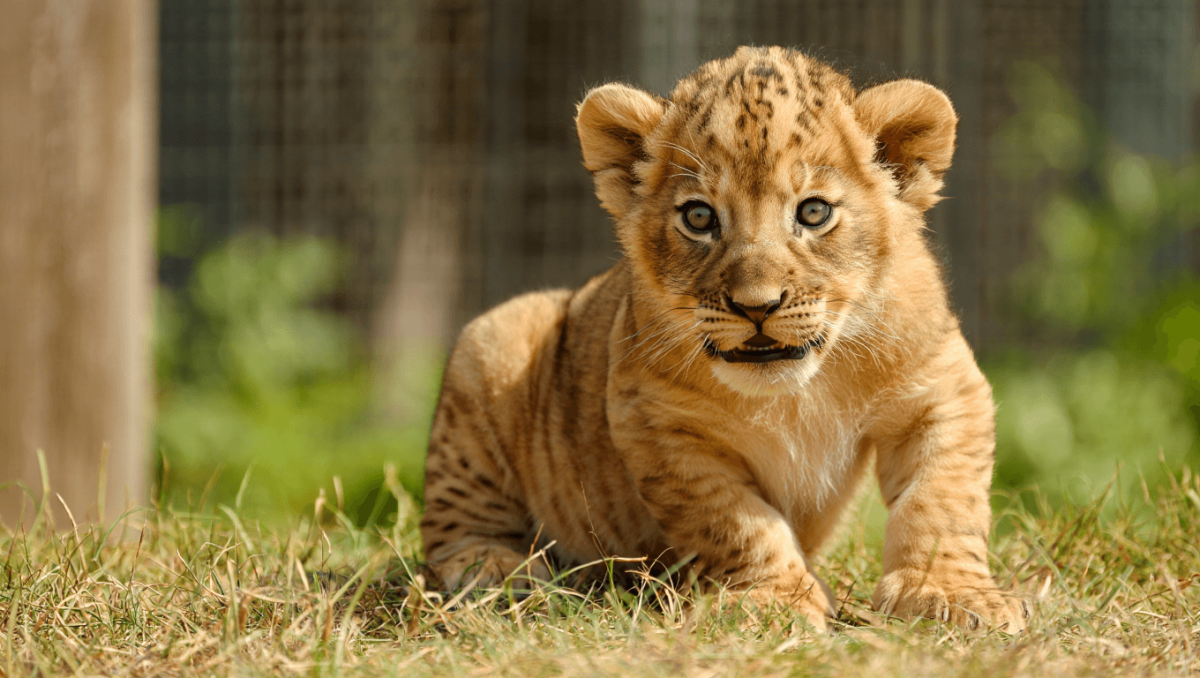
A new lion cub born at the Pittsburgh Zoo & Aquarium in early April remains off public view while keepers monitor its growth — but the zoo expects visitors to meet the youngster by late summer. The timing matters for families planning visits and for conservationists tracking the Association of Zoos & Aquariums’ breeding program.
When will the cub appear for visitors?
The cub arrived on April 5 and is currently being raised in a private maternity den. Zoo staff say the animal will be moved into the public lion habitat once keepers see steady improvement in strength and mobility, a precaution typical for big-cat births.
Boxing champions ditch long runs for high-intensity training: new era in fight prep
Czech nationals among victims of Pinedale-area crash: two confirmed dead
Until then, adult lions in the exhibit remain visible to guests. The zoo has not announced a firm public debut date but has indicated the move is likely to happen as the weather warms and the cub becomes more active.
Where is the family now and how are they doing?
The cub and its mother, lioness Scarlett, are being kept in a quiet area separate from the main viewing spaces so the pair can bond uninterrupted. Veterinary teams perform routine health checks to confirm normal nursing behavior and development.
Assistant Curator of Mammals Karen Vacco reported that the cub is meeting — and in some cases surpassing — expected milestones, and that Scarlett has been attentive and protective. Staff are continuing close monitoring rather than rushing the transition to the public habitat.
- Parents: Scarlett and Hondo (both about nine years old)
- Birth date: April 5, 2026
- Public debut: Expected in late summer, pending developmental milestones
- Typical newborn size: Lion cubs are commonly 2–3 pounds at birth and open their eyes within one to two weeks
- Previous births: Last cubs at the zoo were born in July 2020
Why this birth matters beyond Pittsburgh
The arrival is more than a local curiosity: it supports the AZA’s Lion Species Survival Plan, a coordinated effort to maintain healthy genetic diversity among lions in managed care. In the wild, lions face mounting pressures from habitat loss, human-wildlife conflict and declining prey populations, so successful breeding programs in accredited institutions are one piece of broader conservation work.
Raising cubs successfully in a controlled setting gives staff opportunities to refine care practices and contributes animals to long-term population management across accredited zoos.
Practical information for visitors
If you’re planning a trip to see the lions or other animals, note the zoo’s current admission rates: seasonal tickets from May 22 through Sept. 7 are listed between $31 and $36, while single-day tickets offered around May 21 were advertised in the $20–$24 range. Check the zoo’s updates for the most current pricing and the official announcement about the cub’s public debut.
The zoo has emphasized that any public viewing will follow the cub’s wellbeing first; exact timing will depend on demonstrated health and mobility rather than a fixed calendar date.
Expect more details and photographs to be released as caretakers feel confident the cub is ready to join the family on exhibit. For now, the nursery period gives the young animal the best start — and gives visitors something to look forward to later this summer.