Show summary Hide summary
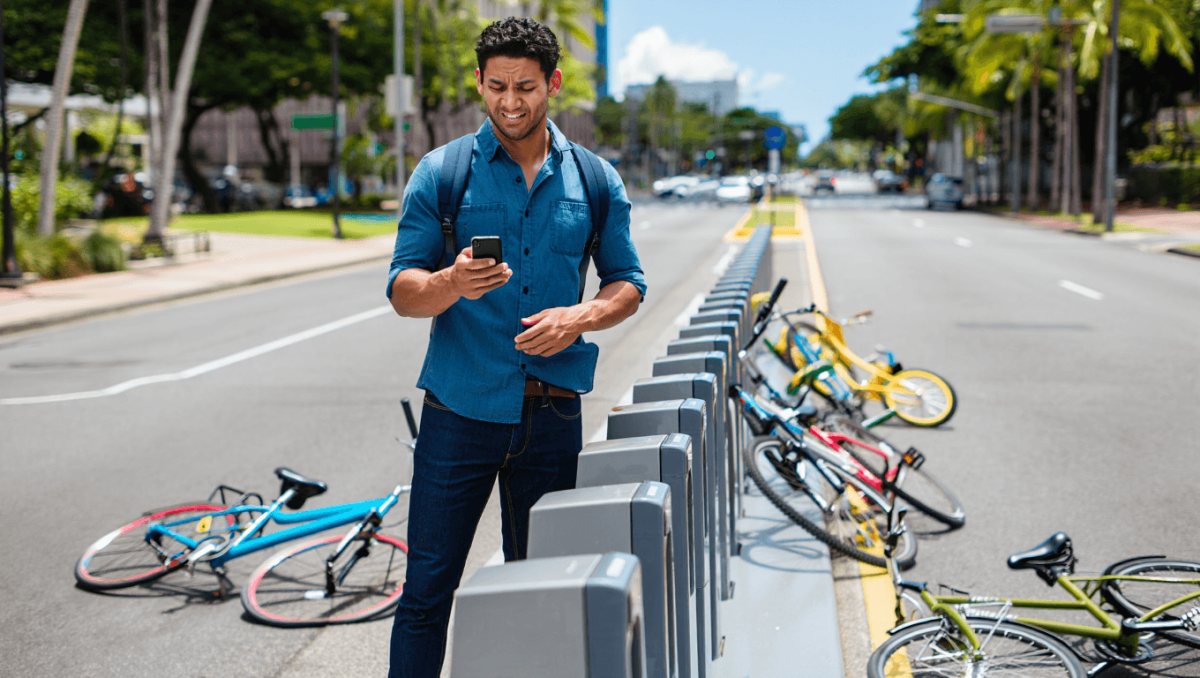
Roughly 800 shared bicycles have gone unaccounted for across Oʻahu, a gap that city officials and mobility providers say is complicating commute options and raising fresh questions about the management of dockless bike programs. The discovery comes as residents and visitors increasingly rely on short-trip rental services, making the disappearance of so many units a practical and policy concern.
Local transport authorities and the private operators that run the fleet have opened inquiries into the missing bikes, according to recent statements from municipal sources. Early indications point to a mix of factors rather than a single cause, and investigators are focusing on both operational lapses and deliberate misuse.
How bikes typically vanish
Tracking a dockless fleet depends on hardware, software and local rules. When that system breaks down, bikes can simply drop off the radar.
Boxing champions ditch long runs for high-intensity training: new era in fight prep
Czech nationals among victims of Pinedale-area crash: two confirmed dead
- Vandalism and theft: Bikes without robust locks or secure parking are easier targets for opportunistic theft or parts scavenging.
- Improper relocation: Riders sometimes move bikes outside permitted service zones; in other cases, informal collectors remove devices to sell parts.
- Maintenance shortfalls: Units sent for repairs but not logged correctly can be counted as missing.
- Technical failures: Malfunctioning GPS or intermittent connectivity makes a bike appear absent even when it remains in place.
Each of these pathways carries different policy and operational fixes, from tougher locking systems to more rigorous audit trails.
Immediate effects for riders and the city
For commuters, the loss translates into fewer available rides and longer waits at peak times. Tourists who depend on app-based rentals may find options limited in popular corridors, creating pressure on other transport modes.
For municipal governments and vendors, missing units mean financial exposure. Replacing bikes or investing in recovery and tracking systems can alter a provider’s cost model and potentially affect contract renewals and local regulations.
What officials and operators are doing now
Responses are unfolding on several fronts. Some actions are tactical—recovering visible bikes and repairing local drop‑off points—while others are strategic, aimed at preventing future shortfalls.
- Audit of fleet records to reconcile GPS logs with maintenance and rental data
- Targeted retrieval operations in known hotspots
- Software checks and upgrades to improve GPS tracking accuracy
- Stricter parking and zone enforcement, including fines or in-app penalties
- Discussion of hardware changes, such as stronger locks or tamper-resistant components
The mix of short-term recovery and longer-term system fixes will shape whether the missing bikes remain an episodic problem or a recurring weakness in the city’s mobility network.
Wider implications
Oʻahu’s situation highlights persistent challenges for dockless micromobility: balancing open access with asset protection, and ensuring program sustainability as fleets scale. Cities that have tackled similar losses leaned on stronger data controls, contractual accountability and community reporting to reduce shrinkage.
For residents, the unfolding investigation is less about numbers and more about reliability. If a bike-share system can’t guarantee a stable fleet, commuters may shift back to cars or congested buses, undoing gains in congestion relief and emissions reduction.
Authorities have said they will provide updates as recovery and auditing continue. In the meantime, riders can help by reporting abandoned or damaged bikes through operator apps and by following local parking rules to reduce opportunities for loss.