Show summary Hide summary
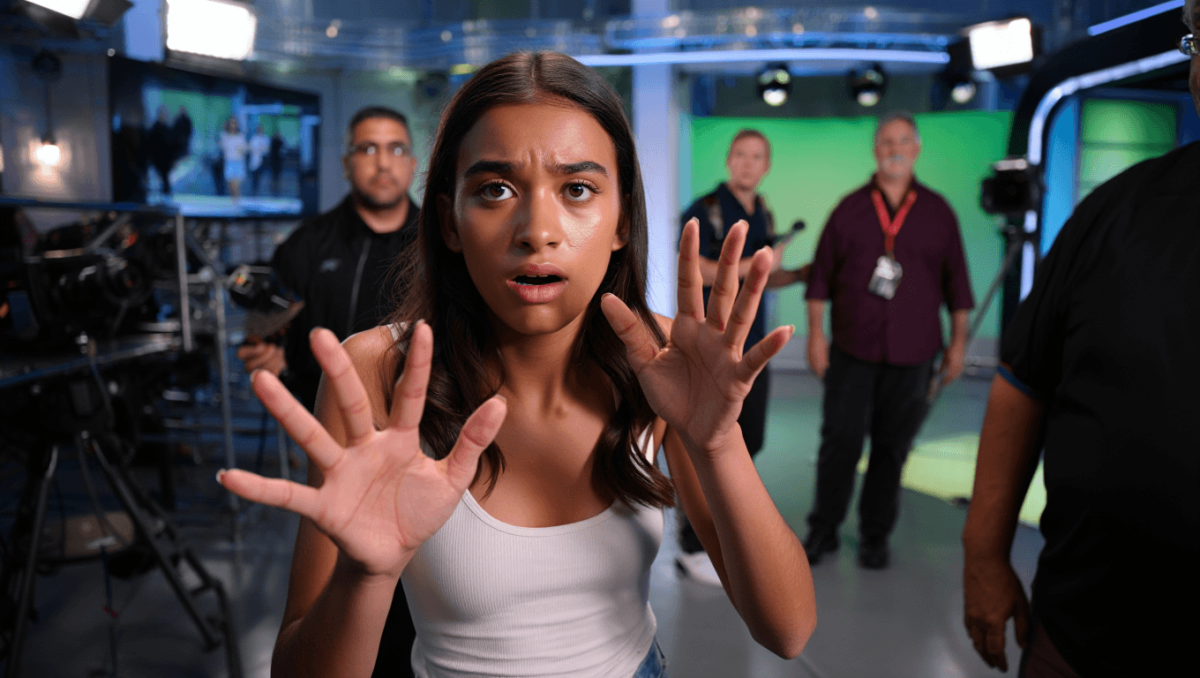
Days before the Season 8 premiere of Love Island USA, one of the newly announced contestants was removed after a video surfaced showing her appearing to use a racial slur — a development that underscores how quickly a contestant’s past can reshape a reality show and reignite debates about online accountability. The decision, confirmed by a source on May 31, highlights tensions between producers’ storytelling and the social-media scrutiny that now follows casting announcements in real time.
A person familiar with the matter said 25-year-old Vasana Montgomery is no longer part of the upcoming season, after a clip circulated online over the weekend. The show’s cast had been revealed on May 28, and the series is scheduled to debut on June 2. Montgomery has not issued a public statement about the footage.
Producers and viewers alike have seen similar scenes play out before: last season two islanders were removed after resurfaced posts showed them using racial slurs. The recurrence has revived broader conversations about whether public exposure of past behavior is a form of necessary accountability or an unforgiving aspect of what many call cancel culture.
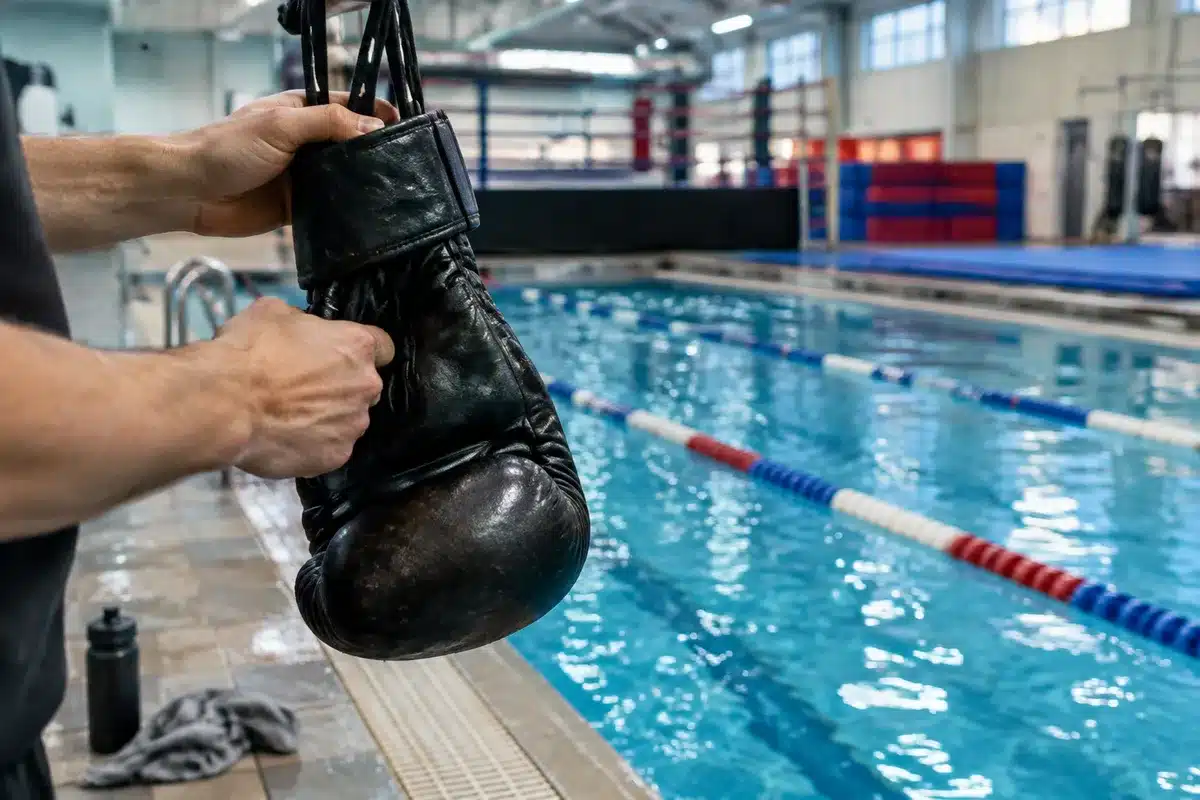
Boxing champions ditch long runs for high-intensity training: new era in fight prep
Czech nationals among victims of Pinedale-area crash: two confirmed dead
When control slips from the villa to your phone
Reality shows have traditionally shaped narratives in the edit room — highlighting relationships, softening or inflating conflict, and steering public sympathy. That control is fraying. With social platforms able to surface and amplify clips instantly, production teams can no longer confine controversy to a few late-night episodes.
The amplification is often driven by algorithmic feeds that push the same story across millions of users, sometimes within hours. That speed changes stakes for everyone involved: contestants are judged before they’ve had a chance to explain themselves on camera, and producers must react fast to public outcry or risk reputational damage.
Viewers’ emotional investment also alters the fallout. Parasocial attachment — the sense of intimacy fans develop with on-screen participants — can turn into a sense of betrayal if a contestant’s past actions are deemed offensive, prompting sustained backlash when the show has barely begun.
- For contestants: Increased risk of being vetted out or expelled as old posts surface; amplified mental-health pressures after returning home.
- For producers: Harder to shape narratives; faster crisis-management demands and potential legal or PR consequences.
- For audiences: A new role as digital investigators, deciding who is “watchable” and who crosses red lines.
- For casting: A narrowing candidate pool if past mistakes — even youthful ones — become disqualifying factors.
Accountability, or an endless audit?
Public reaction to recent removals has been split. Some users argue that exposing racist language is important and a step toward confronting bigotry. Others say the practice of excavating social-media histories — sometimes reaching back to teens’ posts — risks turning casting into a contest of who has the cleanest past rather than who will make compelling television.
Advocates for accountability maintain that consequences are appropriate when slurs or discriminatory behavior are involved, and that exposure can surface larger social conversations about race and respect. At the same time, critics warn that the boundary between fair scrutiny and punitive shaming is porous, especially when context is missing or when reactions far outstrip the original wrongdoing.
Previous contestants who returned to social media after being removed have described intense harassment and fear for their safety. Those accounts have fed concerns about whether the online response is proportionate, and how reality shows should weigh a contestant’s current attitudes and capacity for remediation against past errors.
What this means for the future of reality TV
As the industry confronts repeated incidents, casting teams may tighten vetting and legal safeguards, while showrunners could shift toward preemptive transparency about contestants’ pasts. But doing so may also reduce the spontaneity audiences expect from formats built on surprise and interpersonal friction.
The tensions are practical as well as ethical: producers must balance audience expectations, advertiser concerns and the mental well‑being of participants, all under the glare of viral social media. For viewers, the question remains whether reality programming can survive under constant retrospective scrutiny without losing the “mess” that fuels it.
At the center of this latest episode, Montgomery’s removal is a reminder that a single post can reshape a public life. Whether that outcome is seen as overdue accountability or an overreach of today’s surveillance culture depends largely on perspective — and on how the industry adapts to a world where few things stay private for long.
Montgomery has not publicly responded to the reports. The show’s premiere will test how producers and audiences navigate controversy in real time, and whether Love Island USA — and reality TV more broadly — can reconcile spontaneous drama with a relentless digital audit.