Show summary Hide summary
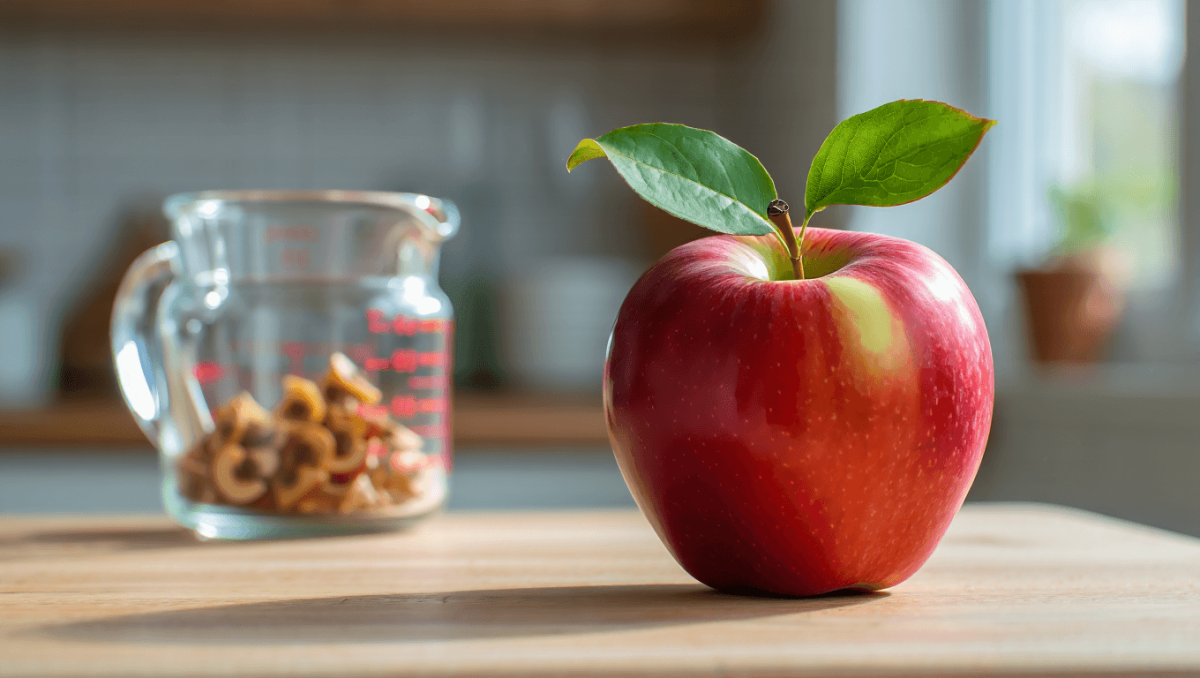
A single apple can be an easy, ready-to-eat way to add meaningful fiber to your day — and that matters now as many adults fall short of recommended intake. Newer reminders from nutrition experts stress that picking the right apple variety can make a measurable difference for digestion, blood-sugar control and overall nutrient balance.
How much fiber does one apple provide?
Most medium apples supply roughly 4 to 5 grams of fiber, depending on the type and size. For perspective, that equals a notable portion of the daily target: adult recommendations typically range from about 25 grams to 38 grams, so a single apple can cover around 10–20% of an individual’s goal.
Boxing champions ditch long runs for high-intensity training: new era in fight prep
Czech nationals among victims of Pinedale-area crash: two confirmed dead
Apples contain both soluble and insoluble fiber. The soluble portion helps moderate blood sugar spikes and may lower cholesterol, while the insoluble part adds bulk to stool and supports regular bowel movements. Registered dietitians point out that whole fruit provides this fiber alongside vitamins, minerals and other compounds that supplements don’t deliver.
| Variety | Approx. fiber (grams) | Notes |
|---|---|---|
| Generic medium apple | 4.0–4.5 g | Common estimate used in nutrition databases |
| Red Delicious | ~5 g | Tends to rank higher among varieties |
| Gala | ~2.5 g | Smaller or softer-textured varieties can have less fiber |
Why this matters for readers today
Fiber is linked to lower risk of heart disease, better weight management and a healthier gut microbiome. Yet surveys and dietary analyses consistently show that many people—particularly younger adults—do not meet recommended fiber levels. Choosing whole foods like apples is a simple, practical step toward closing that gap.
Apples are also portable and shelf-stable, making them a convenient substitute for processed snacks high in added sugars. Nutrition professionals recommend using fruit to retrain taste preferences away from ultra-sweet foods, which can reduce cravings over time.
- Eat the peel: a significant share of an apple’s fiber is in the skin.
- Pair with protein or healthy fat (e.g., nut butter) to blunt blood-sugar responses.
- Choose firmer, larger varieties when fiber is a priority.
- Whole fruit generally offers broader benefits than isolated fiber supplements.
Beyond fiber, apples supply a mix of phytochemicals and antioxidants that may help reduce inflammation, support brain health and feed beneficial gut bacteria. While no single food is a cure-all, regular inclusion of fiber-rich fruit is a low-effort strategy with measurable health returns.
This article was updated to reflect current guidance and variety comparisons. Updated: 2026-06-15.