Show summary Hide summary
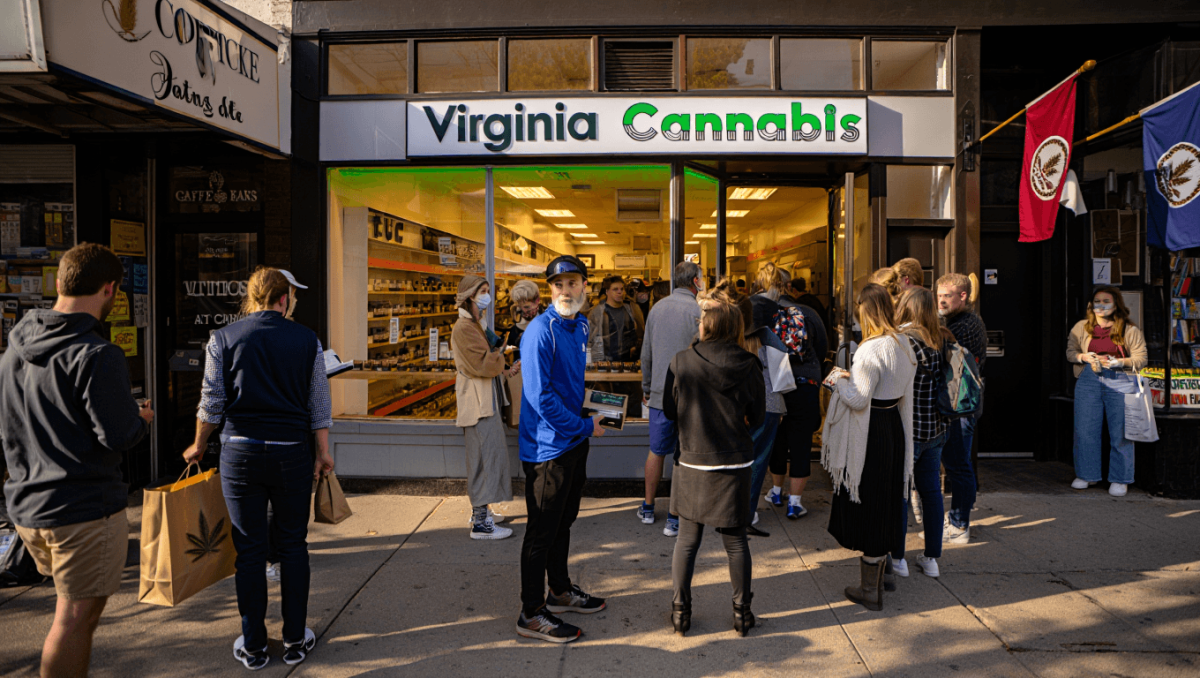
Virginia has cleared the final legislative hurdle to open a regulated retail cannabis market, setting a July 1, 2027 start date that aims to move sales out of the illicit economy and into licensed stores. The authorization — which includes a cap on outlets and a new tax framework — has immediate implications for public safety, justice reform and state revenue as regulators begin accepting applications next year.
What the new rules do
Under the budget bill that became law Monday, Virginia will permit up to 350 licensed cannabis retailers statewide. The market will serve adults 21 and older, and state officials will begin accepting retail license applications on Feb. 1 ahead of the retail launch on July 1, 2027.
Boxing champions ditch long runs for high-intensity training: new era in fight prep
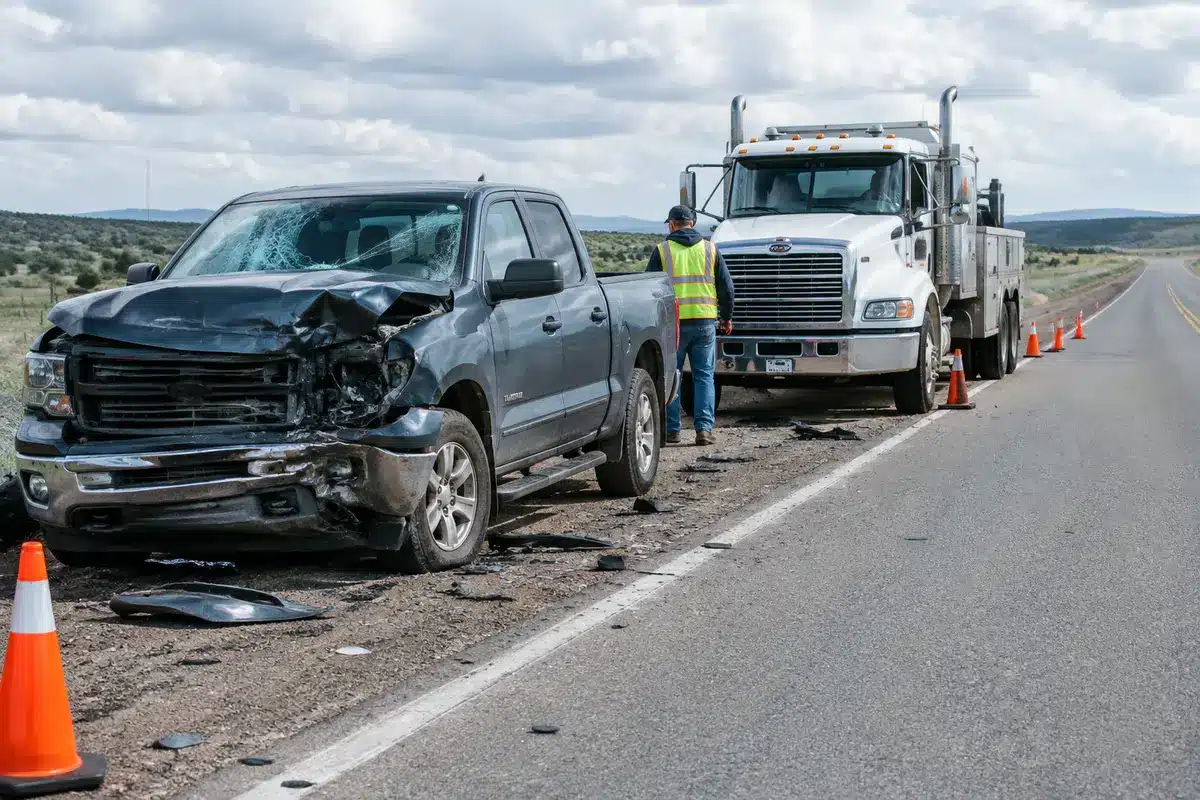
Czech nationals among victims of Pinedale-area crash: two confirmed dead
- License rollout: Applications open Feb. 1, 2027; retail sales begin July 1, 2027.
- Store cap: Up to 350 retail outlets statewide.
- Age limit: 21 and older for recreational purchases.
- Possession: Limit raised from 1 ounce to 2 ounces for individuals.
- Home cultivation: Continued allowance for a small number of plants at private residences.
- Tax and revenue: An excise tax layered on top of sales tax; the state estimates about $51 million in the program’s first year.
Why this matters now
The change closes a longstanding mismatch: Virginia legalized adult possession in 2021 but did not build a parallel retail system, leaving consumers to rely on unregulated sellers. State lawmakers and advocates say creating a licensed market will improve product testing and labeling, protect consumers and undercut criminal suppliers.
That shift also has equity at its core. Democrats who pushed the measure pointed to decades of disproportionate enforcement against Black Virginians as one of the main rationales for regulating sales rather than leaving cannabis sales in the shadows.
Political trade-offs and controversy
The path to a retail market was not linear. After the 2021 law that legalized possession, action on retail sales stalled amid changes in partisan control of state government and competing proposals from the two parties. In 2024, then-Gov. Glenn Youngkin vetoed a standalone bill to establish recreational retail sales.
Newly sworn-in Gov. Spanberger — who took office in January 2026 and campaigned on creating a regulated market — ultimately negotiated a compromise with the legislature. Provisions she sought were folded into the state budget; lawmakers accepted her amendments before the bill reached the governor’s desk.
Not all advocates are satisfied. Some civil-rights and community groups criticized an increase in the civil fine for public consumption, warning the change could revive patterns of unequal enforcement. Organizers who pressed for broader reforms called the final package progress but imperfect.
Where Virginia stands regionally and federally
Within the Southern United States, Virginia’s move is notable. Most states now allow medical or recreational cannabis in some form, and about half permit adult recreational use, but Southern states have trended more conservatively on cannabis policy — making Virginia an outlier.
At the same time, cannabis remains illegal under federal law. That dichotomy creates practical complications for businesses and regulators, from banking and interstate commerce to workplace and public-safety rules. Federal policy discussions continue in Washington, but for now the state-level change will govern daily life in Virginia.
What to watch next
Regulators will set licensing rules, product testing standards and retail zoning requirements over the coming year. Interested entrepreneurs, public-health officials and community groups will be closely watching:
- How state regulators structure license categories and pricing to encourage equity applicants;
- Testing and labeling standards that determine product safety and consumer information;
- Local ordinances that affect how many stores actually open in each jurisdiction;
- Enforcement plans for public consumption and impaired driving.
The legislature and regulators face the practical challenge of translating a legal framework into an operating market that competes with the existing illicit supply—while attempting to address racial disparities and public-health concerns that fueled calls for reform.