
Show summary Hide summary
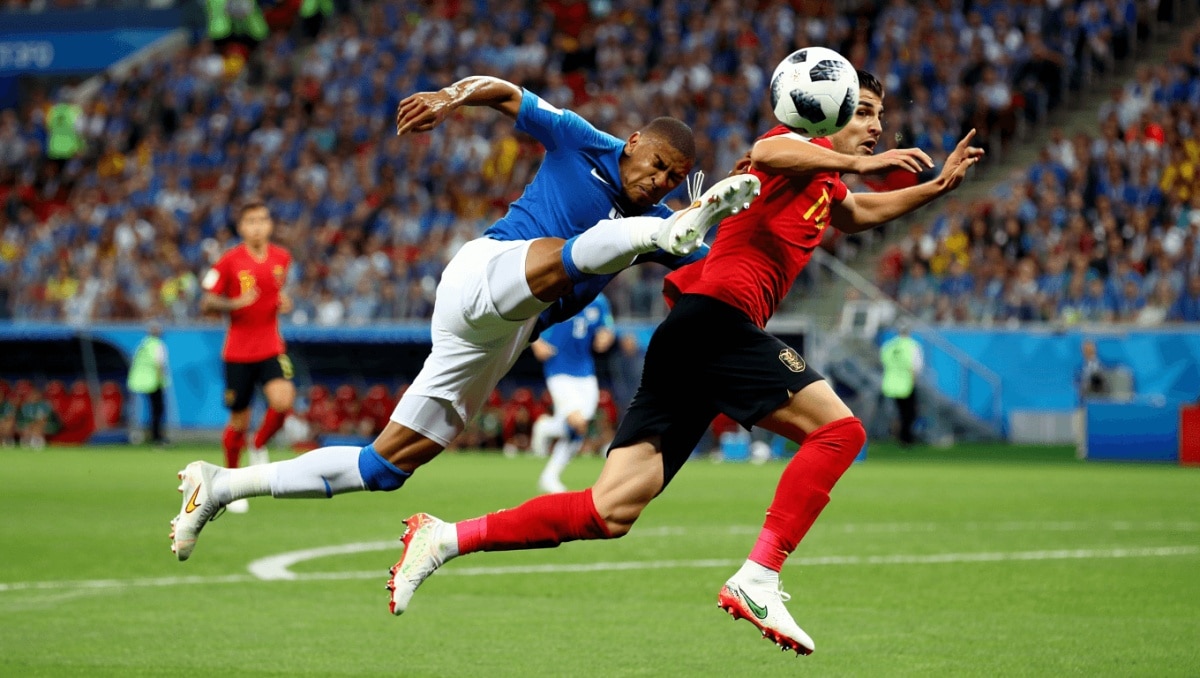
The 2026 World Cup opens this week as football’s global spotlight moves across three countries, testing not just teams but infrastructure, travel and public sentiment. A tournament of unprecedented size promises more matches, more host cities and fresh storylines that matter to fans, broadcasters and local economies.
Tournament scale and schedule
This edition expands the field to 48 teams and stretches across 104 matches, staged in 16 host cities split among the United States, Canada and Mexico. The first game pits Mexico against South Africa at Estadio Azteca; the final is set for July 19 at MetLife Stadium in the New York/New Jersey area.
Boxing champions ditch long runs for high-intensity training: new era in fight prep
Czech nationals among victims of Pinedale-area crash: two confirmed dead
The sheer volume of fixtures changes the tournament’s rhythm. More matches mean more opportunities for surprise results and deeper runs by nations that previously faced early elimination. For broadcasters and fans, that also translates into a denser viewing calendar and tougher planning for travel and ticketing.
Key storylines to watch
- Host-nation pressures: The U.S. enters with high expectations about attendance and TV ratings; organizers will be watching actual stadium turnouts and hotel occupancy closely.
- Political context: Shifts in international travel sentiment and immigration policy are influencing fan decisions and logistics for overseas supporters.
- Ticketing and resale: Controversy over official pricing and aftermarket availability remains a flashpoint for supporters tracking ticket access and authenticity.
- Title race: Argentina defends the crown while France, England and Spain are widely considered among the tournament favorites.
- Legacy and infrastructure: For many host cities, the games are a test of transport networks, stadium operations and long-term urban planning benefits.
Politics and travel: a non-football variable
Off-field dynamics are unusually prominent this year. Changes in U.S. policy and heightened media attention on cross-border travel have left some international fans weighing whether to attend. Organizers and local authorities are monitoring visa processing, safety briefings and hospitality capacity as the event unfolds.
Discussions over ticket prices and the transparency of resale markets have also dominated fan groups and social feeds. While official sales have filled many venues, reports of unsold blocks and late-market availability in certain cities have created mixed headlines — a reminder that demand can vary widely by location and match-up.
United States: a team under scrutiny
Expectations for the U.S. squad are complicated. The team’s recent results have been uneven: domestic supporters saw setbacks in regional competitions and bruising friendlies against strong European sides this spring. Yet a spirited 2–1 friendly loss to Germany — highlighted by an impressive goal from Antonee Robinson — gave a glimpse of the squad’s potential heading into the Cup.
At home, conversations will center on whether that performance energizes the wider fanbase and translates into momentum in a Group D that includes Paraguay, Australia and Turkey. For many Americans, this tournament is as much about establishing a consistent international identity as it is about advancing deep into the knockout rounds.
End of an era for global icons?
Two of the game’s defining figures are expected to play what could be their final World Cups. Their presence adds emotional weight: national narratives, merchandising and broadcast packages all anticipate ceremonial moments should either player exit the international stage.
Beyond names and headlines, the 2026 Cup will test which nations adapt best to a stretched schedule and the logistical complexities of a tri-nation hosting model. The outcomes will influence coaching careers, player legacies and how future tournaments are organized.
As matches begin, attention will quickly shift from setup and speculation to form and results. For fans and stakeholders, that transition — from anticipation to performance — is the clearest measure of whether this expanded World Cup delivers on its promise.