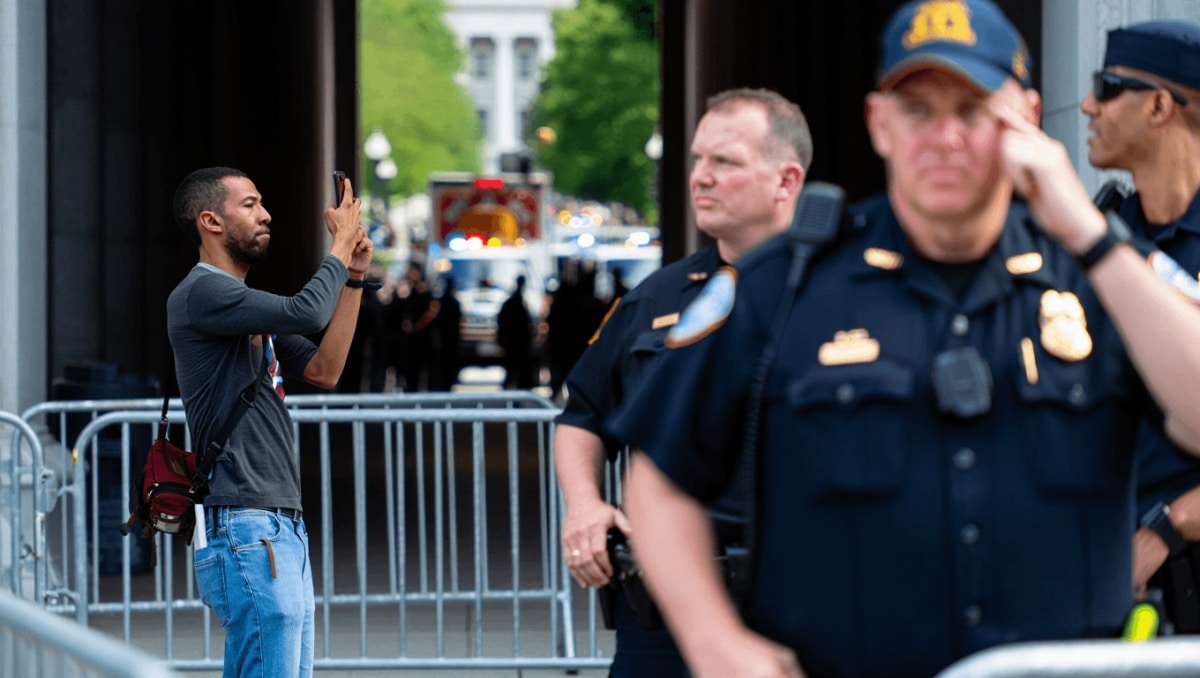
A Washington, D.C., resident will receive $50,000 to settle claims that he was unlawfully detained after following a convoy of uniformed troops while playing the iconic “Star Wars” theme on his phone — a case that raises fresh questions about free speech and crowd-control tactics in the capital. The agreement, disclosed this week, comes as the city continues to host an expanded National Guard presence ordered by the federal government last year.
The plaintiff, artist and hospitality worker Sam O’Hara, filed suit in October alleging that Metropolitan Police officers violated his First Amendment right to free expression and his Fourth Amendment protections against unreasonable seizure and excessive force. Court records made public Monday show the District of Columbia has agreed to pay $50,000 to resolve O’Hara’s claims against the city and the MPD officers; the payment covers both damages and legal fees.
O’Hara’s lawyers from the American Civil Liberties Union of the District of Columbia confirmed the settlement but declined to publish the specific dollar amount at first, citing privacy concerns for their client. The settlement document provided to news organizations lists the $50,000 figure and specifies that the city does not admit wrongdoing as part of the agreement.
Boxing champions ditch long runs for high-intensity training: new era in fight prep
Czech nationals among victims of Pinedale-area crash: two confirmed dead
Legal action related to the incident is not fully closed: O’Hara’s separate allegations against an Ohio National Guard member, identified in court filings as Sgt. Devon Beck, remain pending. Beck has filed a motion asking a judge to dismiss the claims against him.
- When: The encounter occurred on Sept. 11, 2025; the lawsuit was filed in October 2025.
- What happened: O’Hara says he walked behind several guard members along a public street while playing “The Imperial March” from his phone; a troop summoned police.
- Police response: Officers detained O’Hara, keeping him handcuffed for roughly 15 to 20 minutes before releasing him without charges.
- Settlement terms: D.C. will pay $50,000, which includes attorney’s fees and costs; the agreement states no admission of liability.
- Ongoing matter: Claims against the guard member have not been resolved and are subject to separate court proceedings.
O’Hara said he felt vindicated by the settlement but disappointed that public funds — rather than the individual officers named in his suit — will cover the payment. He urged stronger measures to hold officials personally accountable when constitutional rights are breached, arguing that meaningful reform should include consequences for individuals, not just city budgets.
The case intersects with a broader national-security posture in the district: a sizable deployment of National Guard troops began last August after an executive order by President Donald Trump expanded federal law enforcement operations in Washington. The presence has proved controversial among many residents and local officials in the predominantly Democratic city, and it has prompted multiple civil-rights complaints and public debates over policing and protest tactics.
Legal observers say the settlement underscores growing scrutiny of how police and military forces interact with civilians in public spaces — especially when those encounters involve expression that may be provocative but protected. While the payment resolves the city-level claims, the unresolved action against the guard member will determine whether other parties face liability.
For now, the agreement closes one chapter in a dispute that highlights tensions between civil liberties and security operations in the capital. How courts handle the remaining claims could influence future cases about artistic expression, public protest, and the limits of detention by law enforcement and military personnel operating on city streets.