Show summary Hide summary
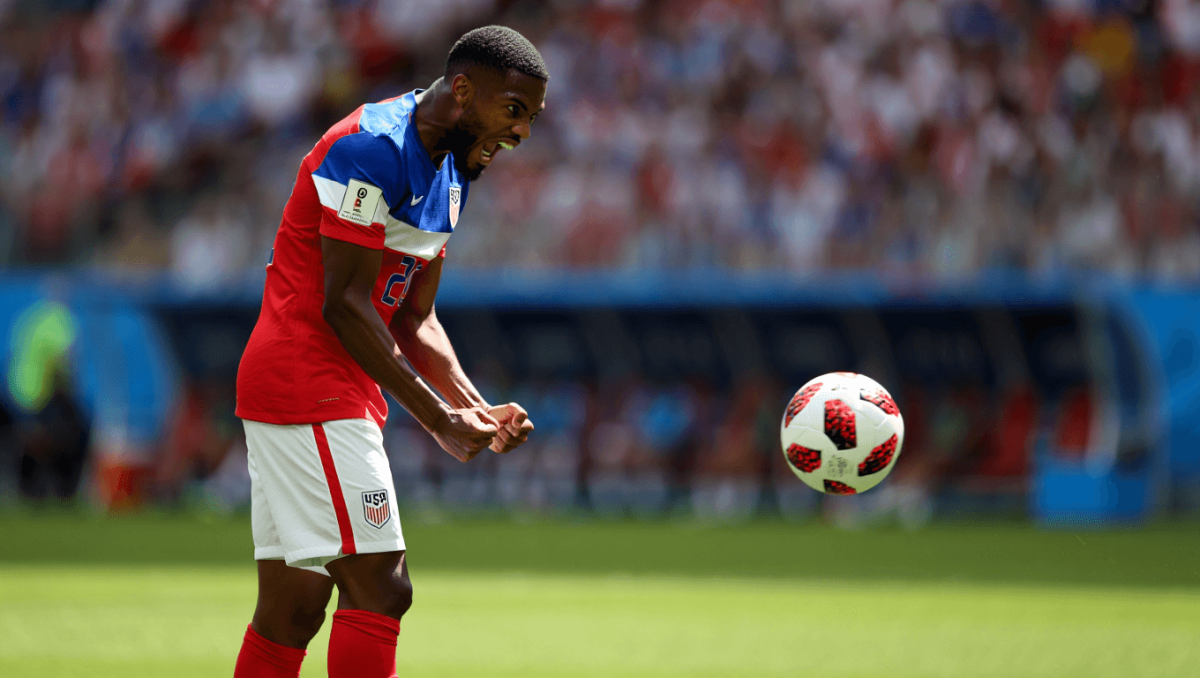
A last-minute, unexplained reversal in FIFA’s disciplinary ruling cleared Folarin Balogun to play for the USMNT against Belgium — a development that reportedly followed pressure from the U.S. president and that FIFA has since denied was improperly influenced. Why it matters now: the episode exposes how American clout can reshape international soccer business and public trust at the exact moment the United States is trying to define itself as a major soccer nation.
Power and perception collide
The decision’s timing and opacity have stirred more than tactical debate about one player. It has raised questions about governance, fairness and the image of U.S. soccer abroad. What started as a disciplinary technicality quickly became a test of whether American success will arrive through sporting achievement or political leverage.
Boxing champions ditch long runs for high-intensity training: new era in fight prep
Czech nationals among victims of Pinedale-area crash: two confirmed dead
For decades, the global hierarchy in club soccer has placed European leagues at the center of prestige and power. The pathway for elite players has run through those competitions; national-team glory, for many countries, remains the rarest and most precious prize.
Not the European model
That distinction helps explain why interference from heads of state has been more common outside the top European powers. In countries where the World Cup is the apex of sporting life, political leaders often view the national team as a symbol of national standing — and are therefore willing to intervene. The Balogun episode suggests the U.S. is beginning to exert that kind of influence, even as its domestic game still aspires to European-style sporting dominance.
This isn’t a straightforward sign of maturation. The United States now has the attendance, commercial muscle and media attention that make soccer an important national project. But the method — alleged back-channel lobbying to alter a disciplinary outcome — is a departure from the quiet authority that comes from consistently winning on the pitch.
Practical consequences for the match and beyond
- On-field pressure: The squad and coach may face heightened scrutiny; players can carry extra mental burden if the eligibility decision is seen as political.
- Referee dynamics: Officials aware of controversy might overcompensate to avoid perceived favoritism, potentially influencing calls during the game.
- Reputation costs: FIFA’s credibility and the U.S. soccer establishment’s image could suffer if stakeholders view processes as negotiable to political clout.
- Precedent: Future disciplinary issues could attract similar outside attention, making impartial adjudication harder to maintain.
These effects are immediate and practical. They alter how players prepare, how officials officiate and how the global audience interprets the result — long after the match ends.
Where this places U.S. soccer
The episode underlines a paradox. The United States now has the commercial and political weight to influence world soccer. Yet, that influence sometimes substitutes for the long-term, competitive credibility that clubs and national teams in Europe built over generations.
Fans celebrating Balogun’s availability are seeing a rare, tangible victory. Observers elsewhere may interpret the same moment as evidence that administrative sway, not on-field excellence, is shaping outcomes. Both readings are consequential.
Ultimately, becoming a true soccer power requires more than headline-grabbing decisions. It needs consistent performance, respected institutions, and transparent governance — elements that foster durable trust, not just short-term advantage.