Show summary Hide summary
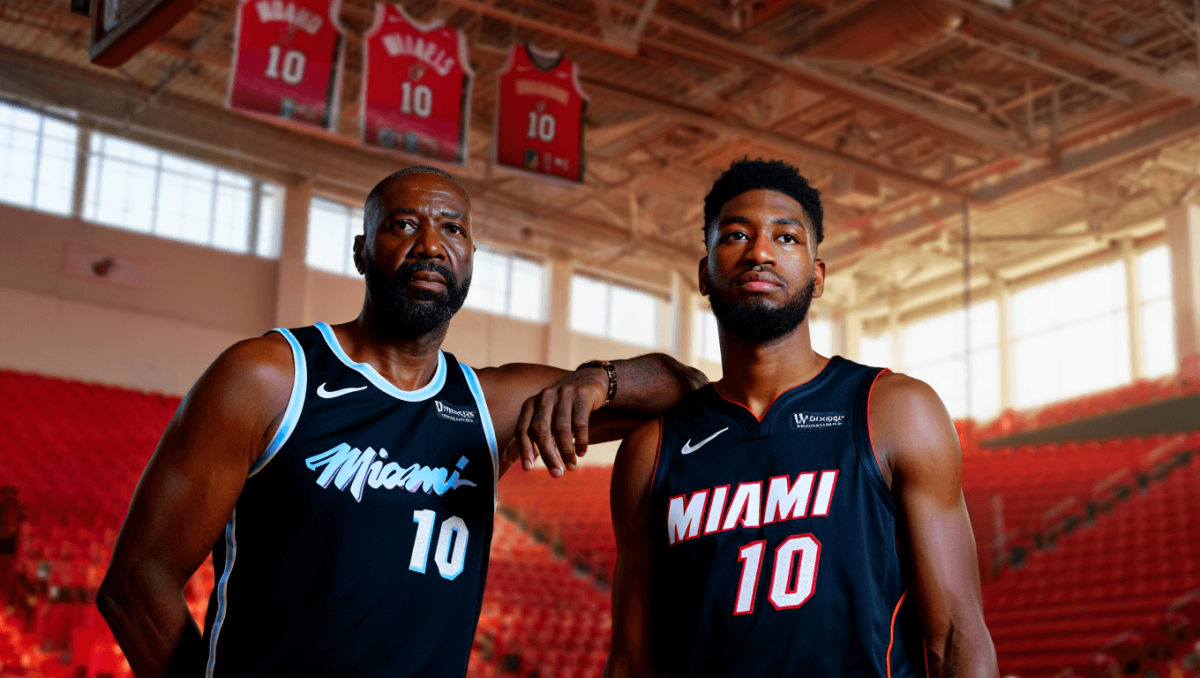
When Tim Hardaway Jr. agreed this week to join the Miami Heat, he walked into a subtle conflict over history: his father’s No. 10 hangs in the rafters in Miami, retired more than a decade ago. The elder Hardaway has made clear he doesn’t want the jersey returned to circulation, a stance that now intersects with ongoing superstar movement around the league — and the looming decision of LeBron James.
The exchange between father and son has practical and symbolic weight. For the Heat, the matter resurrects questions about how teams balance franchise memory with current roster choices. For players, it touches on legacy — whose names get preserved in bronze and fabric, and who can ask to wear them years later.
What happened in Miami
Hardaway Jr. signed a contract with Miami this week after a long NBA career that included wearing No. 10 in college and in parts of his professional life. But the Heat formally retired his father’s number in 2009, and Tim Hardaway Sr. has publicly objected to any attempt to unretire it for his son.
Boxing champions ditch long runs for high-intensity training: new era in fight prep
Czech nationals among victims of Pinedale-area crash: two confirmed dead
Speaking to local radio, Hardaway Sr. framed the issue as one of preservation: a retired jersey is meant to stay off the floor. He praised his son’s accomplishments while insisting that the No. 10 rafters should remain undisturbed — a clear no to Junior wearing the number in Miami.
How other teams have handled it
The league has varied approaches. Cleveland allowed Larry Nance Jr. to wear his father’s No. 22 while it hung above the arena after gaining NBA permission; Nance Jr. briefly used an alternate number before switching back. That precedent shows teams and the league can be flexible, but the decision is ultimately discretionary and often personal.
- Team prerogative: Franchise leadership usually controls retired-number decisions and any exceptions require approval.
- Player preference: Some families see sharing a number as honoring a lineage; others view a retirement as sacrosanct.
- League sign-off: The NBA has granted exceptions in the past, but it is not automatic.
Why this matters now
The timing amplifies the story. LeBron James remains the biggest free-agent storyline in the league; he has told his team he will not return to Los Angeles, and Miami is widely discussed as a possible destination. How the Heat manage symbolic gestures like retired jerseys signals their approach to roster construction and franchise identity as they court top-tier talent.
For fans and media, the collision of legacy and personnel choices provides a clear narrative hook: it’s not just about who signs where, but how teams honor the past while shaping the present. The outcome — whether Hardaway Jr. wears No. 10, picks another number, or the Heat grant an exception — will be a small but telling indicator of the franchise’s priorities.
Practical implications
Beyond symbolism, there are immediate consequences:
- If the Heat refuse to unretire No. 10, Hardaway Jr. will need an alternate jersey, a minor but visible change for marketing and fan recognition.
- An exception would require front-office approval and potentially set a precedent for other retired numbers.
- The situation could become a talking point in broader free-agency conversations, especially as teams negotiate short-term optics with long-term branding.
More broadly, this episode is a reminder that roster moves carry cultural meaning. Jersey numbers are small artifacts of personal and team history, and disputes over them often reveal how franchises and families interpret honor and memory.
For now, the Heat — and the Hardaways — occupy a middle ground: cordial, public, and principled. Fans waiting on LeBron’s next team will watch closely, not just for signings but for what those signings say about how franchises steward their pasts.