Show summary Hide summary
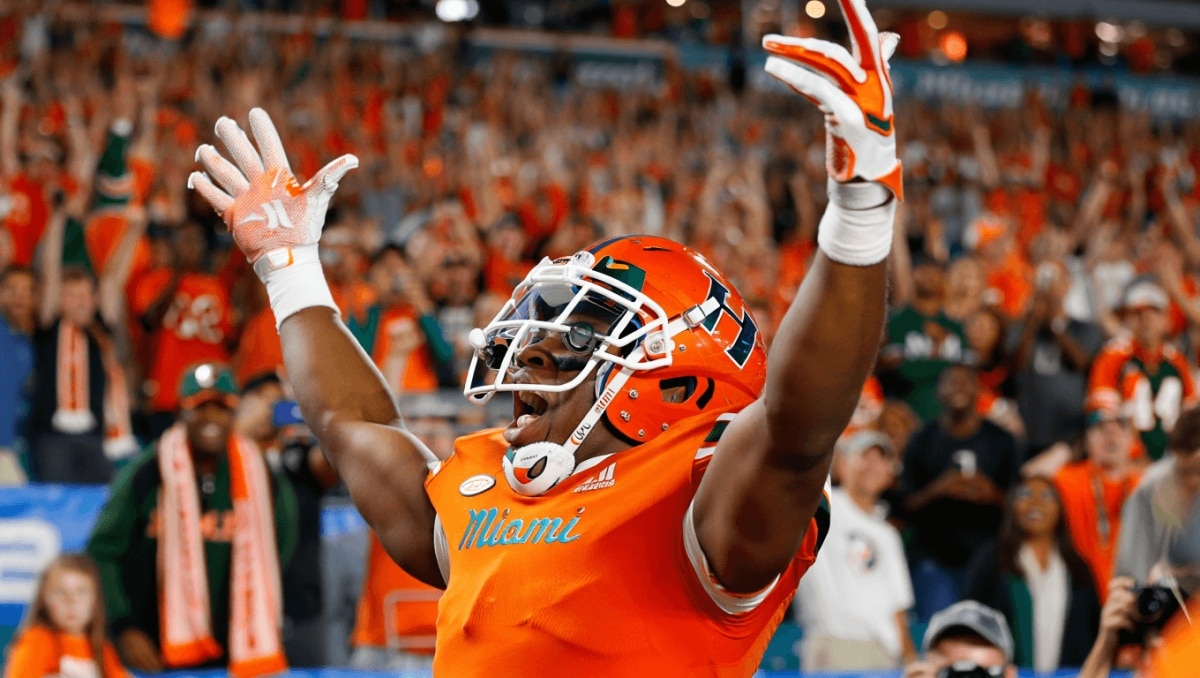
Miami’s program looks closer to a genuine comeback than it did a year ago, but the question that matters as the 2026 season approaches is simple: can the Hurricanes turn last season’s momentum into sustained, unquestionable success? The narrow loss in the national title game and targeted roster upgrades this offseason mean this year will offer a clearer answer for players, fans and recruiters.
Last season’s run to the College Football Playoff final reignited belief around Coral Gables. The Hurricanes pushed the eventual champions to the brink in a 27-21 game that hinged on a handful of plays — including an interception that almost swung the result. That performance showed Miami was competitive at the highest level again, but it also left lingering questions about consistency, depth and how the program will measure itself against its own history.
How 2025 matters to 2026
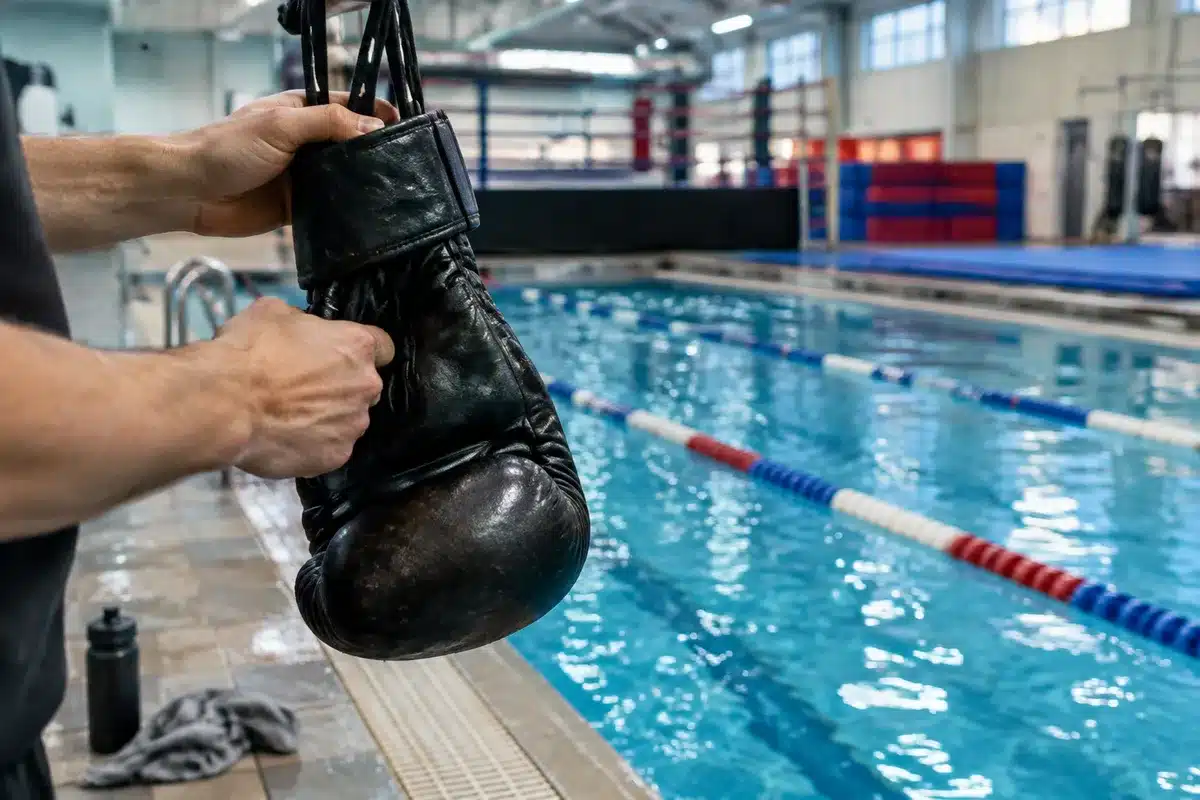
Boxing champions ditch long runs for high-intensity training: new era in fight prep
Czech nationals among victims of Pinedale-area crash: two confirmed dead
The program’s recent success arrived in a very different college-football environment than the decades when Miami dominated. Parity, transfer movement and new playoff dynamics have created opportunities that did not exist during the program’s heyday from the early 1980s through the early 2000s. Still, one clear yardstick remains: Miami has not won a conference title since 2003, a drought that now stretches nearly as long as the span between the Hurricanes’ first and last national championships.
That gap underlines why the upcoming season is more than nostalgia. A convincing ACC run this fall would do more than add another trophy; it would demonstrate the program can convert high-profile postseason flashes into consistent, season-long performance. For recruits and the coaching staff, that has immediate consequences.
Key changes shaping expectations
Miami enters 2026 with several personnel moves that alter how the team might play and how opponents prepare for it. The mix of local talent and experienced transfers addresses problems seen in the postseason and during the regular season last year.
- Local skill-position talent: Running back Mark Fletcher Jr., last season’s Cotton Bowl offensive MVP, and wideout Malachi Toney add speed and physicality to the offense while maintaining strong ties to South Florida recruiting pools.
- Quarterback upgrade: Darian Mensah, the ACC Championship Game MVP and the conference’s leading passer last season, brings proven experience in Big Ten/ACC-type competition and an ability to manage high-pressure games.
- Defensive boost: Edge rusher Damon Wilson II arrives from Missouri after a nine-sack campaign, offering Miami more disruption on the edge and a clearer plan to pressure opposing quarterbacks.
These moves are tactical as much as symbolic. They address specific weaknesses—pass rush, quarterback play under pressure and consistent production from the backfield—while also sending a message to recruits that the program is assembling the pieces to compete for conference and national hardware.
Why context still matters
Comparing 2025’s achievements to Miami’s championship-era teams is inevitable, but not always useful. The Hurricanes’ five national titles came under different recruiting rules, scheduling realities and conference structures. A playoff appearance in 2025 proves modern competitiveness; reclaiming the level of dominance from the 1980s and 1990s would require sustained results over multiple seasons.
The program also faces practical hurdles: closing a nearly quarter-century gap without a conference crown, converting postseason flashes into a full season’s consistency, and keeping key contributors healthy across a longer slate of meaningful games. How the coaching staff integrates transfers and develops younger depth players will determine whether this year is a one-off spike or the start of something lasting.
What to watch in 2026
Expect attention on how quickly the new and returning pieces click. Early-season non-conference tests and the first stretch of ACC games will reveal whether Miami can avoid the midseason dips that have cost them in previous years. Quarterback play, red-zone efficiency, and pass-rush production will be the most revealing metrics.
- Early-season offensive cohesion: Can Mensah and the skill group find a consistent rhythm?
- Edge pressure: Will Wilson II’s presence translate into fewer clean pockets for opponents?
- Depth and endurance: Can Miami sustain performance through the grind of conference play?
Veterans like Fletcher have framed the goal plainly: use this season to move the program closer to the standard set by earlier generations. That ambition carries weight now because the rest of college football will notice — and respond — to what the Hurricanes show on the field.
In short, Miami is not yet the uncontested force it once was, but the ingredients are more compelling than they were a year ago. If the Hurricanes combine the offseason additions with the continuity from last season’s playoff run, 2026 could be the campaign that turns debate into clarity: not just that Miami is competitive again, but that it has the structure to stay there.