Show summary Hide summary
Iranian strikes on Friday struck a combined power and water-desalination facility in Kuwait, damaging equipment that supplies drinking water to large parts of the country and prompting emergency contingency plans. The attack underscores how fragile water systems are in a region that depends heavily on technology to turn seawater into potable supplies.
Damage, response and immediate risks
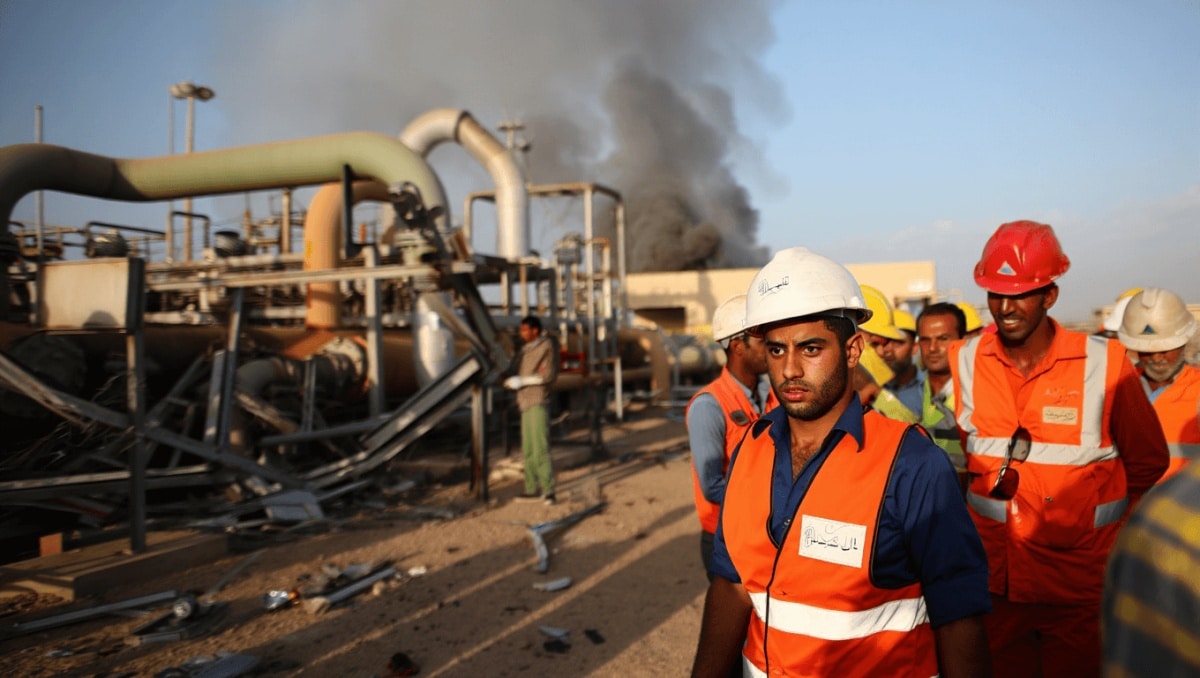
Kuwaiti officials said the strikes damaged several power generation units and caused a fire that has since been contained. Authorities activated emergency protocols to protect essential services and assess repairs, but they warned the incident could reduce local water and electricity output while teams work to restore systems.
Boxing champions ditch long runs for high-intensity training: new era in fight prep
Czech nationals among victims of Pinedale-area crash: two confirmed dead
Desalination in the Gulf is not a backup source — it is the primary source. In Kuwait, roughly nine out of every ten liters of tap water come from desalination. Neighboring countries show similar dependence: about eight to nine in ten liters in Oman and around seven in ten in Saudi Arabia originate from treated seawater.
Why a strike on a single plant matters
Hundreds of desalination facilities line the Persian Gulf coast, meaning missile or drone attacks can put multiple urban areas at risk. Many plants are physically integrated with electricity stations, so damaging key electrical infrastructure can halt water production as quickly as a direct hit on treatment equipment.
The desalination process itself is complex and fragile. If any link in the chain fails — from intake screens to energy supply, or the ultrafine membranes used to separate salt from seawater — production can stop or be contaminated.
- Interconnected systems: Power outages quickly translate into lost water output at co-located plants.
- Concentrated capacity: A small number of large plants produce the lion’s share of the region’s desalinated water.
- Proximity to conflict: Coastal placement exposes facilities to missiles, drones and debris from nearby attacks.
- Supply shock timeline: Major cities could face significant shortages within days if large plants are disabled.
Regional fallout beyond shipping
International attention has focused on attacks affecting shipping and the Strait of Hormuz, which have shaken global markets. But interruptions to water production carry equally urgent local consequences: hospitals, hotels, industry and households would face direct disruption, and restoring complex mechanical systems can take weeks or months if critical components are destroyed.
Earlier in the conflict, Kuwait reported damage to other desalination infrastructure when debris from intercepted drones struck a plant near the port. Tehran has also said U.S. strikes hit Iranian desalination facilities, a claim the U.S. has not confirmed; Houthi forces have previously targeted Gulf infrastructure amid wider regional tensions.
Longer-term vulnerabilities: intelligence warnings and climate stress
A U.S. intelligence review published in 2010 warned that attacks on desalination facilities could trigger national crises in Gulf states, noting that a significant share of regional water output was concentrated in a small number of plants. That assessment remains relevant as conflicts shift and weaponry becomes more precise.
Climate change compounds the risk. Rising sea levels, stronger storms and unusual rainfall can overwhelm coastal systems designed for more stable conditions, while higher sea temperatures and extreme weather increase the frequency of events that can damage intake and treatment infrastructure.
The combination of military threats and environmental stressors leaves Gulf desalination networks unusually exposed — and the Kuwait strike is the latest reminder that water security in one of the world’s driest regions can be compromised by both human conflict and changing climate patterns.