
Show summary Hide summary
A diplomatic impasse over maritime access, renewed fighting in Yemen and a rare military order in the West Bank are shaping security and trade calculations across the region this week. Each development carries immediate consequences for shipping, local civilians and the fragile economies already strained by years of conflict.
Iran holds firm: Strait reopening linked to U.S. concessions
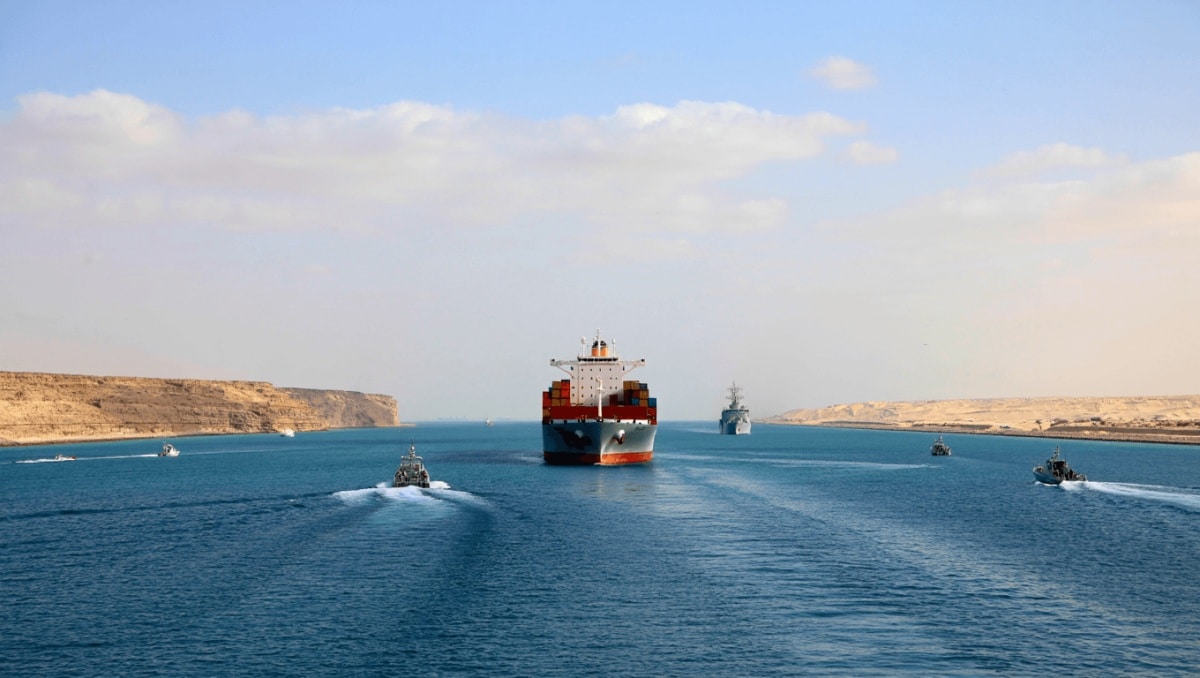
Iran says it will not allow normal traffic through the Strait of Hormuz until Washington meets a set of demands, a stance that keeps one of the world’s most important oil corridors effectively off-limits. Tehran’s foreign ministry framed the issue as a response to what it calls unlawful U.S. actions, and said progress depends on concrete U.S. steps.
Boxing champions ditch long runs for high-intensity training: new era in fight prep
Czech nationals among victims of Pinedale-area crash: two confirmed dead
The Iranian list of conditions includes lifting a U.S. blockade on Iranian ports, compensation for damage related to months of fighting, easing of economic sanctions and release of funds frozen abroad. While Tehran is discussing limited transit arrangements with Oman — including the possibility of a temporary corridor — officials insist any full reopening requires direct engagement with the United States.
Why this matters now: the strait normally handles a large share of global oil shipments. Its closure has already influenced shipping patterns and energy prices, drawing attention in diplomatic capitals and commercial markets as election season looms in the United States.
Taybeh sealed off as army restricts access
In the occupied West Bank, Israeli forces designated the Christian-majority town of Taybeh a closed military zone, a move intended to bar Israeli settlers and other non-residents from entering. The order allows Palestinian residents and journalists to remain unless soldiers judge their presence a security risk.
The restriction responds to a string of attacks on the village — including arson and property incursions by settlers — and follows long-standing complaints by residents that security forces are slow to intervene. The army said troops would detain suspects and disperse gatherings when necessary to preserve order.
Human toll: Palestinian authorities report a rising casualty count across the territory; Ramallah-based health officials say dozens of Palestinians have been killed this year in confrontations involving settlers or security forces, underscoring the broader volatility that the Taybeh order aims to address.
Houthi strike on Mokha kills seven, wounds dozens
Yemen’s internationally recognized Defense Ministry reported that an attack by Iran-aligned Houthi forces on the Red Sea port town of Mokha killed seven people and injured about 30. The ministry said four of the dead were military personnel and three were civilians.
The assault is the latest in a series of Houthi operations targeting government-held positions and infrastructure since a truce broke down in 2022. The strikes also feed regional anxiety over shipping safety: with Hormuz effectively closed, more traffic and strategic attention have shifted to the southern approaches of the Red Sea and the Bab el-Mandeb strait.
Gaza beekeepers attempt to rebuild amid restrictions
More than two years of war devastated much of Gaza’s economy, but small-scale producers are now trying to revive honey production. Beekeepers returned to plots near the Yellow Line that divides the territory and reassembled a number of hives, particularly around Gaza City and Jabalia.
Producers say the activity provides modest income and supports agricultural ecology, but progress is constrained by a sustained blockade that limits imports of equipment and materials needed for beekeeping. Local cooperative leaders emphasize the sector’s role in food systems and rural livelihoods even as access to inputs remains tight.
- Strait of Hormuz: Closed until Iran and the U.S. reach an agreement, with interim talks involving Oman under way.
- Taybeh: Declared a closed military zone to curb settler access; residents and journalists may remain unless deemed a threat.
- Mokha attack: Seven killed, roughly 30 wounded in Houthi strike on Red Sea town held by government forces.
- Gaza honey production: Beekeepers restarting operations near the perimeter but face shortages caused by the blockade.
What to watch next: any substantive U.S.–Iran engagement on maritime access would be the quickest route to easing pressure on global shipping and markets. At the same time, recurring violence in Yemen and the West Bank could prompt further shifts in military posture and humanitarian access across the region.
Taken together, these developments show how diplomatic, security and economic pressures are interacting across the Middle East: disruptions at sea increase the strategic value of coastal choke points, local orders like the one in Taybeh reshape day-to-day safety for civilians, and small recovery efforts — from honey producers to farmers — struggle under wider political constraints.