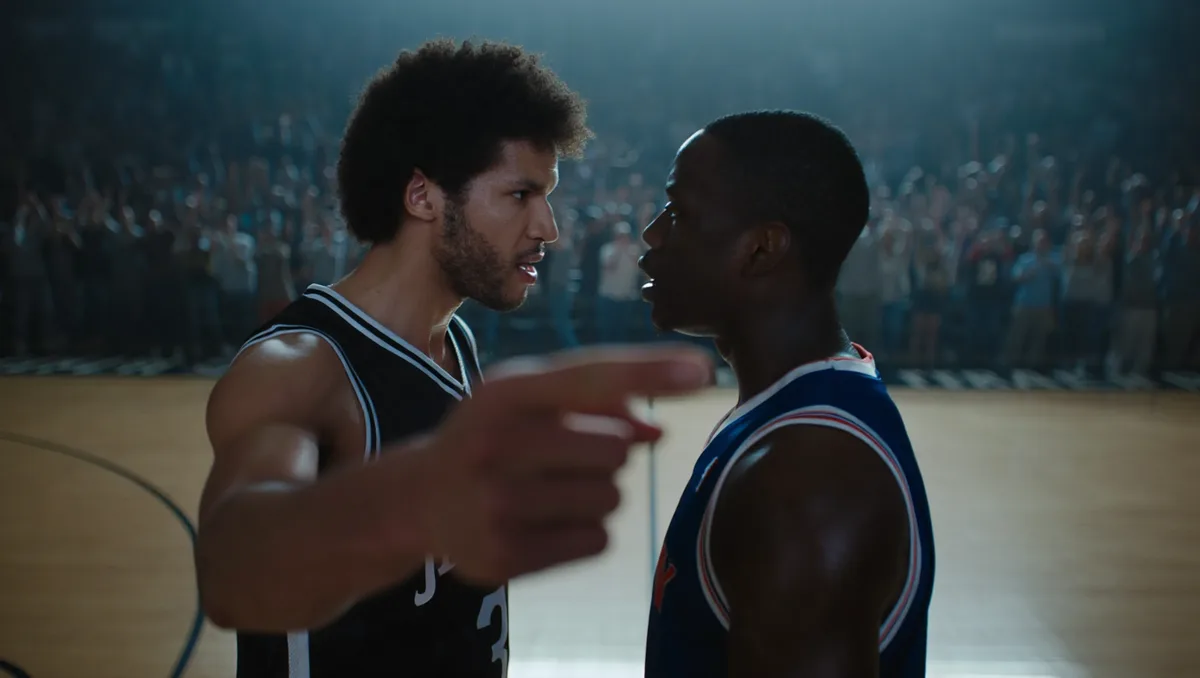
The WNBA is facing a fresh test over who controls the value of viral game moments after a heated on-court exchange involving Indiana Fever guard Sophie Cunningham became an instant sensation online. What began as a 22-second dispute with Phoenix Mercury veteran DeWanna Bonner is now at the center of a dispute over whether the league can monetize the clip.
The incident unfolded when Cunningham pointed at Bonner during a confrontation on the court; the gesture and the back-and-forth were captured on camera and quickly circulated across social platforms. The clip significantly raised Cunningham’s public profile, turning the moment into one of the season’s most-discussed highlights.
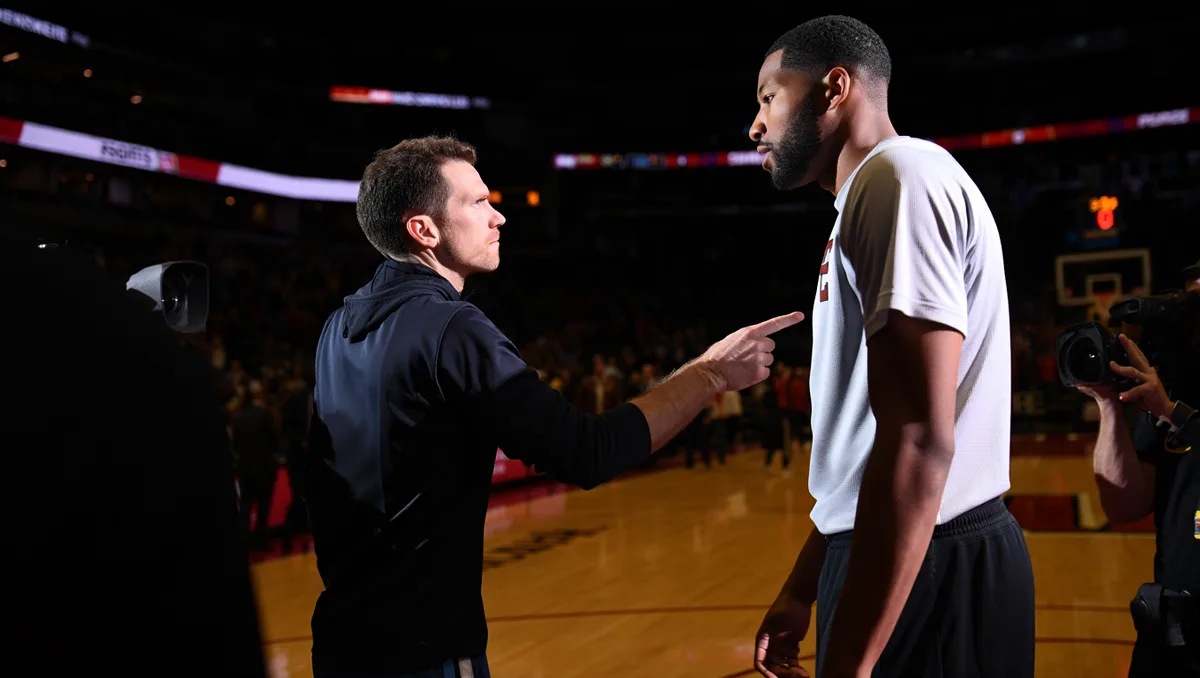
But commercial use of that footage appears to be off-limits for the league and its partners. According to a report in Front Office Sports shared by sports-business reporter Darren Rovell, the WNBA Players Association has told the league it cannot exploit the segment for merchandise or licensing because the gesture was deemed “derogatory.” That directive blocks the WNBA and its commercial partners from packaging the image or selling products that feature the moment.
Boxing champions ditch long runs for high-intensity training: new era in fight prep
Czech nationals among victims of Pinedale-area crash: two confirmed dead

That decision draws a clear line between viral exposure and monetization. A popular clip can boost a player’s visibility without automatically creating revenue streams for the league — especially when the Players Association asserts control over how a player’s likeness is used.
- For the player: The clip elevates Cunningham’s profile but gives her and the union leverage over commercial use.
- For the league: Restrictions limit merchandising opportunities and complicate how the WNBA packages memorable moments.
- For sponsors and partners: Brands that hoped to capitalize on the moment will need player consent or alternative assets.
- For fans and media: The footage remains newsworthy and shareable for editorial coverage, but not for product sales.
How this is interpreted in practice will matter. News outlets and commentators will almost certainly continue to show the clip in reporting — editorial use is distinct from commercial licensing — but any attempt to put the image on apparel, collectibles, or paid promotions would face the association’s prohibition.
| Entity | Can monetize the clip? | Notes |
|---|---|---|
| WNBA / League partners | No | Blocked by the WNBA Players Association as merchandising use is considered inappropriate for this moment |
| Sophie Cunningham / Player-approved deals | Possible | Player or her representatives could authorize commercial uses if they choose |
| Media outlets | Yes — for editorial use | News coverage and commentary can reference the clip; commercial merchandising differs legally and contractually |
Beyond the immediate dispute, this episode highlights a broader tension: leagues want to monetize attention-grabbing moments, while players and their unions seek control over how those moments are used to protect reputations and capture value. The matter could prompt clearer contractual language around viral content in future collective bargaining talks or licensing agreements.
What to watch next: whether the WNBA and the Players Association reach a compromise that allows limited commercial use, whether Cunningham herself pursues branded opportunities, and how other leagues and unions respond to similar viral incidents. For now, the clip remains a high-profile example of how social virality and intellectual property intersect in modern sports business.