Show summary Hide summary
The SEC once again dominates the preseason AP Top 25, supplying nearly half the rankings, but depth on paper doesn’t always translate to reliable seasons. Below are three teams I view as potentially overvalued heading into the campaign — squads that carry impressive résumés yet face clear structural risks that could undo preseason optimism.
#1 — Texas A&M
Mike Elko’s second season felt like a breakthrough: an 11-2 record and renewed energy around College Station. Still, the underlying performance raised questions that results masked.
Boxing champions ditch long runs for high-intensity training: new era in fight prep
Czech nationals among victims of Pinedale-area crash: two confirmed dead
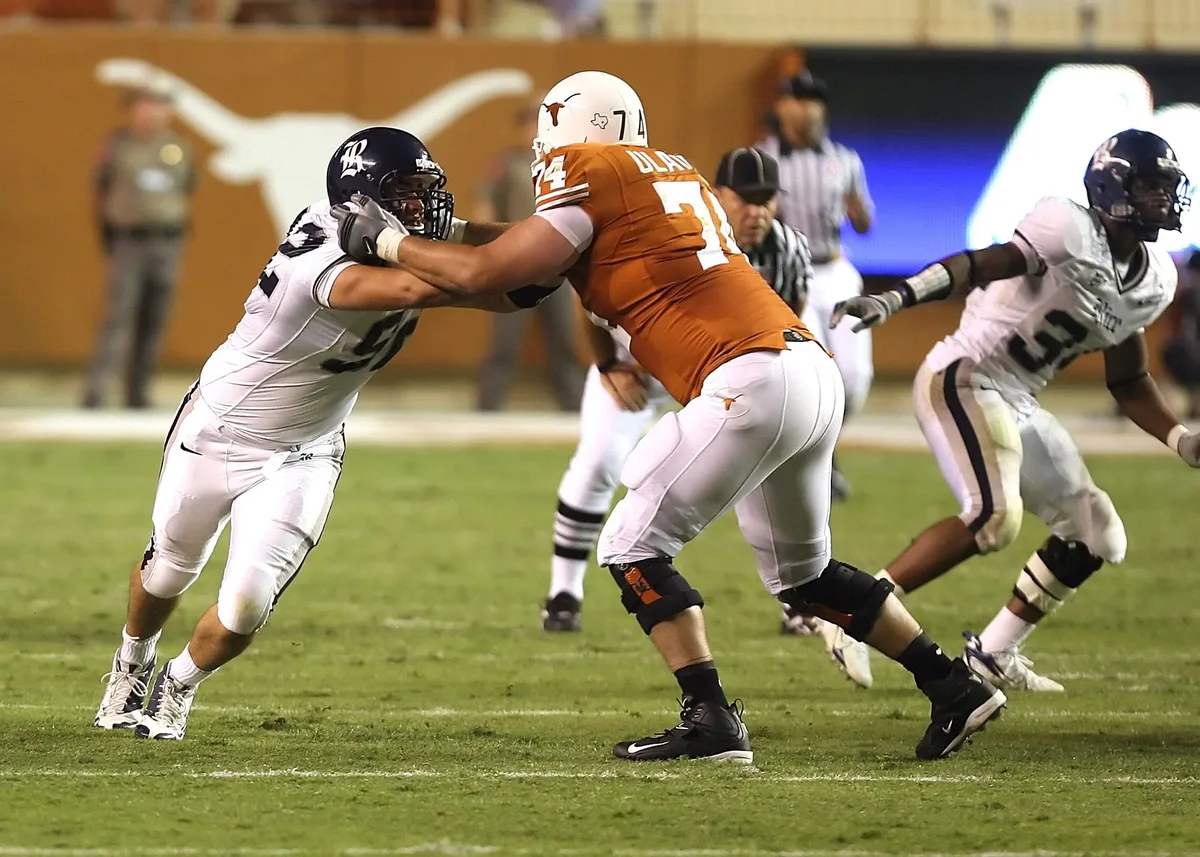
Two recurring problems stand out. First, the offensive line showed persistent breakdowns when opponents brought pressure, leaving the passing game exposed. Second, while the quarterback delivered enough to win, his production often looked safer than spectacular — effective in low-risk situations but vulnerable under duress.
With a tougher slate ahead, those weaknesses matter. If Texas A&M’s protection issues aren’t fixed, opposing defenses that can consistently force quarterback decisions will make wins harder to come by. The coaching staff’s progress must now be measured not by last year’s record but by whether the offense can sustain production against better SEC fronts.
#2 — Penn State
Penn State enters the year amid high expectations, but roster turnover and uneven offensive continuity temper enthusiasm.
The Nittany Lions’ identity has leaned on strong defense and timely running plays. When the offense stalls or turnovers increase, that reliance exposes the team to late-game swings. Quarterback consistency remains an open question — not necessarily a crisis, but enough uncertainty to make preseason placement precarious.
Conference games in the middle of the season will be revealing. If Penn State can’t transform short drives into sustained scoring or if scheme changes take longer to settle, this team could underperform relative to its ranking.
#3 — Ole Miss
It’s common for explosive offenses to earn early votes, and Ole Miss frequently benefits from that perception. Yet big-play potential can mask structural flaws that emerge over a long season.
Concerns include defensive inconsistency and questions about depth — especially on the line and at key positional backups. When opponents limit chunk plays, Ole Miss has at times struggled to grind out yardage in the middle phases of games. That raises the risk that narrow losses pile up once injuries or strategic adjustments test their depth.
- Texas A&M: Protection problems, QB under pressure, tougher 2026 schedule.
- Penn State: Offensive continuity concerns, reliance on defense, midseason conference tests.
- Ole Miss: Defensive lapses, depth questions, volatility behind a high-variance offense.
Why this matters now: preseason rankings shape narratives, ticket demand, and early betting markets. Teams that look strong on paper but harbor unresolved weaknesses can quickly fall out of contention, altering bowl projections and conference races.
What to watch in the coming weeks: offensive line play across the first month, quarterback decision-making under pressure, and how each coaching staff responds to early adversity. Those three indicators will tell whether these teams are rightly ranked or simply carrying preseason momentum that won’t last the full season.