Show summary Hide summary
Across Cuban neighborhoods, the rhythm of daily life has been reset by unreliable power: families and businesses now plan around brief, unpredictable windows of electricity that can arrive and vanish within hours. The disruption matters because it touches basic services—food storage, health care, communication—and shapes economic and social choices for millions.
Outages that stretch into multiple days are becoming a common reality in towns and cities, forcing households to adopt survival routines built on limited charge cycles and improvised alternatives. Residents say they monitor generators, conserve phone battery, and time chores to coincide with the few hours when lights and appliances return.
Daily life organized around short bursts of power
Boxing champions ditch long runs for high-intensity training: new era in fight prep
Czech nationals among victims of Pinedale-area crash: two confirmed dead
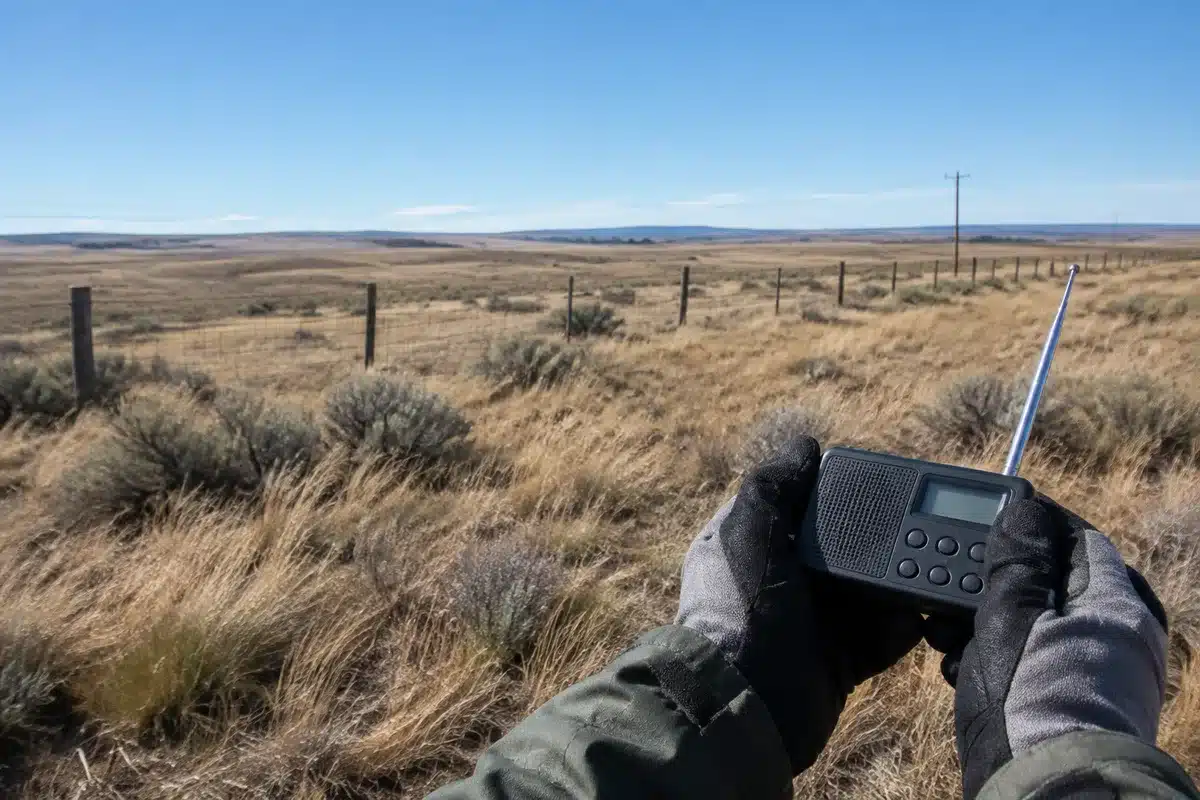
For many Cubans, a handful of uninterrupted hours each day now determines when to wash clothes, run refrigeration, or recharge a phone. Shops open only when they can operate cash registers and light displays; families use those windows to cook with electric stoves or to top up batteries for lanterns and radios.
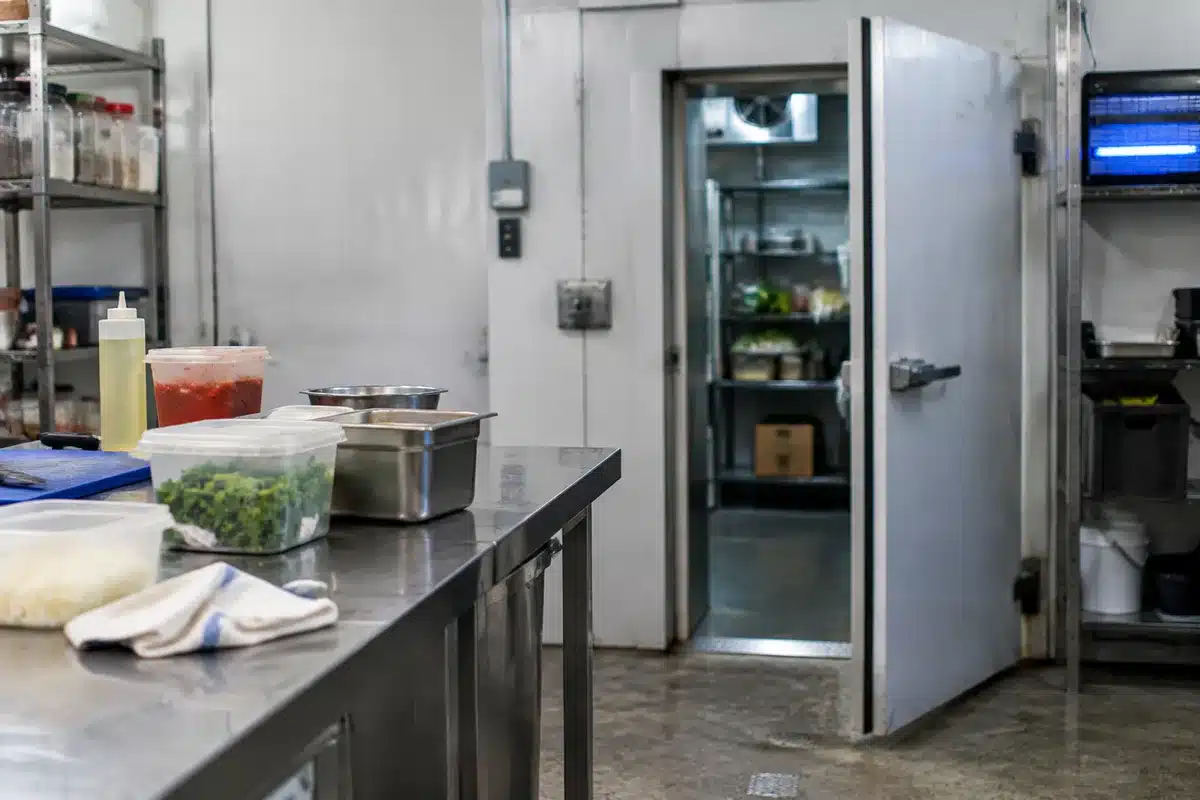
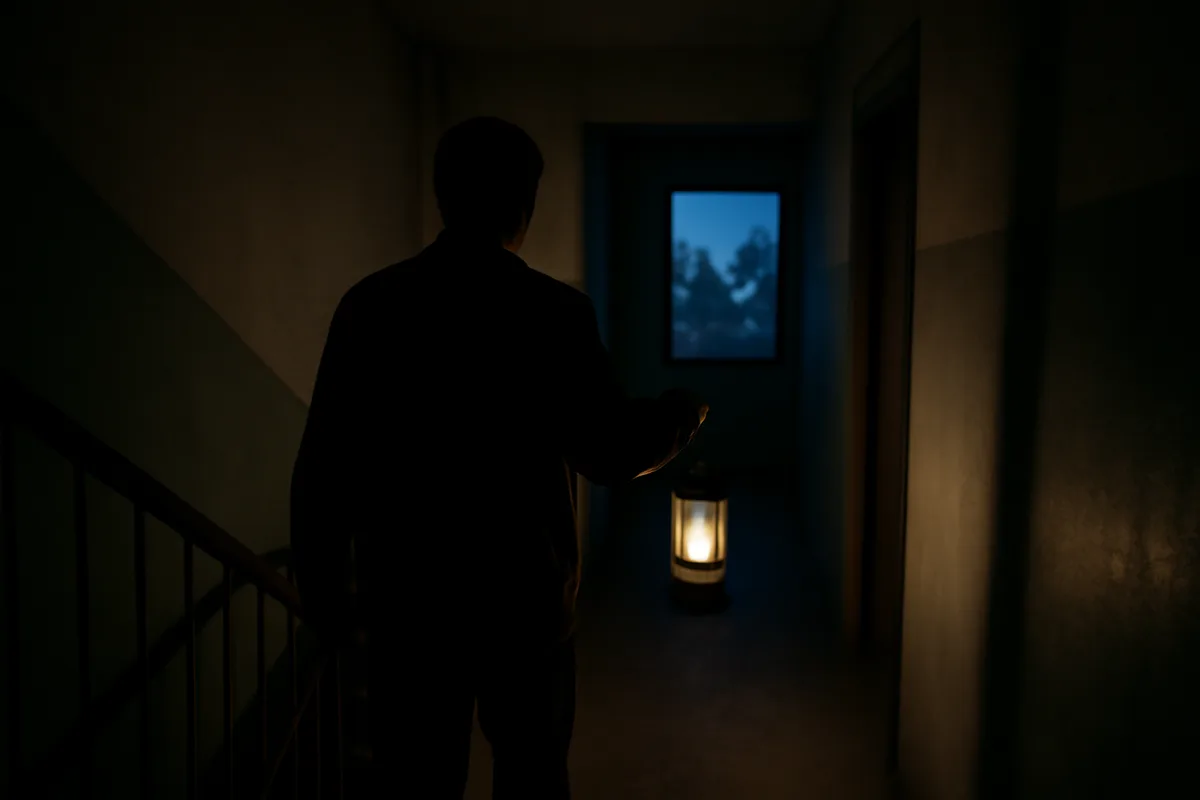
Because outages are irregular, people describe living with constant contingency plans rather than predictable schedules. In apartment buildings without backup systems, stairwells become dark, elevators stop working, and food that depends on refrigeration risks spoiling after repeated interruptions.
Public services and businesses feel the strain
Public transport and municipal services are affected unevenly: some areas cope with temporary closures, others operate with reduced hours. Small retailers and street vendors report lost income when consumers avoid shopping during blackout periods. The tourism sector also faces reputational risks when visitors experience sudden loss of air conditioning, hot water, or internet access in rental properties and hotels.
Government entities have implemented rotating cuts in affected regions to stretch limited generation capacity. Officials blame a combination of aging infrastructure and fuel shortages for the shortfalls; repairs and fuel deliveries are cited as the main levers to restore more stable service.
- Food security: Repeated interruptions increase the risk of food spoilage for households and businesses that cannot run refrigeration consistently.
- Health care: Hospitals rely on backup generators for critical systems, but intermittent power complicates routine care and diagnostic services.
- Communication: Brief windows of electricity mean people prioritize charging phones and routers, affecting internet access and emergency communication.
- Economic activity: Small enterprises face unpredictable operating hours and higher costs for fuel or rental generators.
Hospitals, clinics and emergency services
Medical facilities generally keep critical equipment running with auxiliary power, but prolonged outages raise concerns about maintaining full functionality for non-emergency procedures, refrigeration for medicines and vaccines, and post-surgery care. Clinics in more remote areas are particularly vulnerable when backup systems are limited or when fuel for generators runs short.
Local health officials urge residents to preserve medications that require refrigeration and to seek care immediately for urgent conditions, but the unpredictability of power complicates planning for both providers and patients.
How people are coping
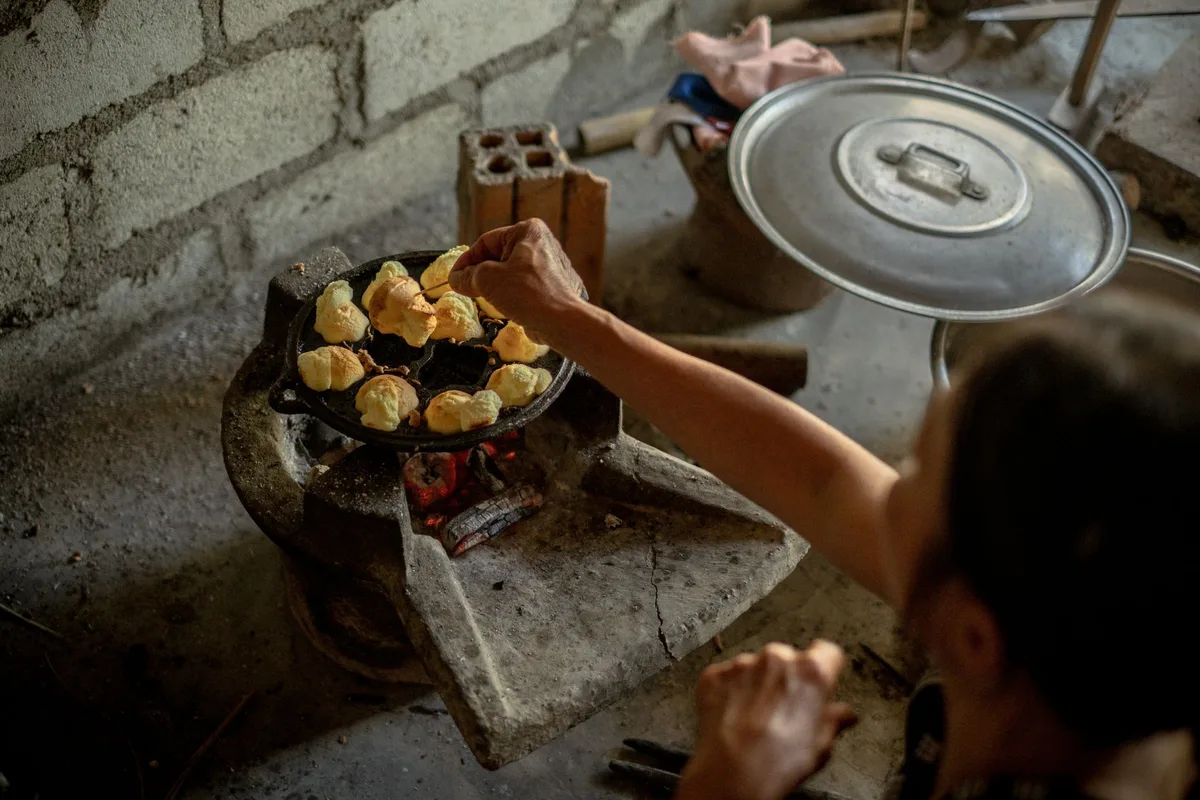
Adaptations range from low-tech solutions—lanterns, charcoal stoves, and manual fans—to community-level arrangements such as shared charging stations and coordinated generator use. Entrepreneurs have begun to monetize the gaps, offering paid phone-charging, food-cooling, and small-scale refrigeration services when power returns.

At the same time, reliance on diesel generators grows, creating additional expenses and environmental concerns for neighborhoods already coping with limited resources.
What to watch next
Short-term fixes hinge on timely fuel deliveries and targeted maintenance of aging plants. Longer-term stability will depend on investments in the grid, alternative energy deployment, and transparent scheduling that allows residents and businesses to plan. For now, the most pressing question for Cubans is how long this pattern of intermittent power will continue and what it will mean for daily life, health services, and the island’s fragile economy.