Islam Makhachev’s victory at UFC 330 in Philadelphia did more than add another name to his record — it shifted the conversation about where he stands in mixed martial arts today. In a night that offered few fireworks, the broader consequences for his legacy and the sport’s rankings were unmistakable.
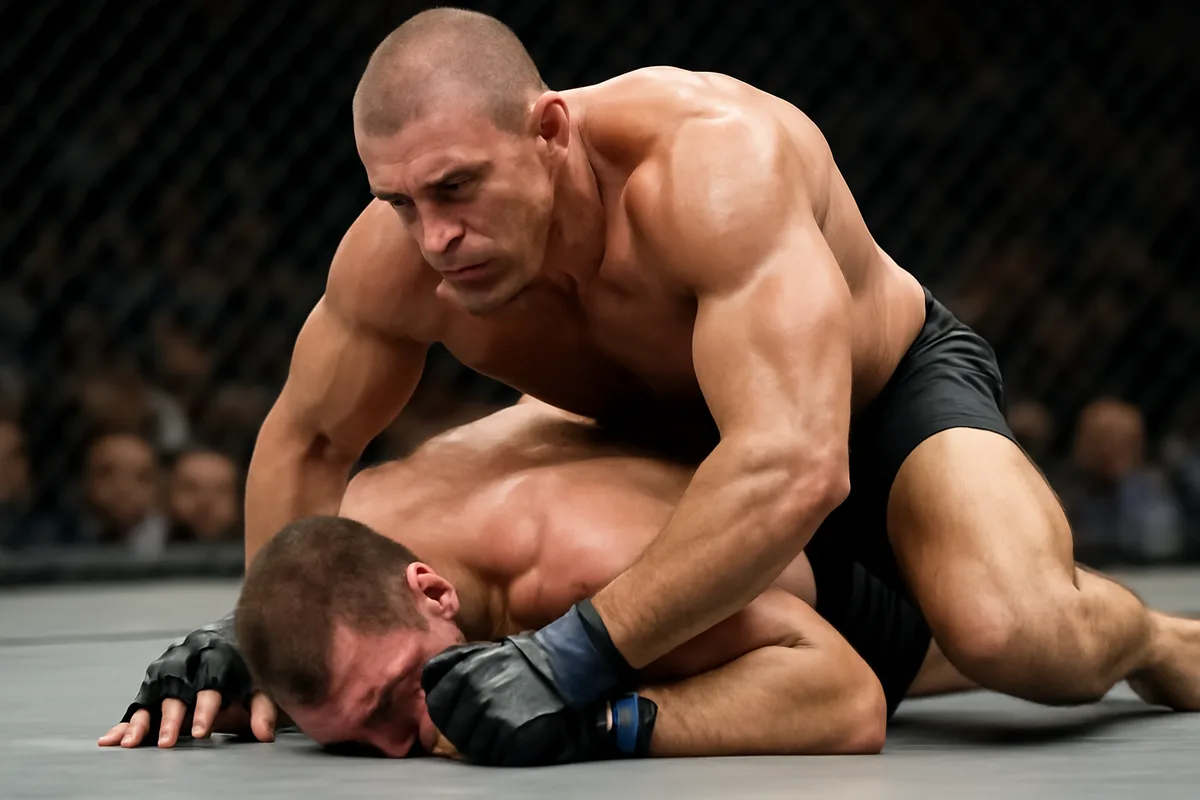
Makhachev looked composed throughout the main event, using a combination of tactical striking and dominant grappling to control the fight against Ian Machado Garry. The result was a routine title defense on paper, but its ripple effects run much deeper for how he will be discussed in years to come.
Several facts from the night crystallize why this matters now:
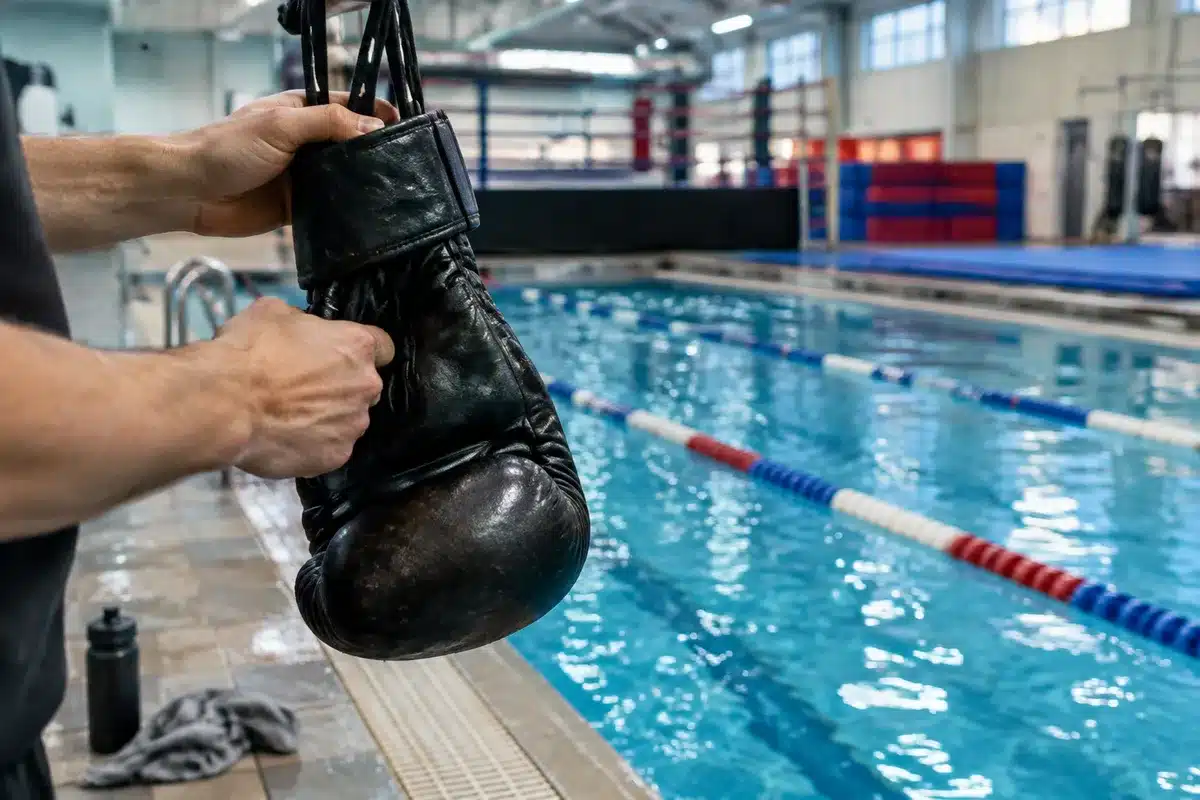
Boxing champions ditch long runs for high-intensity training: new era in fight prep
Czech nationals among victims of Pinedale-area crash: two confirmed dead
- Title continuity: He left the arena still champion, extending a run that began with his previous title win.
- Historical streak: The win extends an unprecedented run of consecutive victories inside the Octagon, giving him sole possession of a record long held by a previous era’s superstar.
- Immediate rankings impact: With other top contenders suffering recent setbacks, Makhachev’s position atop the pound-for-pound lists looks more secure.
Context matters here. Success in MMA is not only about capturing gold; longevity and the ability to defend a title are what separate the good champions from the great ones. A handful of fighters have taken belts in multiple divisions, but far fewer have managed to win a title and then successfully defend it in more than one class — names frequently raised in that rarefied discussion include Henry Cejudo and Amanda Nunes. Makhachev’s resume now places him inside that elite conversation.
There are two immediate, tangible consequences for the sport.
First, matchmaking and title implications shift. Promoters and contenders will now measure potential opponents against Makhachev’s growing list of achievements before staking claims to a title shot. Second, the pound-for-pound debate narrows: while other elite fighters have rightful claims, the combination of his unbeaten recent run and a defended title gives Makhachev a clearer argument as the current benchmark.
What the win changes — at a glance
- Consolidates his position among the era’s top athletes.
- Creates pressure on other champions to respond, either by moving divisions or accepting high-profile matchups.
- Raises questions about legacy: is he now in the conversation with all-time greats?
Those legacy questions are unavoidable. Comparing across eras—Jon Jones’ dominance at light heavyweight, Georges St-Pierre’s command of the welterweight division, Demetrious Johnson’s flyweight streak, Amanda Nunes’ multi-division reign, or Khabib Nurmagomedov’s undefeated run—always invites debate. Makhachev has not yet surpassed those careers, but his trajectory has him moving into the same frame of reference.
Practical limits remain. He will need continued success to match the longevity and breadth of some of the sport’s most decorated figures, and age and future opponents will influence how far that climb goes. Still, the recent win does two things simultaneously: it cements his status as the sport’s current standard-bearer and it opens the door to a serious all-time conversation.
For fans and analysts alike, the immediate takeaway is straightforward: Makhachev is not just winning — he is shaping a legacy. Whether he ultimately belongs in the same sentence as the sport’s greatest will depend on what comes next, but after UFC 330 there is no longer room to argue that he is anything but the man to beat right now.