Show summary Hide summary
The confirmed death toll from what local authorities describe as the deadliest strike on Ukraine so far this year has climbed to 38, as emergency crews continue search-and-rescue operations and hospitals treat dozens of wounded. The attack — which hit a populated area overnight — has renewed concerns about civilian safety and the capacity of Ukraine’s air defenses.
Immediate fallout: rescue, hospitals and damage
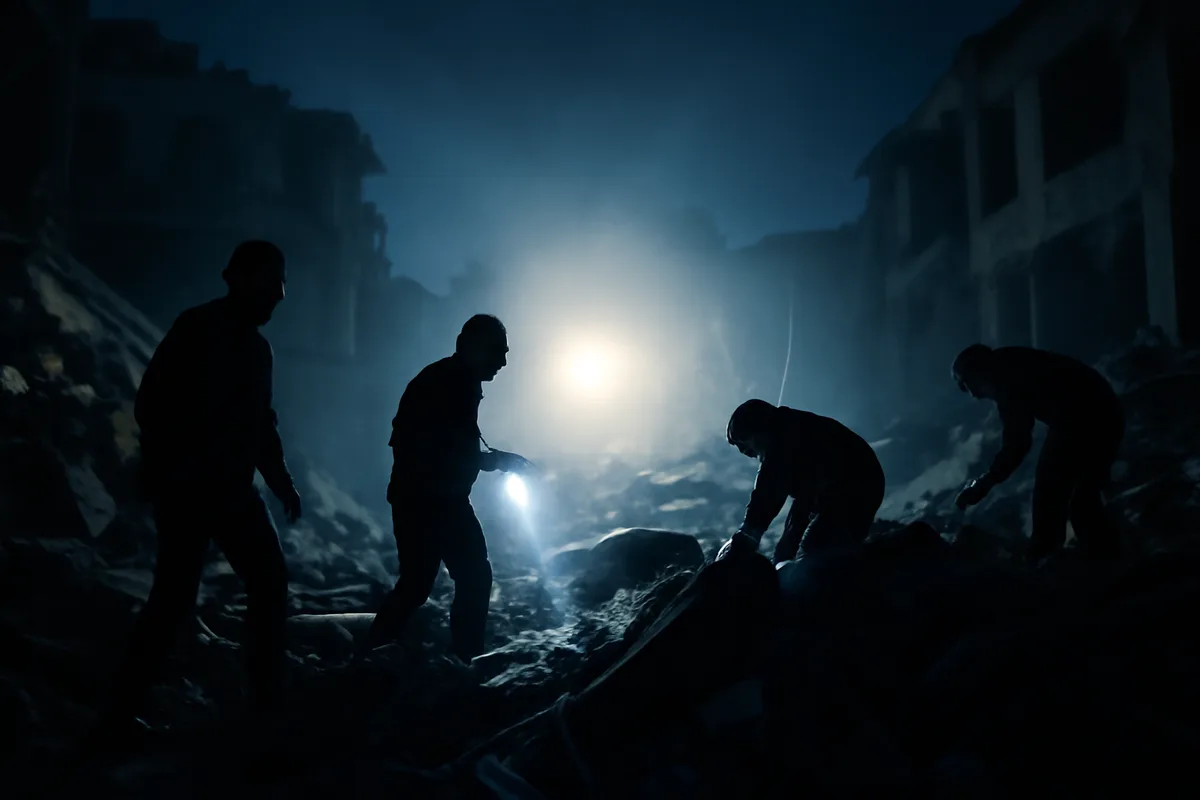
Rescue teams reported recovering victims from collapsed buildings and rubble, while hospitals in the area said they were treating people with blast injuries and shrapnel wounds. Officials say dozens more have been injured, and several residential blocks were left uninhabitable after the strike.
Boxing champions ditch long runs for high-intensity training: new era in fight prep
Czech nationals among victims of Pinedale-area crash: two confirmed dead
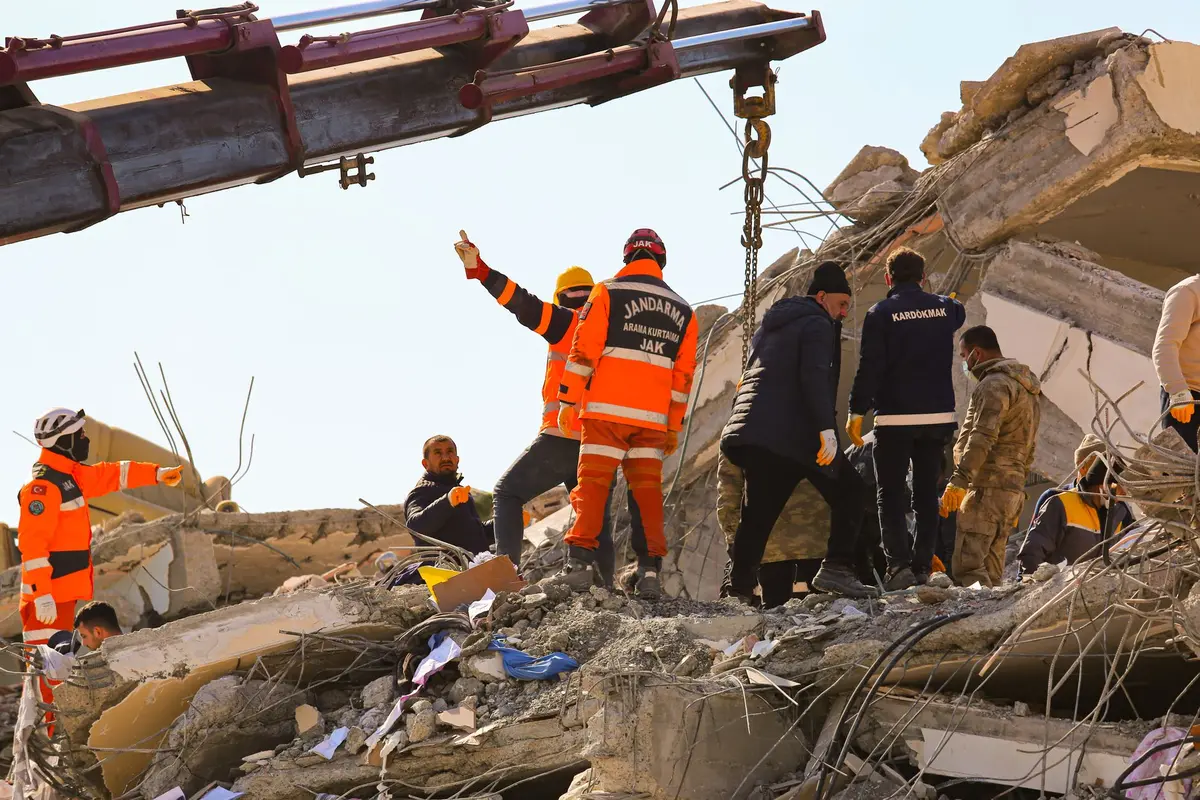
Emergency responders described chaotic scenes at the site, with power outages and damaged roads hampering access to some neighborhoods. Local authorities have opened temporary shelters for families whose homes were destroyed.
- Deaths: 38 confirmed, according to local officials.
- Injuries: Dozens hospitalized; some in critical condition.
- Infrastructure: Multiple residential buildings damaged; power and water outages reported.
- Humanitarian: Temporary shelters established; relief teams mobilized.
Why this matters now
The scale of casualties marks a grim escalation in civilian harm this year. Beyond the immediate human cost, the strike raises questions about whether Ukraine’s air defenses are keeping pace with the volume and precision of incoming strikes — a live concern for cities across the country.
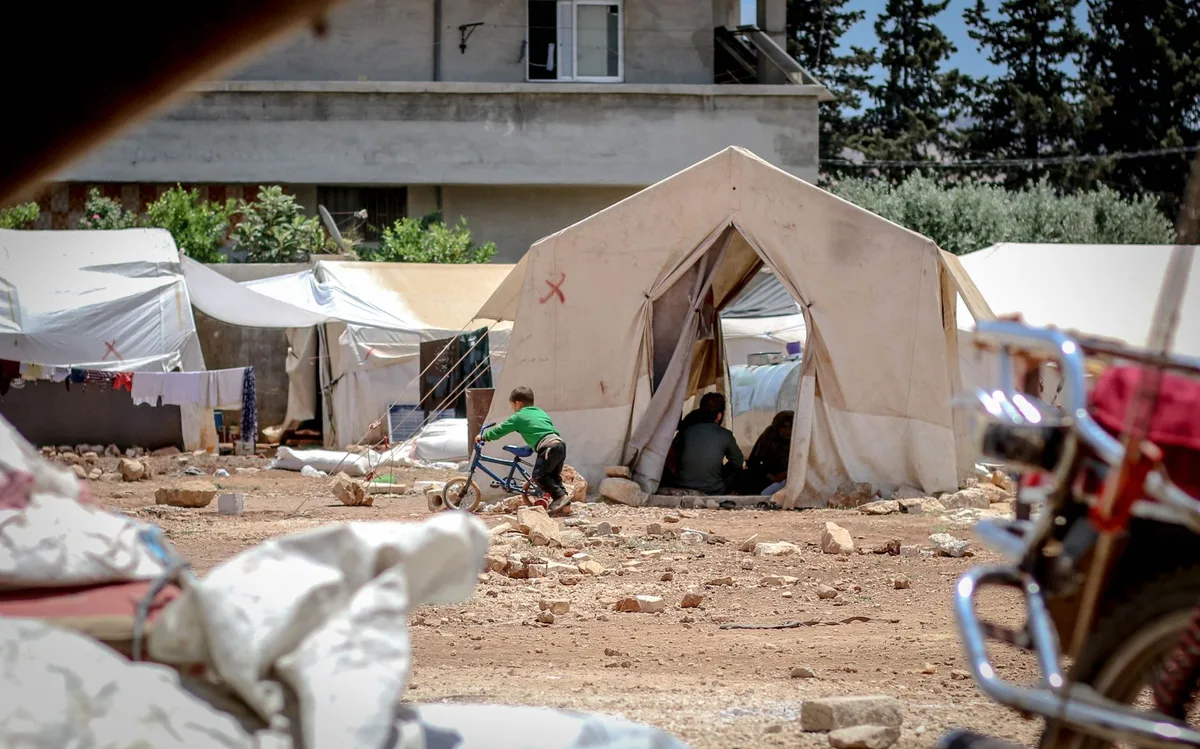
For residents, the attack produces lasting consequences: lost homes, overwhelmed local services, and increased displacement. For policymakers and international partners, it sharpens debate about military aid, air-defense systems, and the urgency of measures to protect civilians.
Official responses and international reaction
Local government officials blamed Russian forces for the strike; Moscow had not issued an immediate response at the time of reporting. Ukrainian leaders called for rapid international assistance for the affected communities and renewed supplies to bolster air defenses.
Several Western capitals and international organizations expressed condemnation and called for investigations into the attack. Humanitarian groups warned that more assaults on populated areas would deepen an already severe civilian crisis.
What to watch next
Key developments to follow in the coming days include updates on the casualty count as rescue operations conclude, official investigations into the weaponry and targeting, and whether international partners will accelerate deliveries of air-defense equipment.
The longer-term implications hinge on whether this incident remains an isolated spike in civilian deaths or signals a broader pattern of increasingly destructive strikes. For now, families in the affected area face urgent needs: shelter, medical care and restoration of basic services.
Authorities have appealed for donations of emergency supplies and volunteer support, while investigators work to document the damage and collect evidence. As details emerge, officials expect the confirmed figures and the scope of relief efforts to change.