
Show summary Hide summary
This summer’s prolonged heat and scant rainfall are straining Europe’s freshwater systems, pushing rivers, lakes and fish farms into an increasingly fragile state. The consequences are immediate for wildlife and communities that rely on clean, cool water — and could ripple into food supplies and local economies if conditions don’t improve.
Low flows, warm water: a dangerous combination
When streams shrink and reservoirs drop, oxygen levels fall and water temperatures climb — a lethal mix for many freshwater species. Species adapted to cold, fast-flowing habitats are especially vulnerable, while warmer, low-oxygen conditions favor harmful algal growth and disease outbreaks.
Boxing champions ditch long runs for high-intensity training: new era in fight prep
Czech nationals among victims of Pinedale-area crash: two confirmed dead
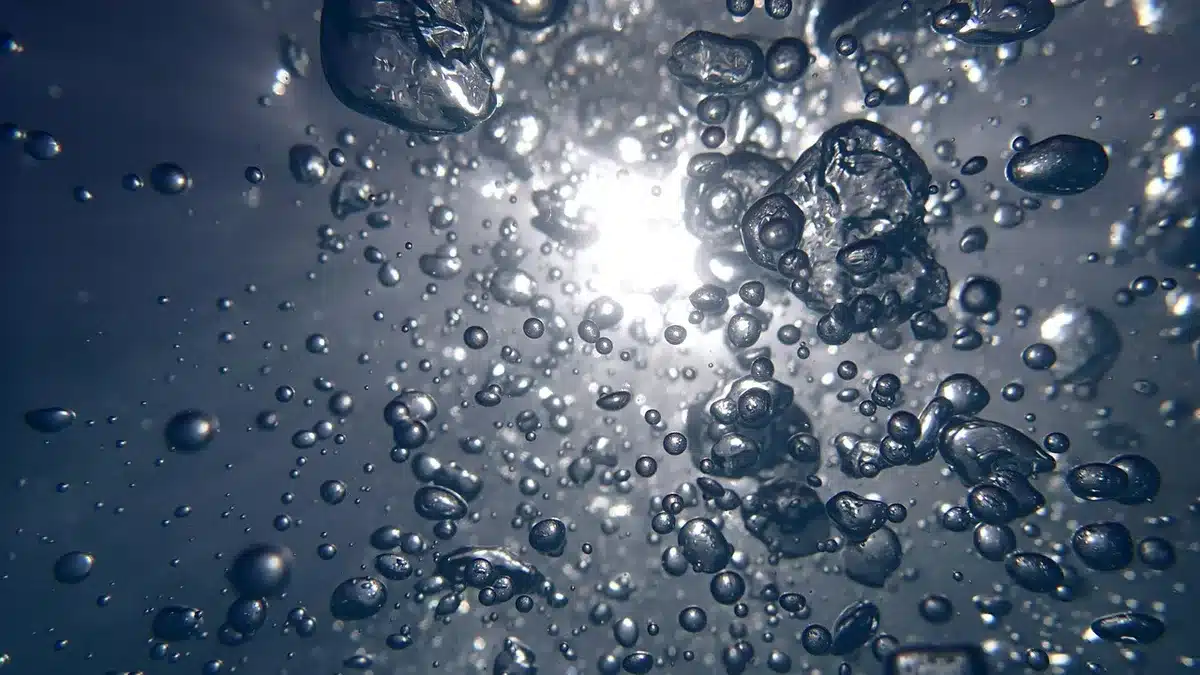
Across several regions, fisheries managers and environmental groups have reported rising incidents of mass fish distress and die-offs. Lower water also concentrates pollutants, meaning contaminants that would normally be diluted can reach levels that further stress aquatic life.
Where the stress is showing most
Impacts are uneven but widespread: mountain-fed streams that depend on spring runoff, lowland rivers with heavy agricultural demands, and shallow lakes that heat quickly are all at risk. Mediterranean countries face chronic shortages, but unusually dry conditions this year have pushed parts of Western and Central Europe into similar pressure zones.
- Wild rivers: reduced flow fragments habitats and limits fish movement, making populations less resilient.
- Lakes: warmer surface layers promote blooms and reduce suitable habitat for cold-water species.
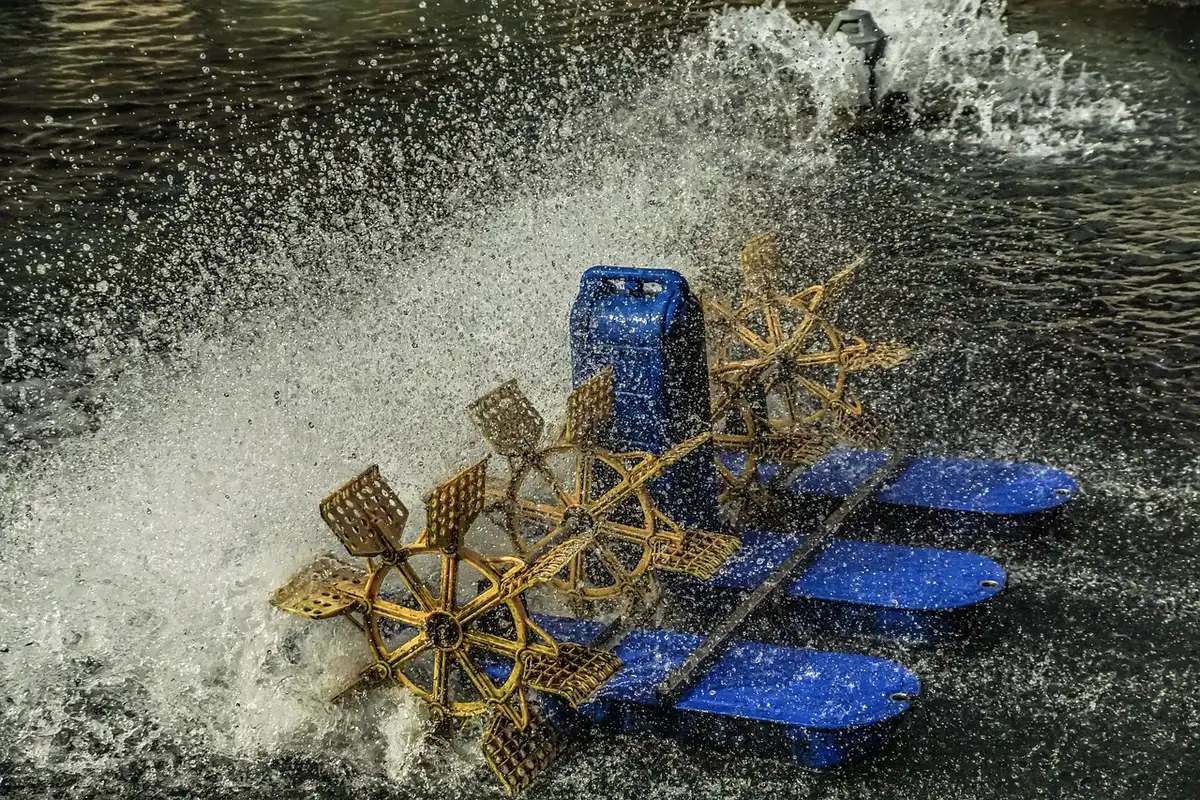
- Fish farms: fewer aeration options and contaminated intake water increase mortality and disease risk.
On the farms and in the rivers: practical consequences
Commercial fish producers are confronting higher operating costs and, in some cases, stock losses. To keep oxygen levels up, farms may need more mechanical aeration or to reduce stocking density — measures that cut profit margins and can limit supply.
Recreational and small-scale fisheries feel the effects too. Local closures or emergency restocking bans are being imposed to conserve surviving populations, and communities that depend on angling-related tourism may see revenue drops if fisheries degrade.
What authorities and managers are doing now
Water agencies are deploying short-term measures to reduce immediate harm: targeted releases from reservoirs to sustain critical river reaches, temporary restrictions on water abstraction for irrigation, and coordinated interventions to move fish out of dangerously low pools.
Some responses are controversial. Releasing stored water can relieve acute stress downstream but may leave reservoirs depleted ahead of autumn. Balancing agricultural needs, urban water supply and ecosystem health has become a day-to-day challenge for planners.
Longer-term stakes and what to watch
If warm, dry summers become more frequent, as climate projections indicate, freshwater ecosystems will face recurring episodes of collapse and recovery — with recovery windows narrowing. That raises the risk of lasting changes in species composition, with cold-water specialists replaced by tolerant generalists or invasive species.
There are practical actions that reduce vulnerability: improving river connectivity so fish can find cooler refuges, restoring riparian vegetation to shade water, and managing catchments to retain groundwater and slow runoff. But most of these measures require planning, investment and cross-sector coordination — things that are often in short supply during crisis moments.
How this affects readers
For people living near threatened waterways, reduced water quality can mean fewer fishing opportunities, impacts on local food producers, and heightened risk of unpleasant algal blooms in spots used for recreation. Municipal water systems may face tighter restrictions if reservoir levels continue to fall.
- Expect potential price fluctuations for locally raised fish and shellfish.
- Check local advisories before fishing or bathing; authorities may issue temporary bans.
- Support for river restoration and sustainable water use policies can speed recovery over the long term.
As the season progresses, scientists and water managers will be watching streamflow gauges, reservoir stocks and temperature records closely. Short-term fixes can blunt immediate damage, but the pattern this summer underscores a broader need to adapt how Europe manages water — both to protect biodiversity and to secure livelihoods that depend on healthy freshwater systems.