Show summary Hide summary
At UFC Paris on Saturday, a single moment reignited a long-running argument in sports: how far should athletes be allowed to celebrate? The answer matters because what happens inside the cage can prompt regulatory scrutiny, shape fan expectations and influence how fighters present themselves on a growing global stage.
The question of post-win behavior isn’t unique to mixed martial arts; it follows every high-profile competition where emotion meets performance. In MMA, however, the intensity of fight camps, the physical toll of weight cutting and the raw finality of a knockout often produce displays that sit uneasily between jubilation and provocation.
What unfolded in Paris
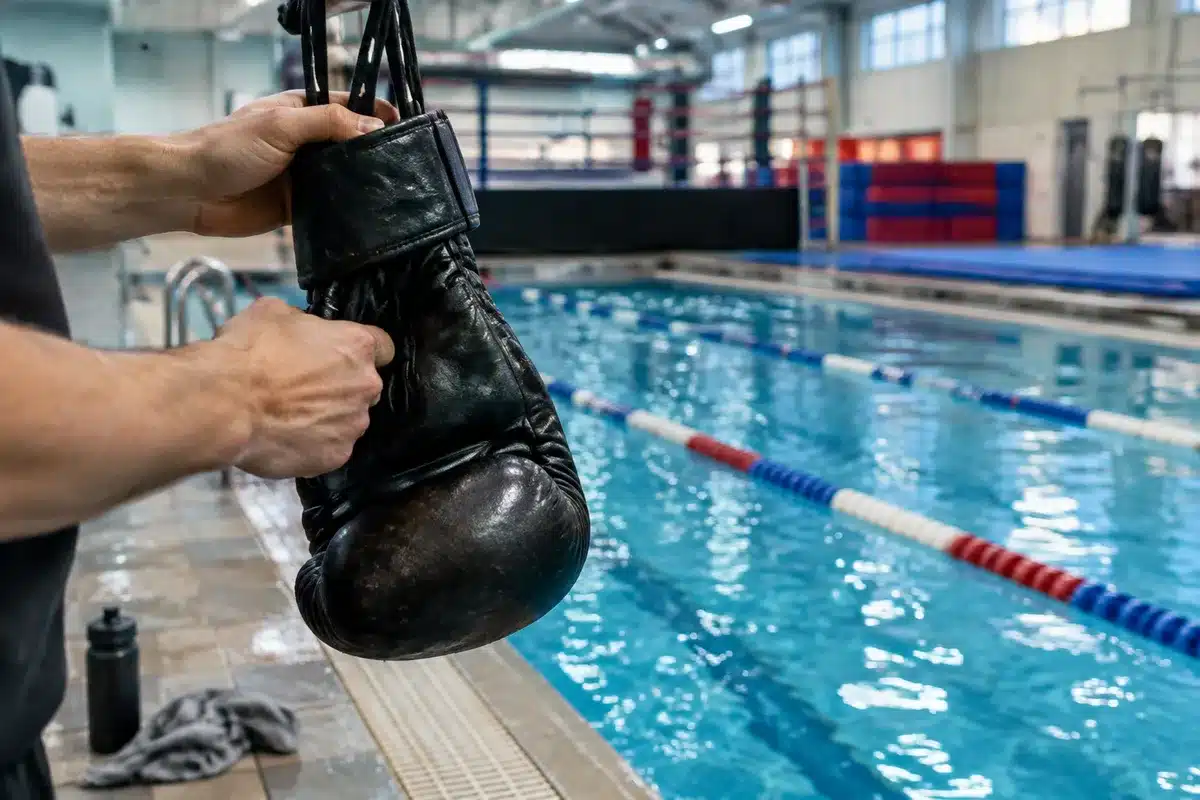
Boxing champions ditch long runs for high-intensity training: new era in fight prep
Czech nationals among victims of Pinedale-area crash: two confirmed dead
After landing a first-round knockout, Losene Keita did something many fighters do: he exited the cage. But his actions after that departure were unusual. Keita sprinted past officials and journalists, headed to an empty block of seats near the crowd, took one of the chairs and—rather than address the fans or his team—applauded his own performance from the stands.
The gesture was brief and odd enough to draw immediate attention. It also touched on an ongoing regulatory debate: how much leeway the commissions and promotions should grant athletes in moments of high emotion. Notably, climbing out of the cage has been at the center of previous controversies, prompting athletic bodies to weigh safety and decorum against a fighter’s right to celebrate.
Why this matters beyond a viral clip
There are several concrete stakes here. For regulators, unusual celebrations can be safety risks or optics problems that demand new guidance. For promotions, moments like Keita’s can inflate a fighter’s profile—but also generate criticism. And for fans, such actions reshape expectations around what’s acceptable showmanship.
- Regulatory impact: Commissions may clarify rules on cage exits and ringside movement.
- Promotional consequences: Unique celebrations can boost ticket sales and viewership—but can also trigger fines or warnings.
- Fan response: Reactions vary widely, from amusement to calls for sanctions, influencing a fighter’s public image.
Veteran observers say emotional release is natural after months of training and the adrenaline of competition. At the same time, critics argue that certain displays risk disrespecting opponents or creating unsafe situations for officials and media working at ringside.
How this fits a larger pattern
MMA history is full of memorable post-fight moments that blurred the line between celebration and spectacle. They help explain why a short, self-directed clap in Paris would provoke both laughter and debate.
| Fighter | Signature Celebration |
|---|---|
| Chuck Liddell | Primal scream to punctuate decisive finishes |
| Tito Ortiz | Symbolic gestures aimed at defeated opponents |
| Israel Adesanya | Bow-and-arrow pose after major victories |
| Tai Tuivasa | Drinking from a boot in celebration |
| Jorge Masvidal | Over-the-top theatrics following a highlight knockout |
Those examples show how celebrations can become part of a fighter’s brand or legacy. They can cement a moment in cultural memory—or draw scrutiny from commission officials and broadcasters stepping in to manage on-air conduct.
Ultimately, Keita’s clap in an empty seat is a small incident with outsized resonance because it brings familiar questions back into focus: where to draw the line between personality and professional responsibility, and who gets to set that standard. Expect the conversation to continue as commissions review footage and fans keep debating the balance between spectacle and sportsmanship.