
Show summary Hide summary
Kevin McGonigle enters the final stretch as the heavy favorite for the American League Rookie of the Year, but Cleveland right-hander Parker Messick has compiled a rookie season that makes the race more competitive than the betting lines suggest. With ballots being sealed soon and postseason narratives forming, both the numbers and recent form matter for how voters will decide.
Two different resumes, similar value
Kevin McGonigle has been a steady everyday presence for the Detroit Tigers, producing a line of .276/.376/.425 and leading all AL position players with 6.9 bWAR. His bat and plate discipline have marked him as a long-term building block for the franchise, which helps explain why bookmakers have installed him as the near-certain selection at odds of -10000.

But wins in award voting don’t always follow simple narratives. Parker Messick has emerged as Cleveland’s top arm in his first full big-league season, posting 183.1 innings with a 2.55 ERA, 191 strikeouts and 6.2 bWAR. Messick’s season-long consistency — and the fact he could finish among the top vote-getters in the AL Cy Young race — complicates the idea that the Rookie honor is already decided.
NFL week 9 fallout: Burrow surges, Williams breaks out, Rams face new questions
Wy Fresh signals exit: will sell property and relocate if city annexes its land
How the numbers stack up
Below is a concise comparison of their most relevant rookie-season figures through the regular season.
- Kevin McGonigle (Tigers) — .276/.376/.425, 6.9 bWAR, everyday position player, heavy favorite (‑10000).
- Parker Messick (Guardians) — 183.1 IP, 2.55 ERA, 191 K, 6.2 bWAR, 12–9 record, second-best odds (+1700) and potential top-three Cy Young finisher.
These raw totals show only part of the picture. Voters weigh role, impact in high-leverage moments and narrative — and on those fronts Messick has built a persuasive case.
Form and context matter now
Over the last 10 starts, Messick has a 2.48 ERA, a stretch that coincided with Cleveland pushing into playoff position. That kind of late-season performance tends to stick in voters’ minds, especially when a rookie is reliably anchoring a pitching staff.
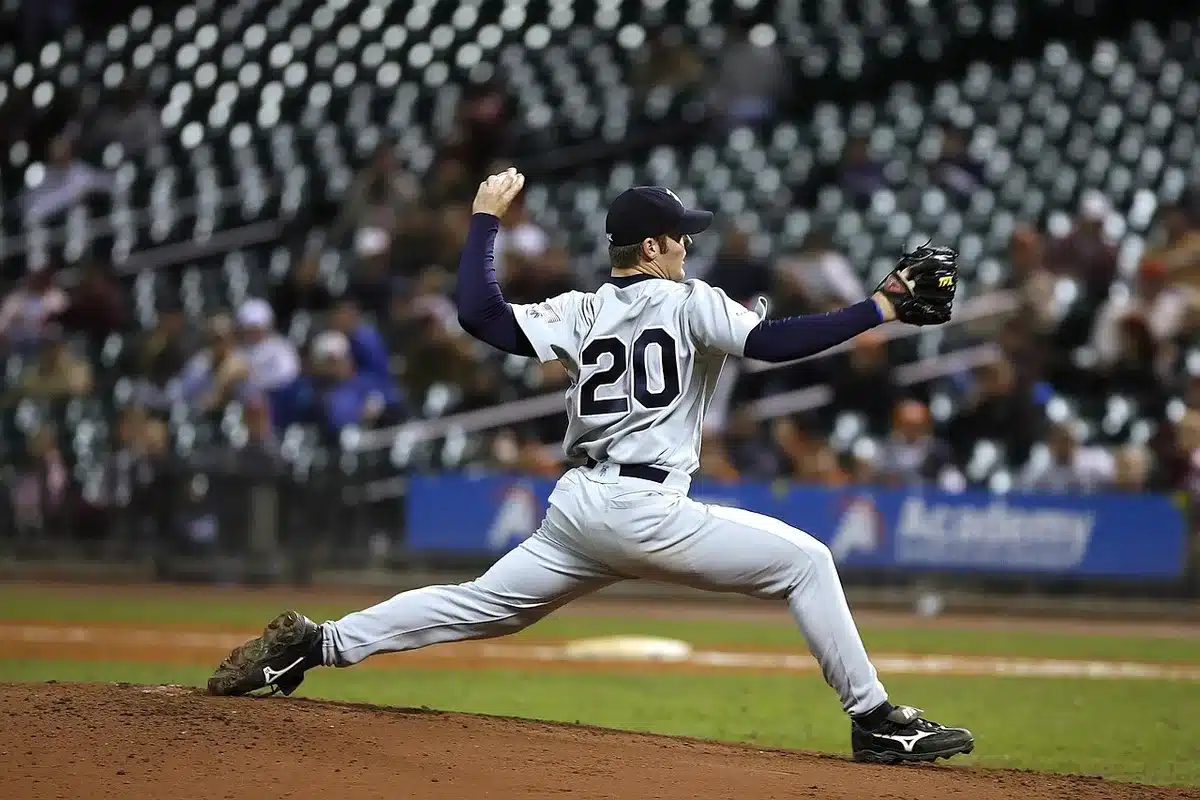
McGonigle’s production has cooled slightly down the stretch; his OPS over recent weeks is around .776 and projects to finish under .800 for the season. In a late-season series against Cleveland he managed just three hits, one of them for extra bases, as Detroit was swept — a small sample but not the momentum swing a close award contest benefits from.
Why the gap feels wider than it is
Part of the disparity in public conversation comes from perception. Everyday position players often generate more sustained name recognition than pitchers, who can be judged on a handful of starts. Betting markets reflect that attention: McGonigle’s massive favorite status tells us where money and sentiment lie, not necessarily where every voter will ultimately put their first-place vote.
Still, historical voting patterns, the visibility of daily at-bats, and McGonigle’s clear offensive value make him the likely winner. Messick’s case is stronger than many observers acknowledge, though — particularly if voters reward late-season impact or give extra credit to a rookie who also factors in the Cy Young conversation.
The final ballots will show whether voters stick with the early consensus or recognize Messick’s two-way claim: a frontline starter on a playoff-hopeful club. Either outcome will reflect how the baseball community values position-player steadiness versus pitching-driven dominance at the rookie stage.