Show summary Hide summary
The image of a fighter sprinting up a museum staircase has long symbolized the old-school path to ring fitness, but top-level combat athletes are increasingly rethinking that ritual. With careers and joints at stake, many champions now favor targeted, lower-impact conditioning that better mirrors the unpredictable demands of a fight.
Combat sports require more than a strong steady-state engine. Between explosive flurries, clinches, takedown battles and recovery under pressure, athletes need the ability to rebound quickly after high-intensity efforts — a quality not guaranteed by miles on the road. That practical mismatch has prompted several elite fighters to reshape how they build endurance.
From roadwork to ring-ready conditioning
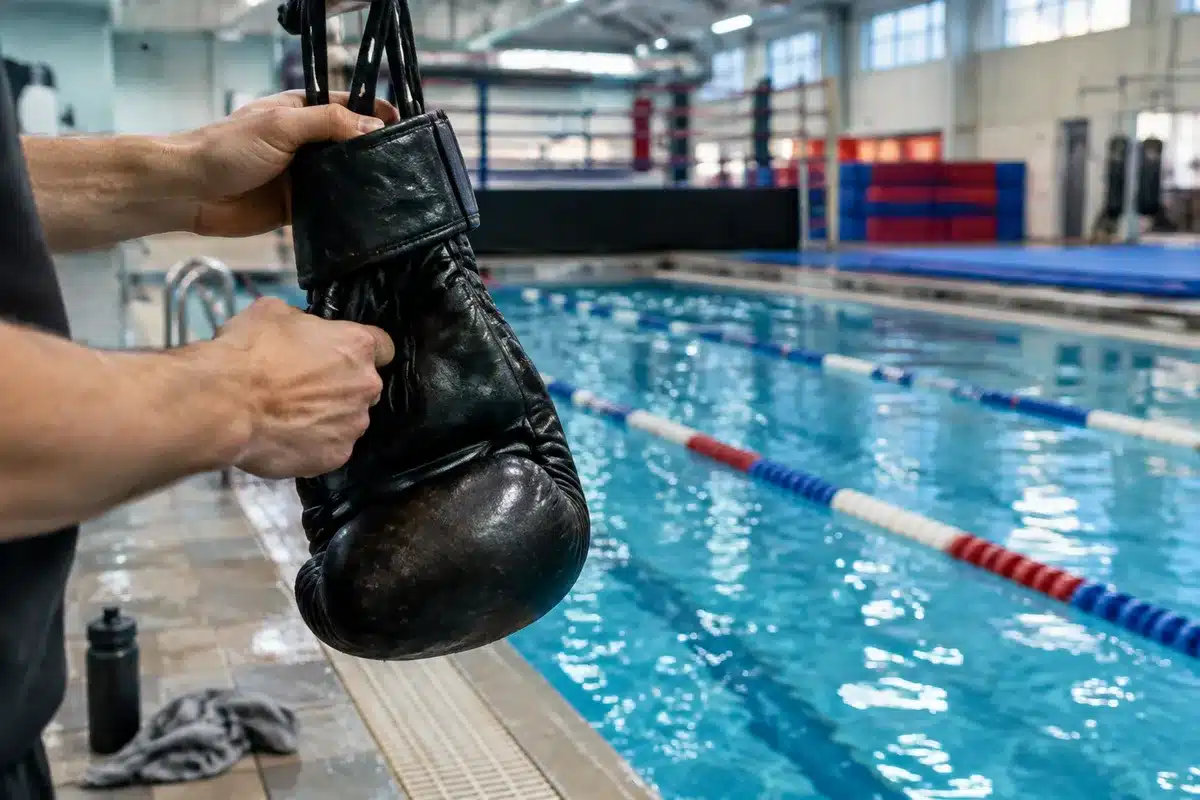
Former UFC welterweight champion Kamaru Usman provides a clear example. Limited by knee problems, he spent long stretches without traditional running yet remained famed for an unforgiving pace in fights. Rather than long jogs, he emphasized training sessions that matched the speed and intensity of competition — repeated wrestling rounds, fast striking drills and sparring done at near-fight tempo. He has also used pool sessions as a way to maintain stamina while protecting his joints.
Boxing champions ditch long runs for high-intensity training: new era in fight prep
Czech nationals among victims of Pinedale-area crash: two confirmed dead

Heavyweight contenders have pushed the same idea from different angles. Deontay Wilder built much of his conditioning around water-based workouts, preferring swimming and resistance training in and around his lake to the repetitive impact of roadwork. Wladimir Klitschko, after years of distance running, shifted toward training that imitated boxing’s specific movement patterns and increased sparring volume. Both men argued that maintaining ring pace mattered more than chasing long-distance fitness numbers.
How modern training matches the sport
Boxing and mixed martial arts are stop-start by nature. Fighters rarely need to sustain a single steady pace for long periods; instead they must launch repeated bursts, defend, and recover while under assault. That makes sport-specific conditioning — activities that replicate these demands — especially valuable.

Alternatives to traditional running do not necessarily replace the need for a solid aerobic foundation. They aim to supplement or recreate it in ways that develop the capacity to recover between efforts and tolerate the unique stresses of combat. For example, wrestling rounds, intense pad work, and short, repeated sparring sequences train breath control, lactic tolerance, and positional recovery in a context a distance run cannot.
- Swimming and pool work — Builds cardiovascular fitness with minimal joint impact; useful for athletes managing accumulated wear.
- High-intensity pad sessions — Mimic fight tempo and combination output while forcing rapid recovery.
- Wrestling/grappling rounds — Develop sport-specific endurance, grip and positional stamina under pressure.
- Circuit and conditioning drills — Combine strength and metabolic stress to improve repeated-exertion capacity.
- Roller skiing and low-impact cross-training — Maintain aerobic work without pounding the pavements; used by some boxers to spare knees.
Young fighters and longevity
Some rising and established athletes are treating conditioning as an integrated byproduct of heavy, purposeful training rather than a separate commodity. UFC bantamweight Merab Dvalishvili, known for a relentless output, has spoken about prioritizing a high weekly training volume — wrestling, grappling and intense rounds — with running or swimming added when needed rather than forming the backbone of his program.
Vasiliy Lomachenko’s evolution shows the longevity case: after years of frequent runs he scaled back to lower-volume roadwork and introduced roller skiing to ease joint stress. For fighters looking to extend careers, that tradeoff — preserving long-term mobility while sustaining performance — can be decisive.
What this means for fighters and coaches
The takeaway is not that running is obsolete. Roadwork still has practical uses for building an aerobic base, mental toughness and recovery capacity. But the blanket belief that miles on the road are the only route to fight-ready endurance is fading.
Coaches and athletes are now weighing individual needs: injury history, training load, technical demands and calendar spacing. Those factors determine whether long runs, pool sessions, sport-specific rounds or a hybrid plan is the best path to peak condition.
In short, modern fighters are treating conditioning as a toolbox rather than a one-size-fits-all ritual. The goal remains the same — to keep fighting effectively when opponents tire — but the methods are becoming more varied, targeted and mindful of career longevity.