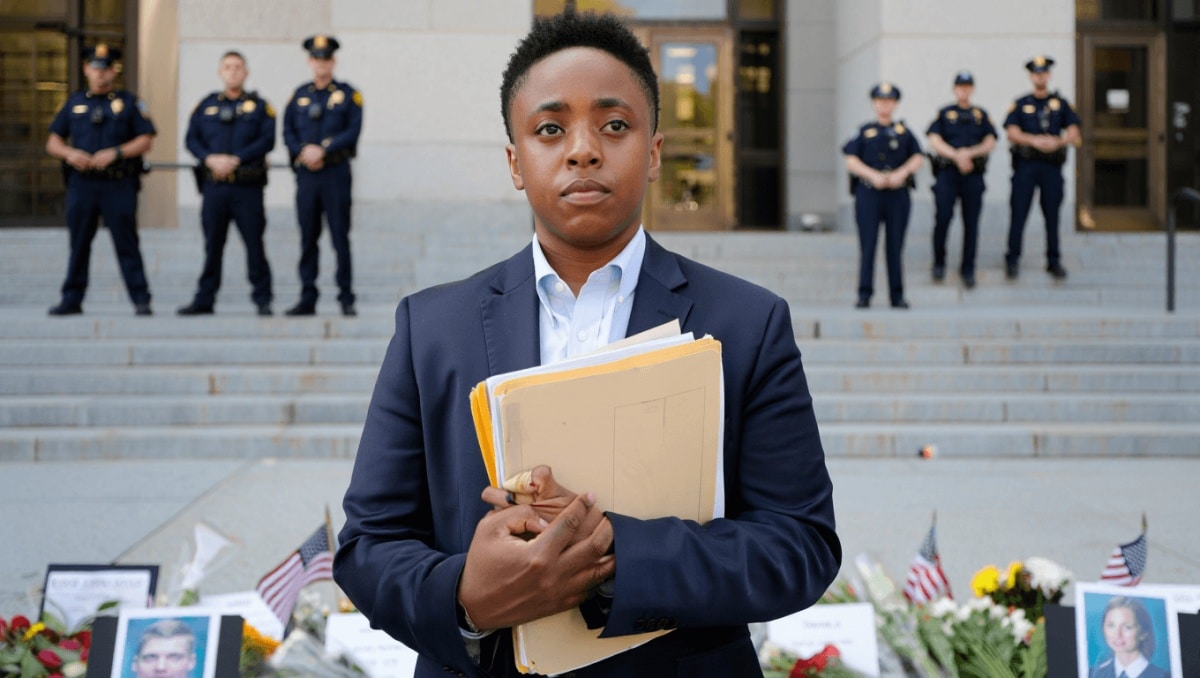
Minnesota prosecutors asked a federal court on Tuesday to force the Trump administration to hand over evidence they say is essential to independent probes of three shootings involving federal officers — including two fatal incidents that have inflamed tensions in the Twin Cities. The suit accuses the federal government of backtracking on promises to cooperate after the Operation Metro Surge deployments and seeks a judge’s order compelling full access to case files and footage.
Hennepin County Attorney Mary Moriarty said state investigators cannot rely on internal federal reviews and must be allowed to examine the material themselves. “We will press this case to secure the transparency and accountability the public deserves,” she said, arguing Minnesota has both the right and the duty to scrutinize potential crimes committed within its borders.
The litigation escalates a growing clash between state leaders and federal authorities over whether local prosecutors may review evidence when federal agents are involved. Federal agencies have argued state officials lack jurisdiction in some of these matters; Minnesota counters that independent state scrutiny is necessary because it does not trust a self-review by agencies that employed the officers.
Boxing champions ditch long runs for high-intensity training: new era in fight prep
Czech nationals among victims of Pinedale-area crash: two confirmed dead
Why this matters now: the outcome could set a legal precedent on whether states can compel access to evidence when federal personnel are implicated — shaping future cooperation, oversight and public confidence in law enforcement at both levels.
What Minnesota is asking the court to compel
- Access to investigative files, video, and other evidence in three incidents involving federal officers.
- A judicial ruling that the federal government may not withhold material to shield officers from state-level criminal scrutiny.
- An order clarifying the scope of state authority to investigate alleged crimes committed by federal agents operating inside a state.
The three cases at issue
- Pretti case: Subject of an internal Customs and Border Patrol inquiry, according to the Department of Homeland Security, which says the agency is conducting its own review.
- Good case: The Justice Department has publicly said it decided a federal civil-rights prosecution was not warranted in this killing, while Minnesota prosecutors dispute that federal review is a substitute for a state-led investigation.
- Julio Cesar Sosa-Celis: Shot and wounded in the thigh in January. Federal prosecutors initially brought charges alleging assault on an ICE officer but later dropped them; a separate inquiry was opened into whether officers made false statements under oath.
DHS told state officials that shootings are reviewed within the relevant federal agency and then undergo an internal independent review. The Justice Department has said it does not automatically open civil-rights investigations into every law-enforcement shooting, noting there must be particular facts that warrant a probe.
Minnesota’s complaint alleges the federal government has adopted a policy of refusing to turn over investigative evidence when state authorities seek it — a practice Moriarty called unprecedented and dangerous for public trust. The lawsuit followed formal requests from state investigators, who say those requests were denied or blocked.
Legal experts describe the case as unusual. Rachel Moran, a law professor at the University of St. Thomas, notes states rarely sue the federal government over access to law-enforcement evidence because cooperation has generally been the norm. “This is a rare step for a state to take, but it hinges on a basic legal principle: the state has the right and obligation to investigate potential crimes within its jurisdiction,” Moran said.
Either outcome would carry weighty implications. If a judge orders the federal government to comply, it would strengthen the ability of state and local prosecutors to pursue independent inquiries into federal officers’ conduct. Conversely, if the federal government is permitted to withhold material, that could chill future collaboration and leave many local investigations dependent on the contours of federal discretion.
State officials emphasized the public-safety stakes: thorough, independent examinations of deadly force incidents are central to community trust and effective criminal accountability. Federal statements have focused on internal review processes and on the department-by-department determination of when a federal civil-rights probe is warranted.
As litigation proceeds, the dispute will test the balance of investigatory power between Washington and the states at a moment when federal deployments and immigration enforcement have already strained local-federal relations in the region.
Reporting contributions were received from journalists in Des Moines and Sioux Falls.