Show summary Hide summary
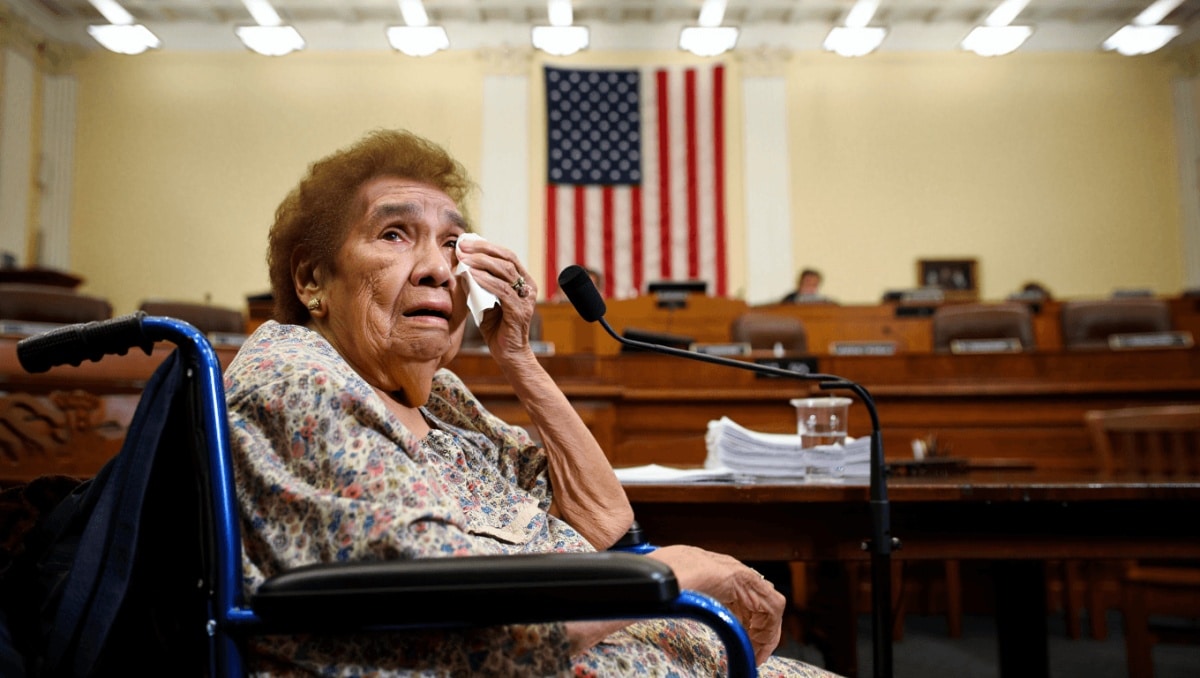
When a Minnesota resident spoke to lawmakers this month, a short committee hearing clip became an online sensation — and reignited a wider debate about what freedom looks like inside senior care. The testimony, given March 17, argued that residents in communal settings should be allowed to share a drink at social gatherings, a proposal that could change daily life for thousands of older adults if lawmakers approve it.
At the center of the discussion is a proposal commonly called the Grandparents’ Happy Hour bill. Backers say the change would simply recognize long-standing social routines; critics warn regulators will need to address safety and oversight. That tension is why the issue is drawing attention beyond state politics: it touches on personal autonomy, public health and how society balances both for older people.
What the bill would allow
Boxing champions ditch long runs for high-intensity training: new era in fight prep
Czech nationals among victims of Pinedale-area crash: two confirmed dead
The measure would permit certain residential care settings to serve alcoholic beverages during planned activities and events, provided facilities meet state requirements. According to the Minnesota House, the rule would apply to several types of group homes.
- Covered facilities: nursing homes, boarding care homes and assisted living residences.
- Who could drink: residents and their invited guests at authorized events.
- Condition: service would be allowed only after the facility secures state approval.
Anita LeBrun, who lives at Amira Choice in Champlin, Minnesota, became the most visible voice for the change after addressing a House committee. She described the social value of sharing a drink with friends — from reminiscing about life events to marking losses and milestones — and argued that aging in a group home should not mean forfeiting simple pleasures.
Short clips of her testimony were widely shared on social platforms, drawing supportive messages and lighthearted reactions from people across the country. Many commenters framed their responses around dignity and choice, while others raised practical questions about supervision, medication interactions and liability.
Why this matters now
As the population ages, states are rethinking rules that affect daily routines in congregate care. Allowing alcohol at supervised events would not only alter daily schedules but could trigger new staffing policies, training requirements and consent procedures for residents and families.
Policy watchers say a few issues will be central if the bill advances: how the state defines acceptable oversight, what safeguards are required to protect residents who take medications, and how facilities document consent. Lawmakers will also need to weigh liability protections and how approvals are granted and monitored.
Key implications to watch
- Possible expansion of resident autonomy and social programming in care settings.
- New administrative steps for facilities seeking state approval.
- Potential need for staff training on alcohol service and monitoring.
- Questions for families about informed consent and resident safety.
The bill remains under consideration in the Minnesota House. Supporters see it as a modest step toward respecting the preferences of older adults; opponents and regulators are likely to push for clear rules to manage risks. Either way, the conversation around this proposal highlights a broader shift: policymakers are increasingly being asked to balance safety with the everyday freedoms that many residents and advocates say are central to quality of life.