Show summary Hide summary
The Wyoming Legislature opened an investigation into the state’s largest agency last year expecting to trim spending, but instead approved higher funding for health programs — a decision that will shape care access and services heading into the 2026 budget cycle. Lawmakers who pushed for closer scrutiny of the Wyoming Department of Health ended up increasing support after hearings showed the agency’s budget is largely committed to direct medical services.
From oversight to investment
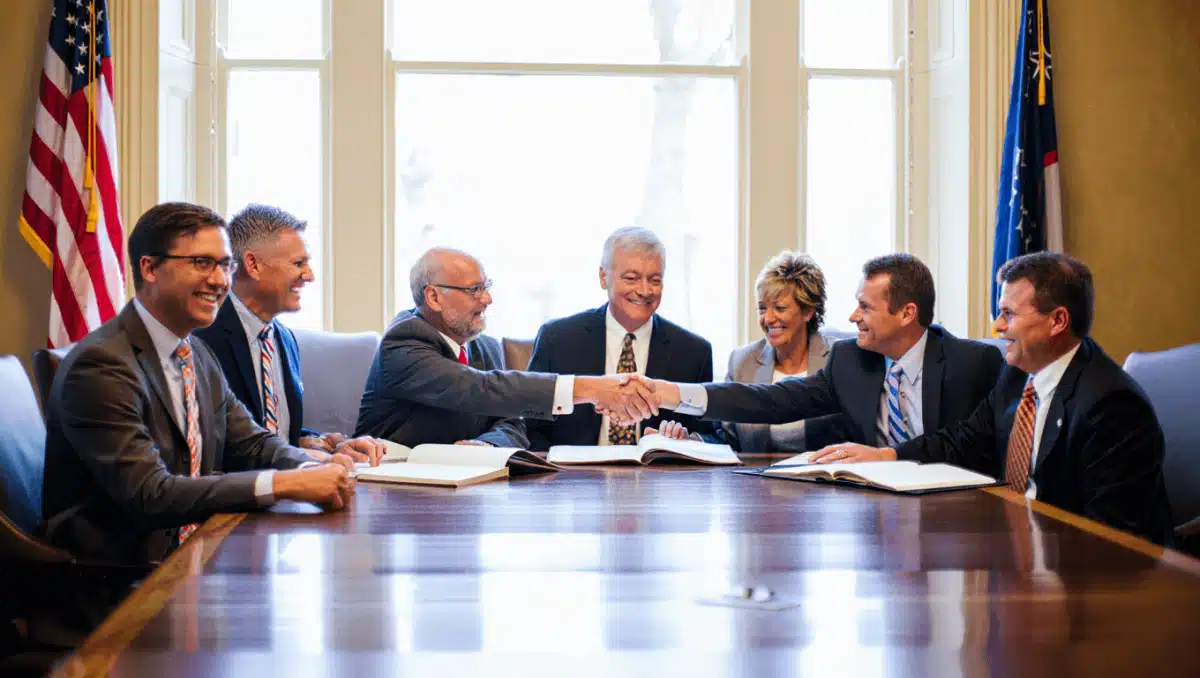
In mid-2025, members of the House majority argued the state needed to roll back spending to pre-pandemic levels and ordered a special subcommittee to examine the Health Department’s accounts. The review, led by Rep. Ken Pendergraft and including Sen. Dan Laursen and Rep. Trey Sherwood, was intended to identify unnecessary expenditures ahead of the next two-year budget.
Boxing champions ditch long runs for high-intensity training: new era in fight prep
Czech nationals among victims of Pinedale-area crash: two confirmed dead
Agency leaders answered detailed questions at several public meetings, laying out how most dollars are tied to frontline care — including state-run hospitals, the long-term care center in Lander and veterans’ residential services. The hearings, which included public testimony from health providers and families, highlighted the practical limits of cutting an agency where roughly 90% of spending flows to patient services rather than administration.
How the numbers landed
After the review and subsequent negotiations, the Legislature approved more money for the Health Department than the agency requested. The final package includes a mix of appropriations and separate legislation:
- $2.7 billion appropriated in the main budget bill;
- $615 million authorized through separate legislation tied to federal rural health funds;
- Totaling approximately $3.2 billion for the next two-year period, compared with about $3.0 billion originally requested by the department.
Legislators also targeted specific program funding increases, including roughly $10 million (combined state and federal) to raise provider rates for waiver services and about $9 million to reduce wait lists for people with intellectual or developmental disabilities.
What officials found — and what they will do
Lawmakers who led the review reported that the Department of Health runs a tight operation, with limited room to cut without jeopardizing services. “There wasn’t a lot of fat to trim,” one committee member summarized after the hearings.
Health Department Director Stefan Johansson said the process reinforced his obligation to deliver on the investments approved by lawmakers, pointing to new authorities and pilot programs now funded by the Legislature. One example is a law allowing the department to contract with detention facilities beginning in July to better manage long mental-health holds that currently burden county jails.
Budget realities and community concerns
Despite relief from advocates that major cuts were avoided, some policy groups argue the package falls short of bolder steps they want, most notably Medicaid expansion. Healthy Wyoming’s Jenn Lowe said the Legislature’s choices represented modest progress but left large structural problems unaddressed — from access to labor-and-delivery care to reliable emergency services and long-term care capacity.
Those gaps are especially consequential after national changes last year that left Wyomingers facing higher health-insurance premiums when temporary federal tax credits expired. For many residents, budget decisions now will affect whether local hospitals and behavioral health services can keep operating in sparsely populated areas.
Takeaways for residents
- Lawmakers demanded a close look at the Health Department but ultimately funded most of its request after recognizing expenditures were primarily for direct care.
- Targeted investments aim to boost provider rates and shrink waiver program wait lists, but larger reforms such as Medicaid expansion are not on the table this session.
- Rural and behavioral health programs received federal dollars through a separate legislative package that could reshape service delivery in outlying communities.
Legislative leadership will convene April 1 to finalize study topics for interim committees. The Joint Labor, Health and Social Services Committee has several health issues on its docket for off‑season review, meaning the debate over how Wyoming delivers and pays for care will continue through the spring and into next year’s budget negotiations.