Show summary Hide summary
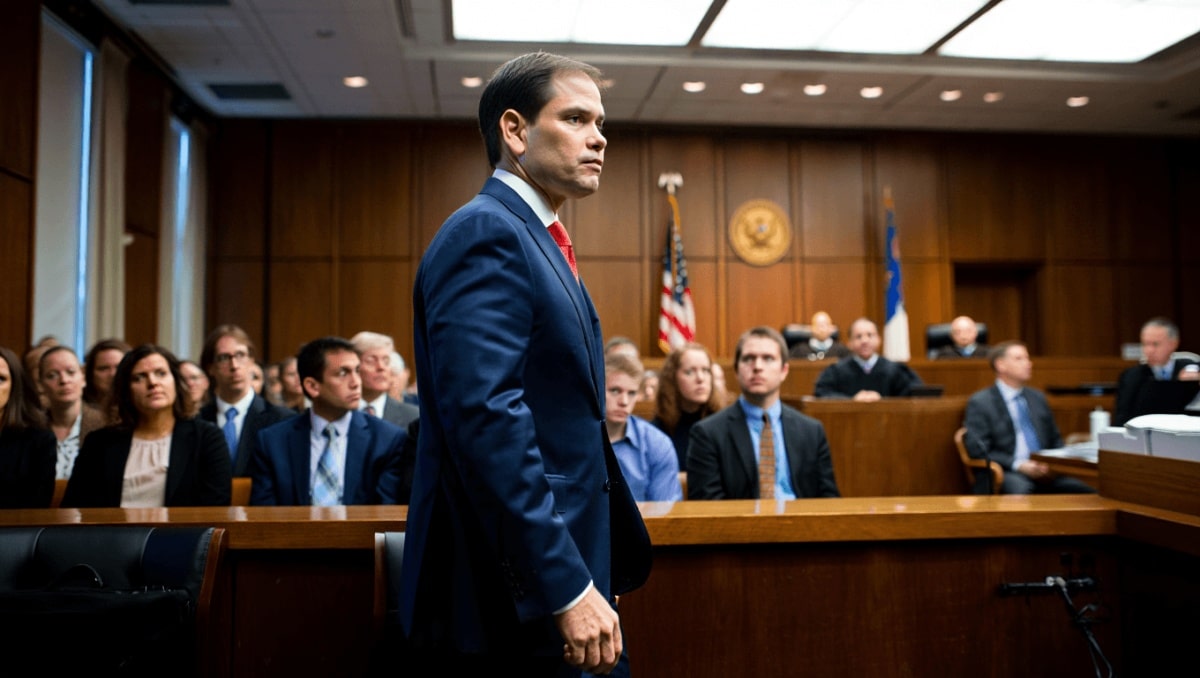
Secretary of State Marco Rubio on Tuesday denied knowing that his longtime friend, former U.S. Rep. David Rivera, was secretly lobbying on behalf of Venezuela’s government when the two met early in the Trump administration — a claim prosecutors say underpins a federal case now playing out in Miami. Rubio’s appearance on the witness stand is striking both for its rarity and for what it could mean for how the alleged scheme is judged under U.S. lobbying rules.
Rubio frames the meetings as well-intentioned but uninformed
Calling the allegation that Rivera represented the Venezuelan government “shocking” if true, Rubio described several encounters he had with Rivera in mid‑2017 and recounted how the conversations began with Rivera saying he was engaged in a plan to push Nicolás Maduro aside.
Boxing champions ditch long runs for high-intensity training: new era in fight prep
Czech nationals among victims of Pinedale-area crash: two confirmed dead
The senator said he and Rivera, who go back to their years in Florida politics, remained close — sharing family gatherings and a temporary house in Tallahassee — and that those personal ties explain why Rivera sought him out to discuss Venezuelan politics. Rubio said he listened skeptically when Rivera credited media executive Raul Gorrín with backing an opposition effort, but that he was willing to flag anything potentially credible to the White House.
Rivera, according to Rubio’s testimony, opened his laptop at one meeting and showed what he described as large sums in a bank account intended to support Venezuelan opposition figures. Rubio said he never learned those funds were tied to Maduro’s inner circle and later used Rivera’s suggested talking points in a Senate speech urging restraint toward regime defectors.
- Charges: Rivera and an associate are accused of money laundering and failing to register as foreign agents after receiving a $50 million contract allegedly tied to the Maduro government.
- Prosecutors’ theory: The work aimed to reshape U.S. policy toward Venezuela and arrange meetings between Venezuelan officials and U.S. leaders.
- Defense argument: Rivera’s lawyers say the contract was commercial in nature — intended to lure ExxonMobil back to Venezuela — and therefore exempt from the Foreign Agents Registration Act.
- Rubio’s claim: He maintains he had no knowledge Rivera was acting for Venezuela and would not have cooperated if he had known.
A plan that unraveled and a rare Cabinet-level witness
Rubio described a follow-up meeting at a Washington hotel where a promised letter from Maduro to then‑President Trump failed to materialize — an episode the senator called unproductive. Within weeks the administration imposed sanctions on Maduro’s inner circle after a disputed vote in Venezuela, and Rubio publicly embraced a hard line.
He also recorded a rare message to Venezuelans that aired on Gorrín’s Globovision network, telling Venezuelan leaders that their path would have consequences. On the stand, Rubio said he would not have accepted that broadcast if he had been aware Rivera was representing Maduro’s interests.
The choice to call a sitting Cabinet member to testify is highly unusual. Legal historians point out that it has been decades since a serving member of the president’s Cabinet gave testimony in a criminal trial, a fact lawyers and observers flagged as underscoring the case’s profile.
What this means for the trial — and for policy
Rubio’s testimony puts a prominent political figure at the center of a legal debate about whether certain kinds of work for a foreign government must be disclosed under U.S. law. The jury will weigh competing narratives: prosecutors contend the contract sought to influence U.S. officials and normalize ties with Caracas, while the defense insists the effort was commercial and brief.
Beyond the courtroom, the episode raises questions about how personal relationships intersect with national security concerns and the enforcement of foreign‑lobbying statutes. For readers, the most concrete stakes are these:
- How courts interpret the scope of the Foreign Agents Registration Act could affect future consulting and lobbying arrangements involving foreign principals.
- A conviction could signal more aggressive enforcement of foreign‑influence rules; an acquittal or hung jury would leave the legal boundaries less settled.
- The case carries political optics: testimony from a sitting secretary of state highlights the friction between private political networks and official policy channels.
| Timeframe | Event |
|---|---|
| July 2017 | Rivera contacts Rubio and describes a plan involving Raul Gorrín; Rubio later delivers a Senate speech incorporating talking points Rivera provided. |
| Shortly after | Meetings fail to produce promised documents; U.S. imposes sanctions on Maduro’s circle after contested Venezuelan vote. |
| 2022 (charges filed) | Rivera and an associate are indicted on money‑laundering and FARA‑related counts. |
| This week | Rubio testifies in federal court in Miami, denying knowledge that Rivera was working for the Venezuelan government. |
Rivera has seized on Rubio’s testimony as supporting his claim that his actions sought Maduro’s removal, not to bolster the regime. Prosecutors, meanwhile, will present evidence they say shows coordination on behalf of Venezuela. The jurors’ decision will hinge on whether they accept that defense or find the government’s version more convincing under the law.
As the trial continues, outcomes here could influence how attorneys advise clients on foreign work and how policymakers craft rules to deter covert lobbying — a legal and political fault line that remains actively contested.