
Show summary Hide summary
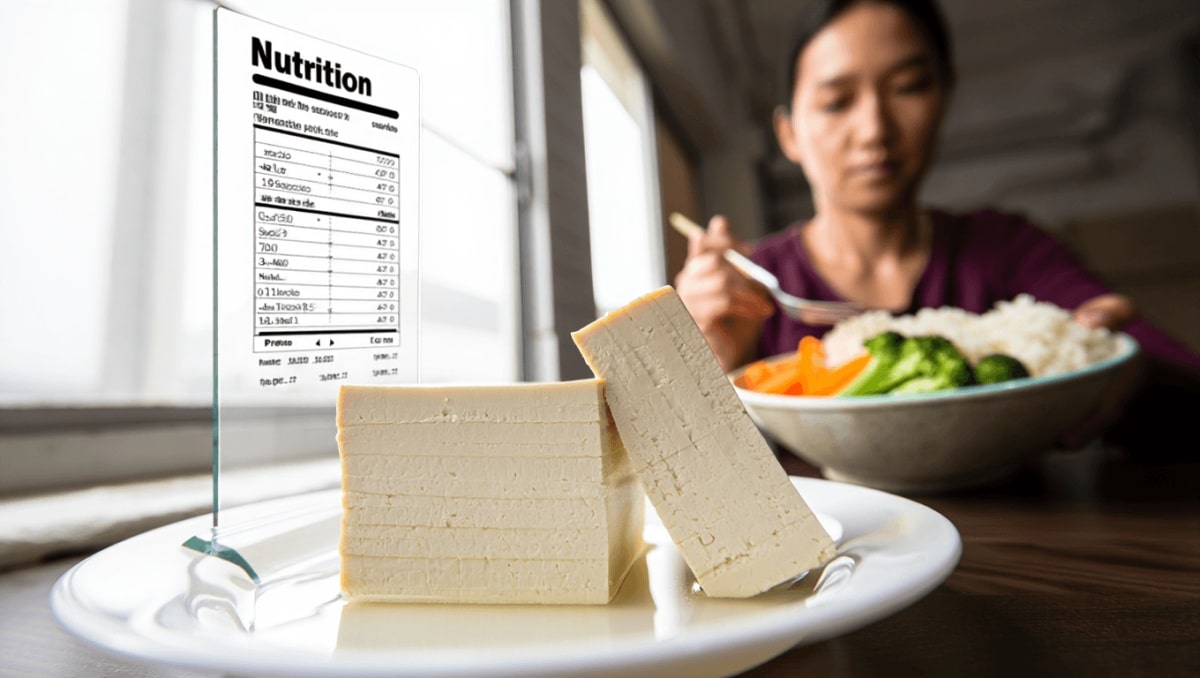
Tofu is more than a bland meat substitute — it’s a compact source of protein and other nutrients at a time when more people are choosing plant-forward diets. Knowing what tofu contributes to your plate helps decide when it’s a convenient protein swap and when to balance it with other foods.
What tofu is and why it matters now
Made from coagulated soy milk pressed into blocks, tofu has been eaten across East Asia for centuries. Its mild flavor and textural range — from silken to extra-firm — make it useful in a wide variety of recipes, from smoothies and desserts to stir-fries and grilled entrees.
Boxing champions ditch long runs for high-intensity training: new era in fight prep
Czech nationals among victims of Pinedale-area crash: two confirmed dead
Beyond taste and texture, tofu is relevant today because it offers a plant-based route to meeting protein needs without the saturated fat found in many animal proteins. For people reducing meat, or anyone looking to diversify protein sources, tofu is a practical option.
How much protein does tofu actually provide?
Protein content varies by firmness and brand, but tofu generally supplies a meaningful amount of protein per serving. A conservative way to think about it is:
- Silken or soft tofu: lower protein density, useful in smoothies and dressings — typically the smallest contribution per weight.
- Firm tofu: moderate protein, versatile for pan-frying and baking.
- Extra-firm tofu: the highest protein per serving by weight and best when you want a meaty texture.
In practical terms, an ordinary serving (roughly 3 ounces / 80–90 grams) of firm or extra-firm tofu will commonly supply on the order of several grams of protein — enough to make tofu a meaningful ingredient in a protein-focused meal when combined with other sources across the day.
Nutrition beyond protein
Tofu is often described as a complete protein, meaning it contains all nine essential amino acids the body can’t make on its own. That makes it especially valuable for vegetarian and vegan diets.
It also contributes minerals: many tofu varieties are good sources of calcium (especially when coagulated with calcium salts), and they provide iron, selenium, manganese and copper — nutrients involved in bone health, antioxidant defenses and energy metabolism.
Additionally, soy foods naturally contain isoflavones, plant compounds with antioxidant activity that have been studied for possible benefits to heart and bone health and for easing some menopausal symptoms.
Who should be cautious?
For most people, tofu is a safe, healthy food when eaten as part of a varied diet. Still, there are reasons to personalize intake:
- Hormone-sensitive conditions: Isoflavones can weakly interact with estrogen receptors, so people with certain hormone-related health issues should discuss soy intake with a clinician.
- Thyroid concerns: Soy contains goitrogens that can interfere with iodine uptake in people with low iodine status or untreated thyroid disease. Ensuring adequate iodine (under medical guidance) helps reduce risk.
- Allergies and digestion: Soy allergies require complete avoidance. Some people new to legumes may notice bloating until gut bacteria adapt.
- Potential nutrient gaps: Relying almost exclusively on tofu for protein could leave gaps in nutrients like vitamin B12, vitamin D and long-chain omega-3s; plan for fortified foods or supplements if needed.
Quick protein and serving examples
Below are rough estimates to help plan meals; actual values vary by product and preparation.
- Silken tofu: modest protein per 100 g — often used where texture, not protein density, is the priority.
- Firm tofu: moderate protein; works well in stir-fries, bowls and grilling.
- Extra-firm tofu: relatively higher protein per same weight and holds shape when cooked.
Practical tips for eating tofu
Simple ways to get the most from tofu:
- Choose fortified tofu if you want an extra boost of calcium.
- Pair tofu with vitamin C–rich foods (citrus, peppers, tomatoes) to enhance iron absorption.
- Rotate protein sources — beans, lentils, tempeh, nuts, fish or eggs — to cover nutrients like B12 and omega-3s that tofu alone may not provide.
- Try marinating and high-heat cooking for firmer textures; blend silken tofu into smoothies, dressings or puddings.
Tofu can be a reliable, nutrient-dense component of a balanced diet, but it’s best used as part of a varied eating pattern tailored to individual health needs and preferences.