Show summary Hide summary
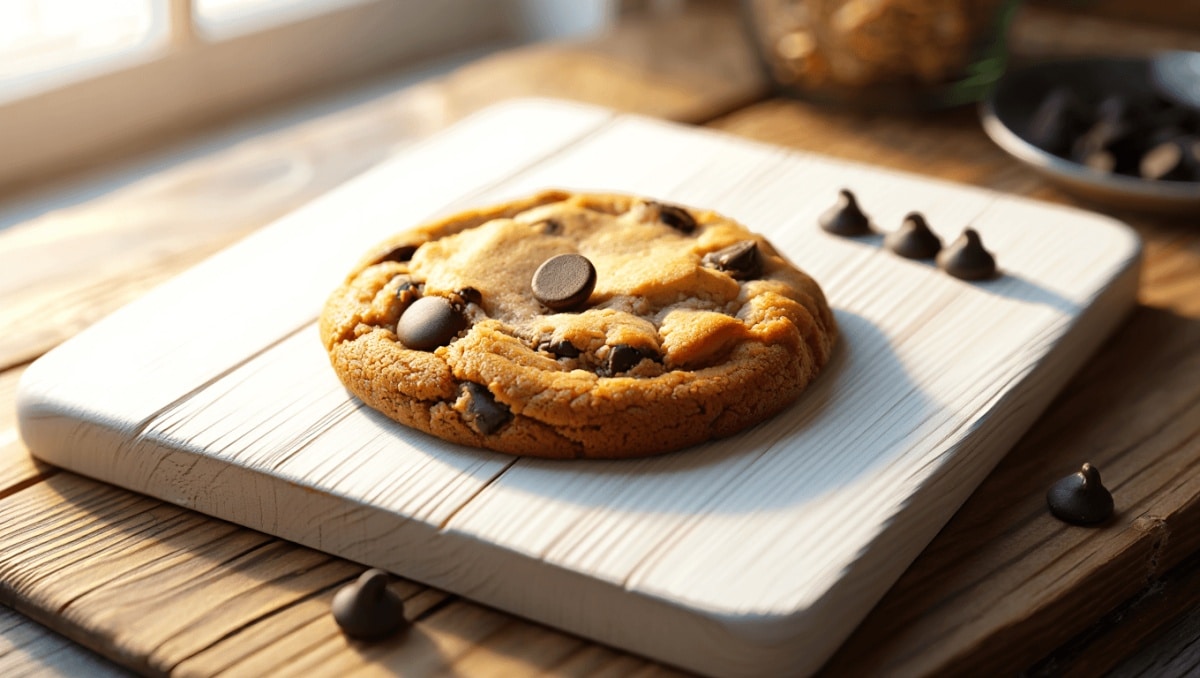
Most home bakers chase a single goal: a chocolate chip cookie that’s crisp at the edge, tender in the middle and packed with flavor. With holiday baking and at-home trends still strong, small technique changes can make that difference today — not just the recipe on the bag.
What “perfect” actually means
Perfection is about texture and balance. A cookie that spreads too thin or stays dense isn’t the same as one with a glossy, caramelized edge and a soft, slightly underbaked center. That outcome comes from controlling a handful of variables rather than from a secret ingredient.
Boxing champions ditch long runs for high-intensity training: new era in fight prep
Czech nationals among victims of Pinedale-area crash: two confirmed dead
Science plays a role: how sugar interacts with butter, how gluten develops, and how heat changes starches all shape the final bite. Understanding those dynamics lets you tailor a batch to your preference.
Five small changes with big results
- Sugar ratio: More brown sugar tends to give chewiness and deeper caramel notes; white sugar encourages spread and crispness.
- Butter state: Melted butter encourages spread and a flatter cookie; softened (not warm) butter that’s creamed with sugar traps air and supports lift.
- Chill time: Resting dough in the refrigerator for at least 30 minutes firms fats and concentrates flavors, and it prevents excessive spreading in the oven.
- Oven temperature: A hotter oven (around 375°F/190°C) browns edges quickly while keeping centers soft; lower temperatures give a more uniform bake.
- Flour handling: Measure flour accurately — spoon and level or use a scale — and avoid overmixing to prevent a tough crumb.
Practical trade-offs to choose the cookie you want
Every adjustment carries a trade-off. Want a chewier cookie? Increase brown sugar and add an extra egg yolk; accept slight softness at the edges. Prefer a crisp, thin cookie? Use more white sugar and slightly less flour, and bake a touch longer.
Consider the bake surface too: a dark, nonstick sheet will brown cookies faster than a light aluminum pan. Rotating the pan halfway through can even out hot spots in many home ovens.
Quick checklist before you bake
| Adjustment | Effect | When to use |
|---|---|---|
| Extra brown sugar | More chew, deeper flavor | Soft-center, bakery-style cookies |
| Melted butter | More spread, crisp edges | Thin, crackly cookies |
| Chill dough 1–24 hours | Concentrated flavor, controlled spread | Flatter dough or make-ahead baking |
| Higher oven temp | Quick edge browning, soft center | Contrast of texture |
| Less mixing | Tender crumb | Prevent toughness from overworked gluten |
Small techniques that feel like secrets
A few finishing touches punch up aroma and mouthfeel: sprinkle a pinch of flaky salt as soon as cookies come out of the oven; add chopped chocolate instead of chips for pockets of molten chocolate; and let cookies cool briefly on the baking sheet so edges set while centers remain soft.
Many professional bakers also swear by a short bench rest — scooping dough, letting scoops sit on the sheet for 10–15 minutes before baking — which helps cookies hold their shape and develop a slightly crisper edge.
Why this matters now
Home baking remains a popular, low-cost comfort and a social-media staple. Simple technical tweaks can elevate everyday cookies into ones friends remember and ask you to bring again. The payoff is immediate: better texture, more consistent results, and less trial-and-error.
Try one change at a time and keep notes. In a few batches you’ll understand how your oven, pans and ingredients interact — and you’ll have your own version of the “perfect” chocolate chip cookie.