Show summary Hide summary
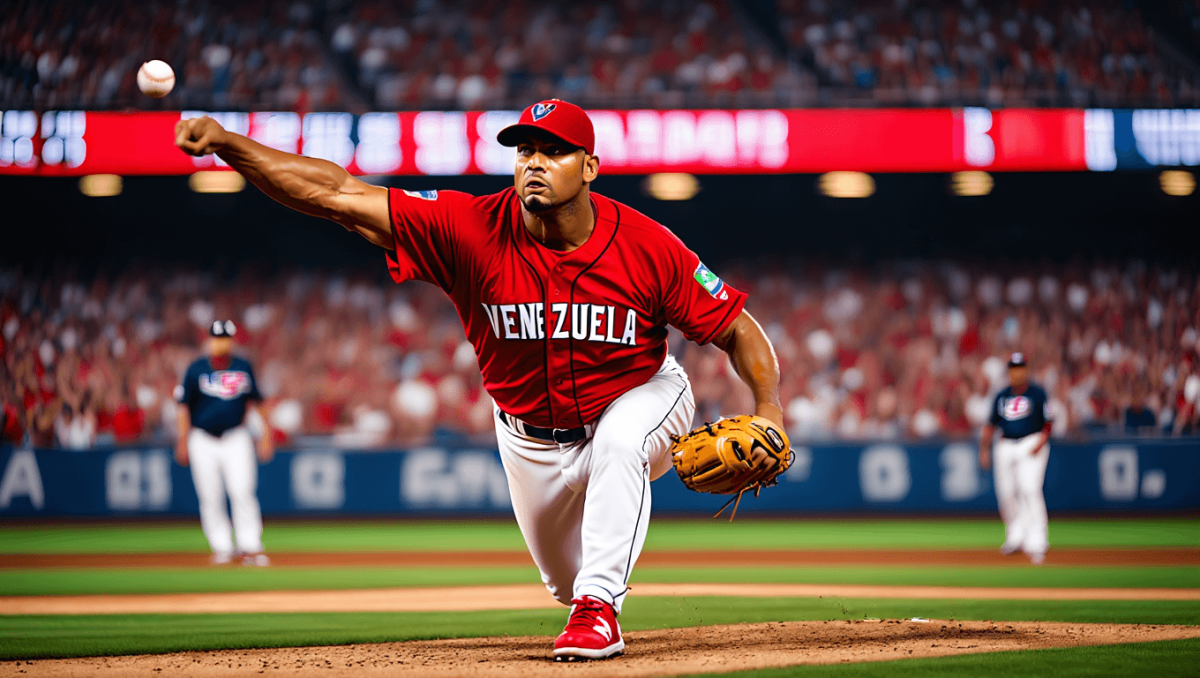
Venezuela’s shock gold at the World Baseball Classic has rippled through the sport, triggering managerial shakeups in Japan and renewed questions about how the tournament is scheduled and run. The result matters now because it has sharpened a recurring debate: can the WBC be retooled so teams — especially the United States — can bring their best rosters and pitching to an event that is clearly growing in global importance?
Within days of the final, reports surfaced that Samurai Japan manager Hirokazu Ibata intends to step down after his team’s quarterfinal exit. In the United States, manager Mark DeRosa — who has led Team USA to two silver medals — signaled he would return in 2030 despite criticism over lineup choices and in-game calls, and broader questions over how the Americans prepare for international play.
Why timing and preparation matter
Every WBC manager is working with constraints that rarely make headlines. The tournament’s place on the calendar collides with major-league clubs’ control over players, pitchers’ offseason programs and the practical limits of spring training. Those pressures shape roster construction and in-game strategy in ways that can handicap managers regardless of their experience.
Boxing champions ditch long runs for high-intensity training: new era in fight prep
Czech nationals among victims of Pinedale-area crash: two confirmed dead
DeRosa drew particular scrutiny for remarks suggesting a misunderstanding of pool-stage advancement rules — a gaffe that fed a narrative about preparation. Regardless of individual missteps, the structural problem remains: national teams often cannot field or use pitchers the way they would if the event were scheduled differently.
That tension helps explain why Venezuela — a team that played with contagious energy and timing advantage — emerged on top, and why American fans are asking what changes could tilt future editions back toward the U.S.
Practical fixes getting attention
Several players and commentators have floated calendar changes that would ease those constraints. Veteran right-hander Max Scherzer suggested moving key knockout games to coincide with the period MLB normally opens the regular season, an idea that intersects with another proposal: trimming the regular-season slate by roughly eight games to return to a 154-game schedule.
Moving the WBC’s decisive rounds to the end of spring training and the start of the MLB season would:
- Reduce concerns from MLB pitching coaches about disrupting starter workloads.
- Allow teams like Team USA to deploy **starting pitching** for deeper outings, playing to their comparative strength.
- Remove games from the cold-weather weeks at the end of March and early April, when fan experience is often compromised.
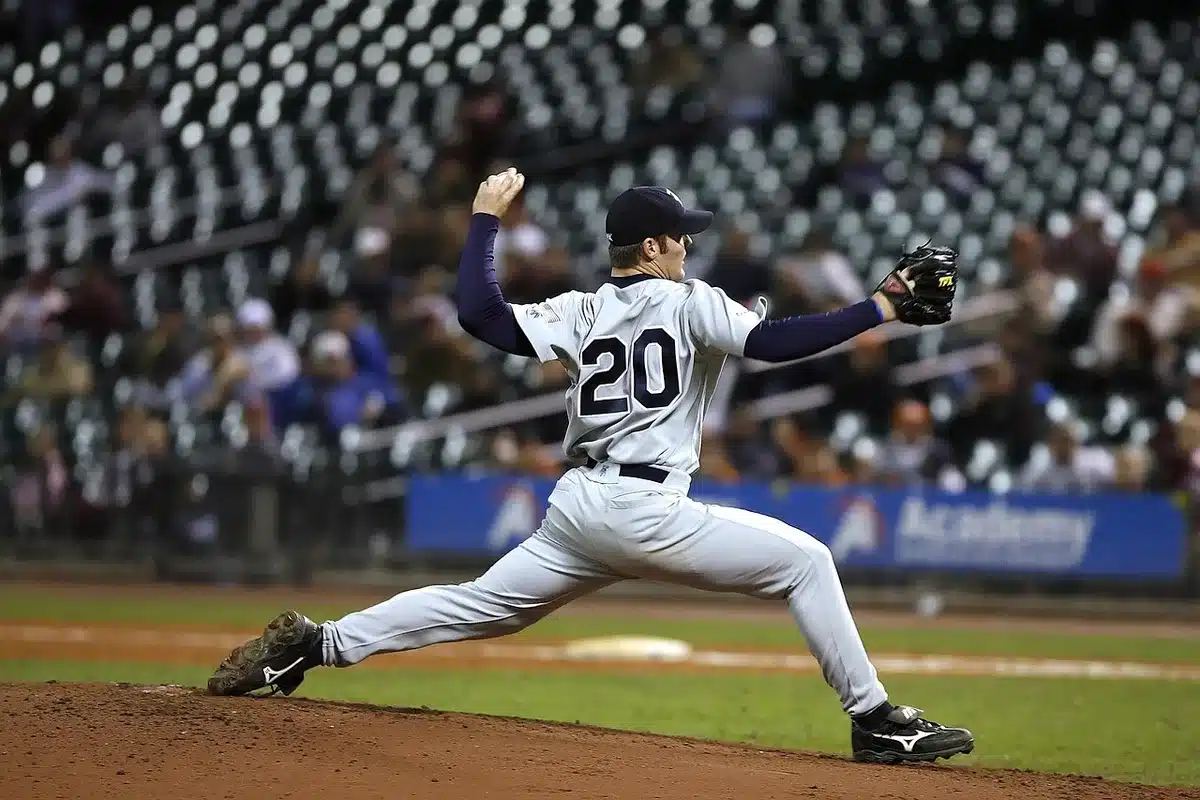
Those adjustments would not only change how managers use arms but could reshape the competitive balance. If the U.S. could rely on six- or seven-inning turns from pitchers such as Paul Skenes or Tarik Skubal without teams fearing long-term impact, hitters might perform with less pressure and a clearer game plan at the plate.
What this would mean for the MLB calendar and labor talks
Any meaningful shift will require negotiation between owners and the players’ association. Lowering the regular-season game total and reconfiguring the calendar are squarely within the scope of collective bargaining. Scherzer’s public comments suggest players might be prepared to raise the topic as bargaining chips in upcoming talks.
Practical consequences include:
- Shorter regular seasons could ease player workload across 162→154 games, though they would redistribute revenue and statistics.
- A WBC aligned with spring training and early season play could boost global interest at a time when rosters are freshest and broadcasters might schedule marquee games more easily.
- Smaller schedule windows in March/April could enhance early-season fan comfort in colder cities while giving the WBC a clearer spotlight.
Beyond scheduling: culture and confidence
There is also a cultural component that simple calendar fixes won’t address. Teams like Venezuela and the Dominican Republic play with an expressive, high-energy approach that translates differently on the world stage than the more reserved style often associated with the U.S. That dynamic affected how lineups behaved under pressure in 2026; American players may have been pressing rather than playing freely.
Still, access to deeper starts would probably ease that pressure. When pitchers can give six or more innings, managers can manage games in a more conventional baseball way, and hitters can operate with a clearer plan rather than reacting to every situation as if it were do-or-die.
What to watch next
Expect schedule change proposals to surface in the next round of CBA discussions. National teams and broadcasters will push for a format that maximizes both competition and viewership. For fans, the key takeaway is immediate: the WBC has proven its value and reach, and the conversation now is about making the tournament sustainable and fair for players, clubs and national programs.
Whether through calendar adjustments, a modest reduction in regular-season games, or clarified rules on pitcher usage, the most realistic path to better WBC competition — and a stronger showing from **Team USA** — lies in aligning incentives so managers can use their best resources without being penalized for doing so.
That would make future editions more competitive, protect pitchers’ preparations for the long MLB season, and likely produce the kind of high-stakes, high-quality baseball the tournament promises.