
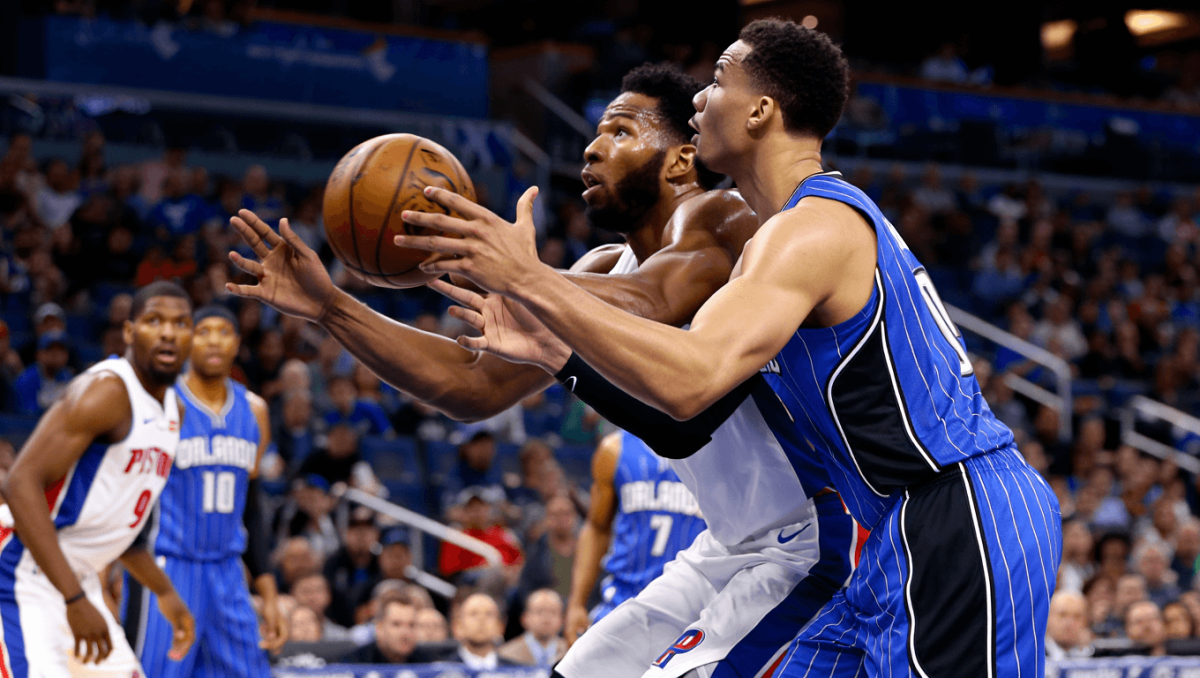
The Orlando Magic, a No. 8 seed that only clinched a playoff berth through the play-in, sit one victory away from eliminating the Eastern Conference’s top team, the Detroit Pistons. With a potential Game 5 on Wednesday, the upset would instantly reshape the East and deepen questions about how value and momentum are measured in today’s NBA.
Underdog narratives resonate because they condense risk, reward and meaning into a single storyline: a low-seeded team knocking out a regular-season powerhouse would be more than a stat line—it would alter offseason calculations and player legacies.
Historically, an 8-over-1 upset is rare. Only a handful of No. 8 seeds have reached the second round, with memorable examples stretching back decades. In the 1990s, Denver stunned Seattle in a short series that produced an iconic image of Dikembe Mutombo celebrating on the hardwood. New York’s 1999 run past Miami and later shocks—Golden State over Dallas (2007), Memphis over San Antonio (2011), Philadelphia over Chicago (2012), and Miami’s win against Milwaukee (2023)—underscore how infrequent but consequential these results can be.
Boxing champions ditch long runs for high-intensity training: new era in fight prep
Czech nationals among victims of Pinedale-area crash: two confirmed dead
Still, this matchup carries unusual context. The Pistons’ climb to the top of the East followed a rapid rebuild: one season they won just 14 games, and two years later they posted sixty wins. That trajectory erased the usual narrative of a dominant franchise being toppled by a plucky pretender; instead, it feels like two young, ascending teams colliding at different stages of growth.
The Magic’s path here has been narrow and deliberate. They scraped into the postseason via the play-in tournament and finished only a few games above .500 in the regular season, yet they now have a 3–1 lead. If they close the series, Orlando will have done what few No. 8 seeds have managed: eliminate a top seed and advance into the conference quarterfinals.
Personnel moves and injuries have shaped this result. Orlando’s front office traded heavily this season to add Desmond Bane, surrendering multiple unprotected first-round picks and a future swap. Bane averaged roughly 20 points per game in the regular season and has continued to be a primary scoring option in the postseason while stretching defenses with his outside shooting.
Franz Wagner missed a large portion of the regular season with an ankle issue but has contributed solidly in the playoffs. Rookie-to-sophomore leap Paolo Banchero has provided scoring, rebounds and playmaking, and his all-around numbers have been central to Orlando’s late push.
- Series status: Magic lead 3–1 (potential Game 5 on Wednesday)
- Regular-season records: Orlando barely above .500; Detroit top seed with about 60 wins
- Key additions: Desmond Bane acquired for multiple unprotected first-round picks and a 2029 swap
- Playoff production: Bane ~19 PPG (playoffs), Banchero ~21 PPG with near 9 RPG and 6 APG, Wagner recovering from injury
- Historical odds: Only a small number of No. 8 seeds have reached Round 2 in NBA history
Beyond the immediate excitement, there are tangible stakes. A Magic win would accelerate roster decisions — validating the trade cost for Bane and pressing Detroit to reassess its rapid rebuilding model. For the league, such an upset would reinforce the parity that has emerged across the NBA and could influence betting markets, television audience interest and how teams evaluate draft capital versus present competitiveness.
Another practical implication: the winner likely faces either the Cleveland Cavaliers or the Toronto Raptors next, a matchup that would test whether Orlando’s recent form can survive against deeper, more established contenders.
Whether this series captures broad public attention depends partly on timing and storytelling. Big upsets often become cultural touchpoints when there’s a clear protagonist or an enduring narrative arc. The Pistons’ meteoric rise complicates that framing, and the Magic’s reputation as a franchise still seeking a signature postseason moment makes their case less obvious than classic David-versus-Goliath tales.
But in basketball terms, the math is straightforward: an 8 seed eliminating a 1 seed in a best-of-seven changes more than standings. It reshuffles momentum, alters offseason priorities and forces a second look at which franchises are truly contenders. For fans and front offices alike, Wednesday’s Game 5 will say a lot about whether Orlando’s run is an outlier or the start of something more permanent.