Show summary Hide summary
Federal immigration agents have been deployed to several U.S. airports as a temporary fix for long security lines tied to the ongoing partial government shutdown — a move that raises immediate questions about how much they can actually help and whether their presence will increase tensions among travelers. As holiday travel continues and delays persist, airport officials and security experts say the arrangement may provide limited relief while carrying political and operational risks.
Short-term relief, sizable limits
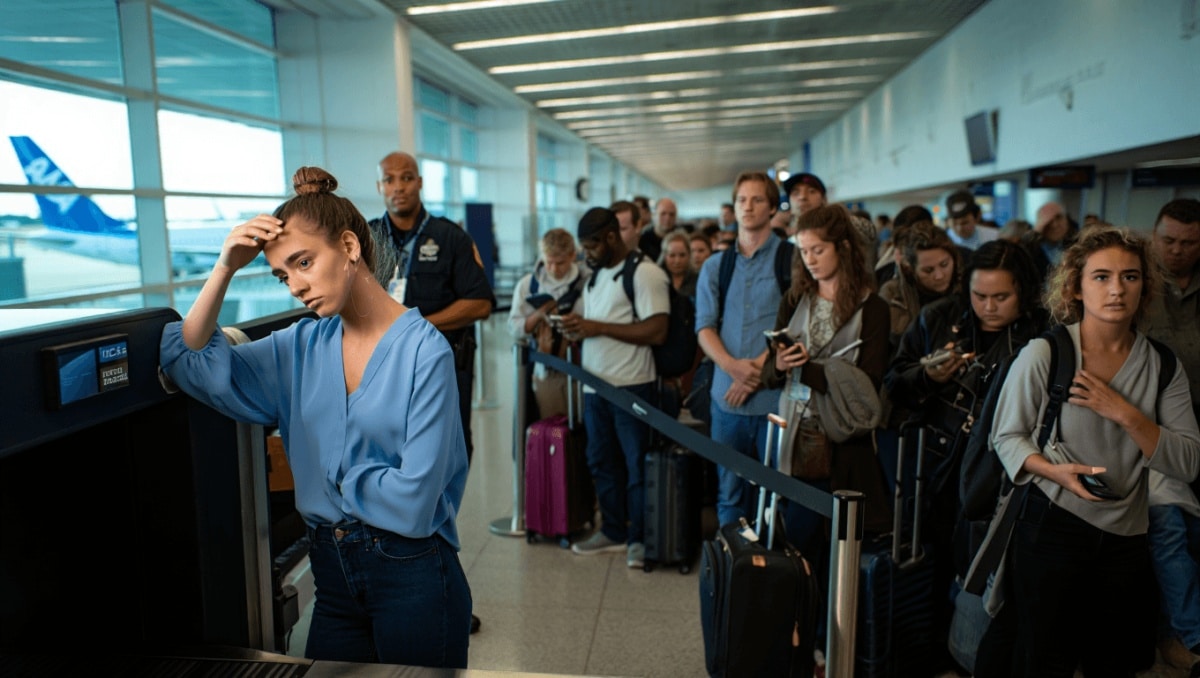
Scenes at some terminals on Monday showed uniformed Immigration and Customs Enforcement personnel positioned near checkpoints and exit lanes, but not operating X-ray machines or screening luggage. Despite extra bodies on the concourses, lengthy waits at several airports continued.
Boxing champions ditch long runs for high-intensity training: new era in fight prep
Czech nationals among victims of Pinedale-area crash: two confirmed dead
Former airport security managers warn that substituting immigration agents for Transportation Security Administration staff is an imperfect remedy. TSA screening work requires specific classroom instruction and extensive on-the-job practice — a training pipeline that cannot be shortened without increasing safety risks.
Different missions, different training
ICE’s workforce is trained for immigration enforcement and criminal investigations, not for the specialized screening tasks TSA agents perform. Within ICE there are officers focused on deportation processing and others who conduct complex investigations; neither background translates directly into baggage X-ray operation or passenger frisking.
Tom Homan, a senior administration official, suggested agents could handle exit lanes to free TSA officers for security checkpoints. Industry observers say that may help with passenger flow at the margins but won’t replace core screening functions.
- What ICE can likely do: provide crowd management, staff exit or information lanes, assist with logistics and visible staffing to reassure travelers.
- What ICE cannot easily do: operate X-ray systems, perform certified bag checks or conduct pat-downs without significant retraining.
- Operational risks: protests, diversion of resources, and confusion over roles can reduce the net benefit for passengers.
Politics and public reaction
The move landed amid a heated debate in Washington over funding for the Department of Homeland Security; Democrats have tied approval of emergency funds to limits on certain ICE practices. One focal point is whether agents should be allowed to wear face coverings during operations — a demand from critics who say masks shield officers from accountability, and a defense from ICE leadership who argue masks protect staff from online targeting.
Senate Minority Leader Charles Schumer warned that placing ICE in airports could spark controversy and unrest, saying the presence of immigration agents often provokes strong reactions. Administration officials, including the president, have defended the deployment as primarily logistical assistance, while also suggesting airports can be effective settings for enforcement — comments that heightened unease among some travelers and civil-rights advocates.
Security experts caution the visible introduction of typically armed enforcement officers into busy terminals could draw protesters and create additional security headaches, potentially pulling resources away from passenger screening and worsening delays rather than easing them.
Implications for travelers and airports
For passengers, the immediate impact is mixed: some airports may see marginal improvements in queuing and staffing at non-screening positions, but substantial reductions in wait times will likely depend on restoring full TSA staffing levels through congressional action.
Airports and carriers are juggling operational strain, staffing uncertainty and public relations challenges as holiday travel peaks. Former TSA and airport managers argue the only durable solution is a budget resolution that fully funds DHS so regular screening duties can be resumed by trained personnel.
Bottom line: ICE presence may offer short-lived logistical assistance, but it is not a substitute for trained TSA screeners. The arrangement carries political and practical risks that could blunt any intended benefits unless lawmakers resolve the funding standoff.