Show summary Hide summary
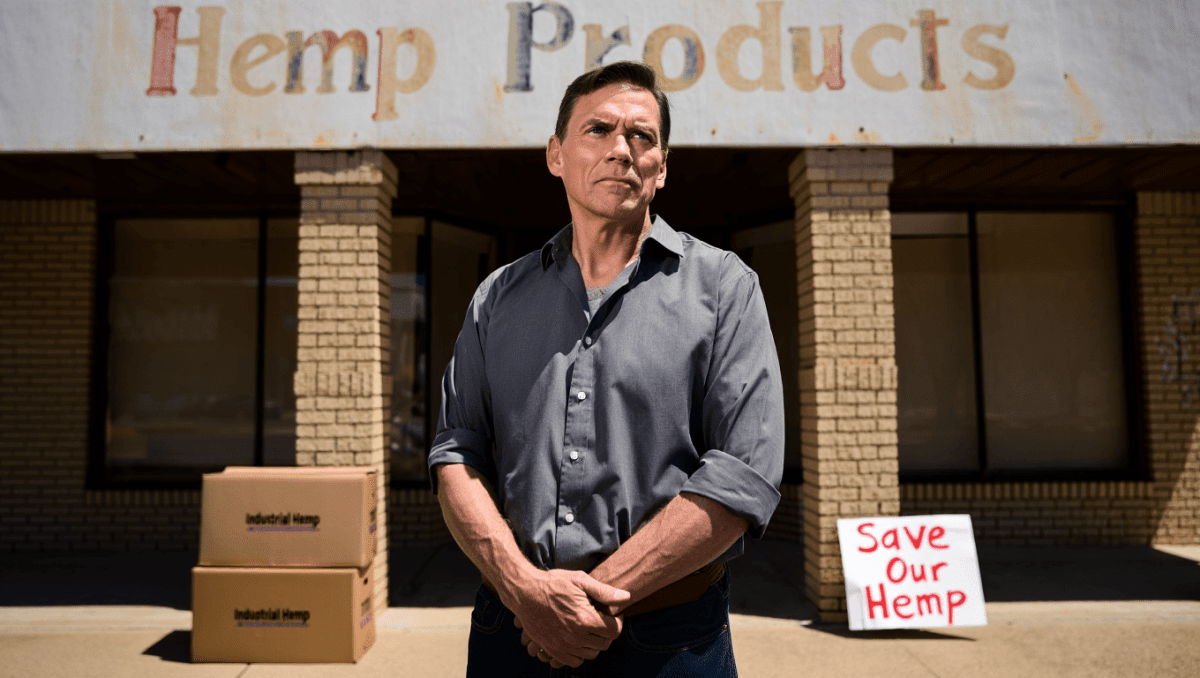
A group of Texas hemp retailers and processors has filed a federal lawsuit seeking to block the state’s recent restriction on smokeable hemp, saying the rule threatens their livelihoods and conflicts with federal law. The challenge, filed this week, raises immediate questions about enforcement, supply chains and whether state action can override the 2018 federal hemp framework.
What the lawsuit says
Plaintiffs — a mix of small retailers, wholesalers and a trade group representing hemp businesses — ask a judge to halt the ban while the case proceeds. Their complaint frames the state measure as an unlawful overreach that will eliminate a legal market overnight and force small operators out of business.
Boxing champions ditch long runs for high-intensity training: new era in fight prep
Czech nationals among victims of Pinedale-area crash: two confirmed dead
The petition alleges that Texas’ restriction clashes with the 2018 Farm Bill, which legalized hemp containing no more than 0.3% delta-9 THC, and that the ban is likely to be found preempted by federal law. Attorneys for the businesses also contend the rule is vague and burdens businesses with arbitrary enforcement, harming due process and commerce.
State response and enforcement rationale
State officials defended the restriction as necessary to curb public safety and regulatory issues linked to smokable hemp products, including concerns about mislabeled or contaminated goods and the difficulty law enforcement faces distinguishing hemp from illegal cannabis in the field.
Agencies enforcing the rule say the measure aims to reduce illicit sales and protect consumers, though critics argue it sweeps too broadly and punishes lawful operators rather than targeting bad actors.
Why this matters now
For retailers, farmers and processors, the legal fight could determine whether an entire product category remains legal to manufacture, sell and ship within Texas. For consumers, it affects access and product variety. And for law enforcement and regulators, the case will test how far a state can go when federal statutes create a baseline for hemp production.
- Economic impact: Businesses say the ban threatens jobs and revenue in an industry that only recently expanded after federal legalization.
- Legal precedent: A court ruling could clarify the balance between state authority and federal hemp policy.
- Public safety vs. commerce: The dispute frames competing priorities: consumer protection and enforcement versus market access for legal producers.
Key elements of the challenge
| Issue | What plaintiffs argue |
|---|---|
| Jurisdiction | Filed in federal court; plaintiffs claim federal law preempts the state ban |
| Economic harm | Immediate loss of sales, inventory write-downs and disrupted supply chains |
| Constitutional claims | Due process and Commerce Clause implications cited by plaintiffs |
| State rationale | Officials cite enforcement and public-safety concerns related to smokable products |
What to watch next
Court filings indicate plaintiffs will seek a preliminary injunction to pause enforcement while the case moves forward. If granted, that would temporarily restore the market as the court evaluates the broader legal issues. If denied, businesses may face rapid shutdowns or be forced to pivot product lines.
Either outcome is likely to trigger appeals and could draw attention from other states weighing similar restrictions. Industry groups are closely monitoring the case for guidance on compliance and potential federal legislative responses.
The dispute highlights a recurring tension in hemp policy: how states address on-the-ground enforcement and public-safety concerns without nullifying a federally authorized market. As the litigation unfolds, the court’s decision will shape whether Texas’ approach becomes a model for stricter state controls or a cautionary tale for regulators and businesses alike.