Show summary Hide summary
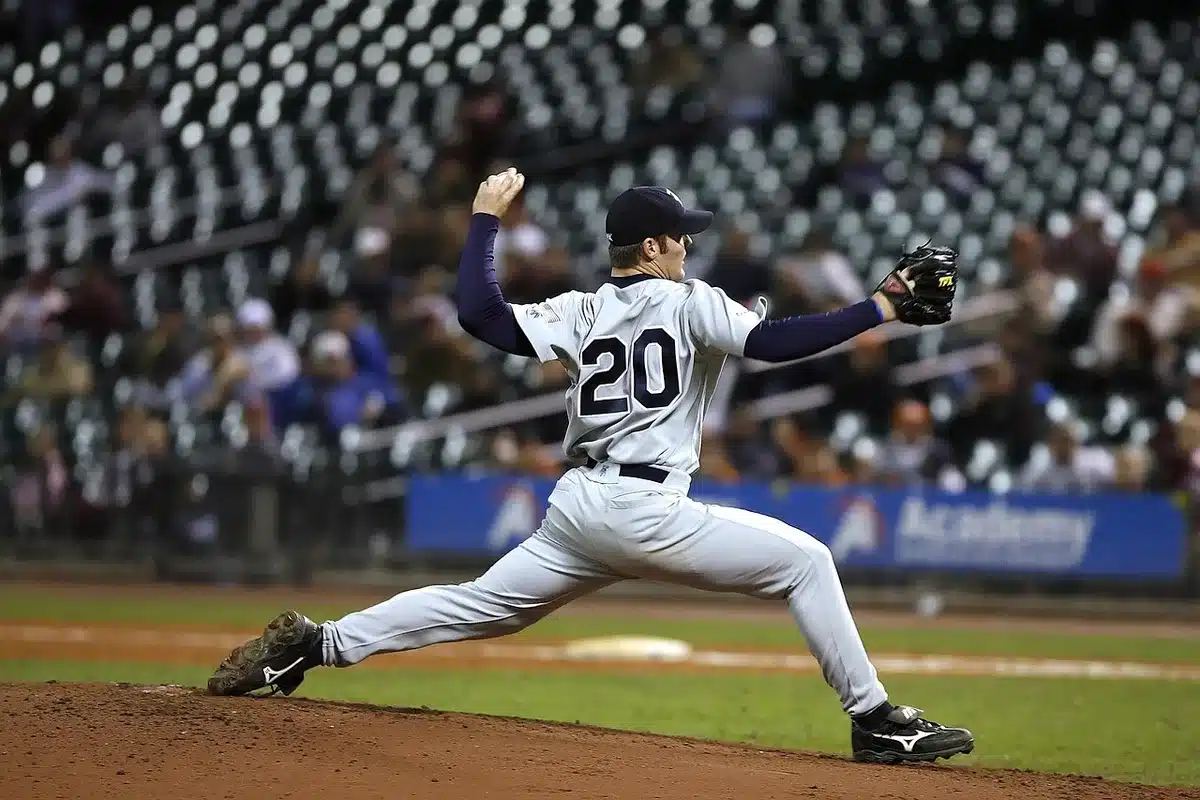
Team USA fell to Venezuela in a one-run defeat that ended the World Baseball Classic and handed the Americans a second straight silver medal — a result that immediately raises questions about in-game strategy and roster construction. The loss matters now because it transforms a dramatic, late-game fight into a wider conversation about managerial choices and a lineup that went cold when it mattered most.
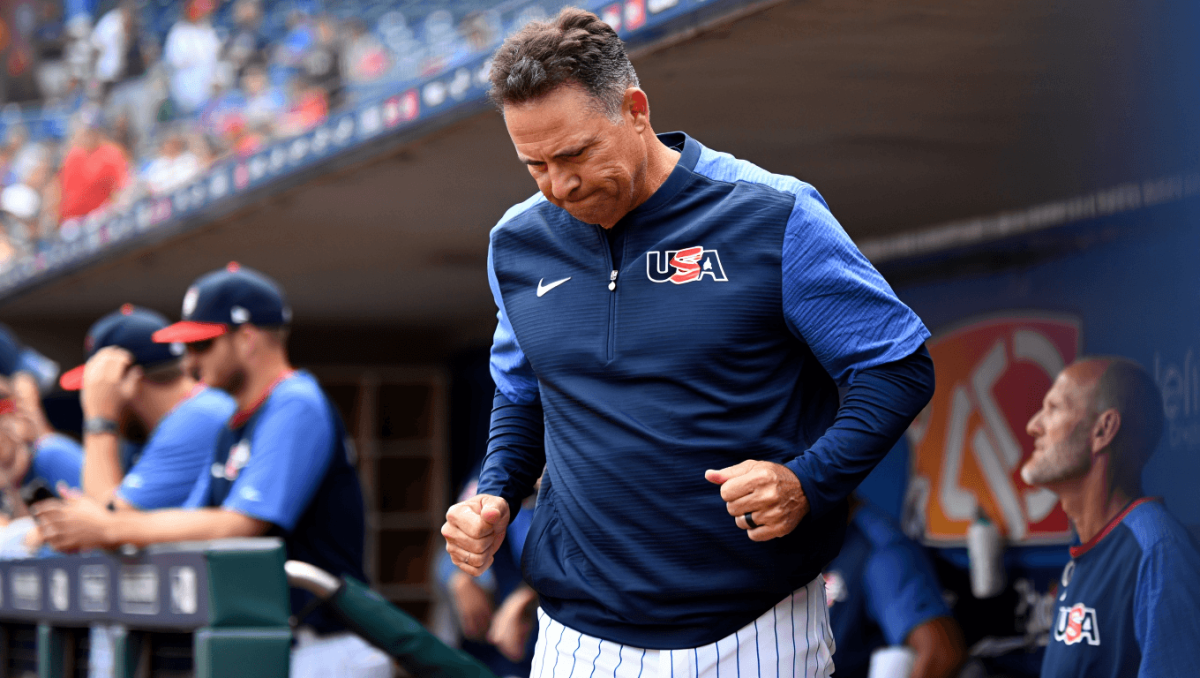
Bryce Harper’s two-run home run in the eighth inning was the kind of moment that usually defines a championship game: loud, decisive and heroic. Instead, attention quickly shifted to the ninth inning when manager Mark DeRosa elected not to bring in lefty reliever Mason Miller, leaving fans and analysts debating whether a different decision might have changed the outcome.
Why the ninth-inning decision mattered
The argument for using Miller was simple: he had been nearly untouchable entering the tournament, and his recent form provided a clear matchup advantage against the top of Venezuela’s order. In that situation, the United States needed a shutdown inning to preserve momentum and give the offense one more chance in the bottom half.
Boxing champions ditch long runs for high-intensity training: new era in fight prep
Czech nationals among victims of Pinedale-area crash: two confirmed dead
Instead, Garrett Whitlock took the mound and the final half-inning played out with tight swing-and-miss at-bats and a lineup unable to capitalize in the decisive moments. Whether the decision was tactical or cautionary, it became the defining moment of the postgame conversation.
That ninth inning also highlighted the larger problem the team faced: an offense that had been inconsistent in the tournament’s closing stages.
Offense went quiet when it counted
Several established bats produced little in the final stretch. In the winner-take-all game, a number of linchpin hitters were unable to reach base or extend rallies, undermining the team’s ability to take advantage of the tight scoreline.
- Bobby Witt Jr. — quiet in the late games
- Aaron Judge — limited impact in the final
- Alex Bregman — went hitless in the championship
- Roman Anthony, Will Smith and Pete Crow-Armstrong — also failed to record hits in the final
When a core group of hitters goes cold, strategic decisions — especially in the bullpen — become magnified. A single reliever choice or pinch-hit swing can tilt the narrative from a celebrated moment to a missed opportunity.
Venezuela’s pitching lines
Venezuela’s staff didn’t rely on household-name aces, but several pitchers delivered effective work in the title game. Their season ERAs heading into the final provide some context for that performance:
- Eduardo Rodríguez — 5.02 ERA
- Eduard Bazardo — 2.52 ERA
- José Buttó — 3.90 ERA
- Angel Zerpa — 4.18 ERA
- Andrés Machado — 2.28 ERA (in JPL)
- Daniel Palencia — 2.91 ERA
These numbers underscore that Venezuela’s rotation and pen were capable of containing opposing offenses even without relying on a single dominant arm.
Questions that remain
More than a single failed matchup or a quiet night from sluggers, the defeat prompts broader questions for U.S. baseball: how should managers balance trust in hot relievers versus established roles, and how much should roster construction prioritize late-inning matchup arms?
The decision not to start Tarik Skubal in the final over Nolan McLean also attracted scrutiny. Rather than assigning motives, the central point is this: lineup and rotation choices in a short international tournament are scrutinized intensely, and the WBC’s spotlight magnifies every managerial call.
For Venezuela, the victory is historic — the nation’s first WBC title — and for the United States it’s a prompt to reassess. Harper’s eighth-inning blast will remain a highlight, but the postgame debate will focus on whether different bullpen or lineup decisions could have produced a different result.