Show summary Hide summary
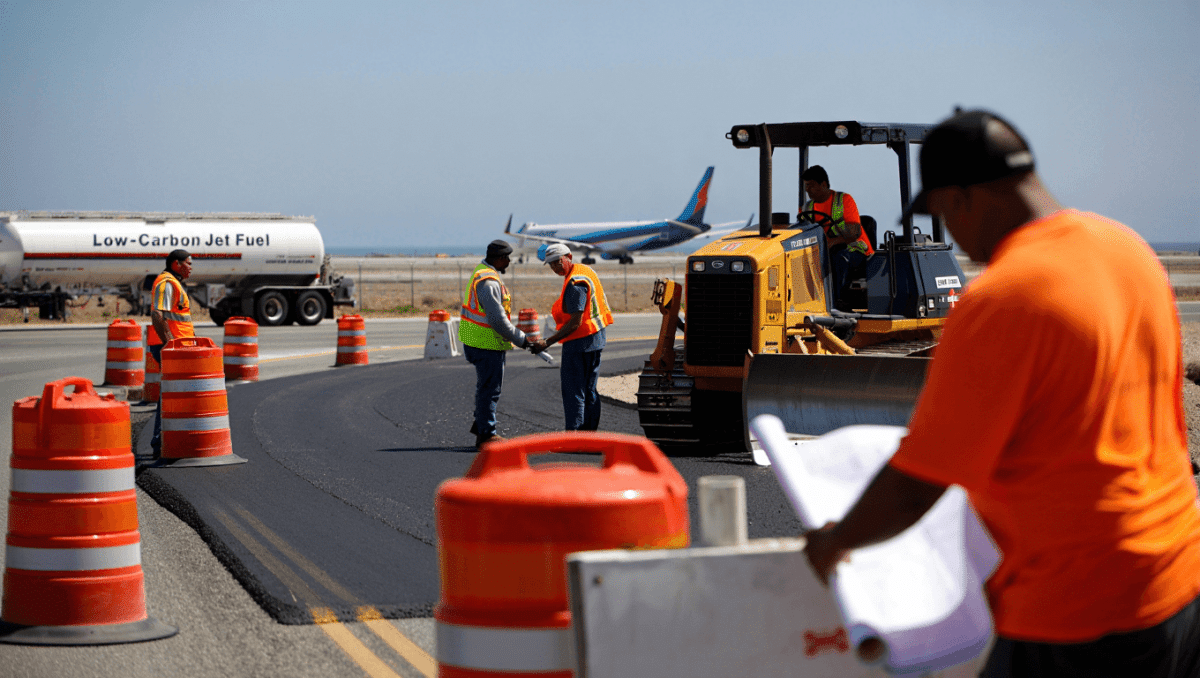
California policymakers are debating whether to shift transportation dollars toward subsidies for low‑carbon jet fuel, a move that would trade immediate local road repairs for an aggressive bet on decarbonizing air travel. The choice could reshape repair schedules, county budgets and the pace of aviation emissions reductions across the state.
Why lawmakers are considering subsidies for low‑carbon jet fuel
Decarbonizing aviation is one of the toughest challenges in California’s climate strategy. Batteries and hydrogen are still years away from powering large, long‑haul aircraft, so many experts point to sustainable aviation fuel — drop‑in replacements made from lower‑carbon feedstocks — as the most realistic short‑term option to cut emissions from flights.
Boxing champions ditch long runs for high-intensity training: new era in fight prep
Czech nationals among victims of Pinedale-area crash: two confirmed dead
Supporters say targeted subsidies could lower production costs, attract investment and scale up domestic supply, helping airlines meet voluntary targets and regulatory obligations. That argument has gained traction inside the Capitol as the state searches for ways to meet its greenhouse gas reduction goals while protecting an industry vital to commerce and tourism.
Where the money would come from — and why it matters
Under the proposals under discussion, a portion of funds currently earmarked for road and local transportation projects would be redirected to support purchases or production of sustainable aviation fuel. The mechanics vary by plan, but the central trade‑off is the same: immediate infrastructure needs versus an investment aimed at long‑term emissions reductions.
For many counties and cities, transportation budgets are already stretched. Officials warn that any diversion could delay pothole repairs, bridge maintenance and routine preservation work — projects that affect daily commutes and public safety.
| Funding source | Intended use | Likely short‑term impact | Possible long‑term outcome |
|---|---|---|---|
| Transportation/road repair funds | Local pavement, bridges, transit | Fewer repairs, delayed projects | Deterioration risk; higher future costs |
| Subsidies for sustainable aviation fuel | Lower cost for airlines; scale production | Immediate support to SAF producers/airlines | Potential emissions reductions if supply grows |
Who stands to gain — and who objects
Airlines and some environmental groups back support for sustainable aviation fuel as a pragmatic way to lower emissions from a sector that is otherwise hard to decarbonize. Industry leaders say predictable subsidies can unlock investment in refining capacity and feedstock supply chains.
Local governments, transportation advocates and road contractors push back. They point out that deferred maintenance compounds over time, increasing costs and disrupting communities. Public safety officials add that poorly maintained roads and bridges create real hazards.
- Proponents’ view: Subsidies accelerate a low‑carbon alternative and help meet climate targets.
- Opponents’ view: Diverting funds undermines local infrastructure and shifts costs to taxpayers later.
- Neutral concern: Effectiveness depends on how subsidies are designed and whether they truly scale domestic SAF supply.
Trade-offs and the policy choices ahead
Policymakers face three fundamental questions: how large should any subsidy be, where should the money come from, and how will success be measured? The answers will determine whether the move is seen as a strategic investment or a short‑sighted raid on essential services.
Design details matter. Time‑limited grants tied to domestic production, strict accounting for lifecycle carbon reductions, and protections for critical road projects are all policy levers that could reduce conflict — but they require political will and precise drafting.
What this means for residents
In the near term, communities could see postponed road work and longer waits for repairs. Over the longer term, if subsidies succeed in growing low‑carbon fuel production, Californians might benefit from lower aviation emissions and the economic activity that accompanies new manufacturing facilities.
The stakes are practical: everyday infrastructure that affects commuters and emergency services versus a climate strategy aimed at an industry with few other low‑carbon options. Lawmakers must weigh those competing priorities as budget negotiations continue.
Expect further debate in committee hearings and local government forums in the coming weeks, as state leaders balance urgent local needs with long‑term climate commitments.