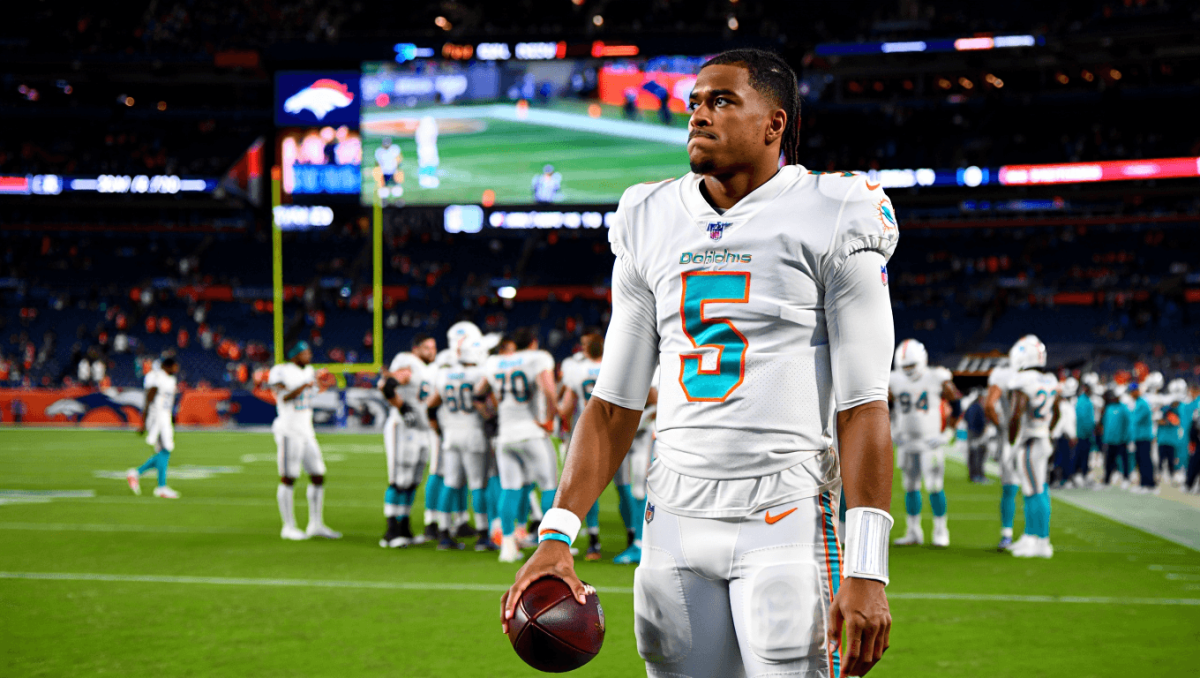
The Miami Dolphins shook up the NFL landscape Tuesday by sending wide receiver Jaylen Waddle to the Denver Broncos in exchange for the No. 30 pick in the 2026 draft — a move that immediately reframes their roster-building priorities and raises urgent questions about who will catch passes for the team’s new starting quarterback. With a high-profile receiver already cut earlier this offseason, the timing and financial fallout make this more than a roster tweak; it is a potential strategic pivot with near-term consequences.
The trade gives Denver a ready-made offensive weapon; Waddle’s game speed and route-running are difficult to replicate with a late first-round selection. For Miami, however, the transaction follows a string of dramatic changes: the club signed a three-year, $67.5 million deal to install Malik Willis as its starter, and it released its previous star receiver after a season-ending knee injury.
That sequence — a big-money commitment at quarterback, the loss of an established No. 1, and now the departure of Waddle — leaves Miami’s passing game noticeably thin on proven playmakers. The depth chart now lists younger and recently acquired names such as Malik Washington, Jalen Tolbert and TuTu Atwell, who together posted 712 receiving yards last season. Tight end Greg Dulcich is expected to be a dependable target, but he does not change the overall profile of a receiver room that now lacks a clear top-tier threat.
Boxing champions ditch long runs for high-intensity training: new era in fight prep
Czech nationals among victims of Pinedale-area crash: two confirmed dead
The front office insists payroll flexibility mattered in making these moves. Still, the team will carry significant financial consequences from earlier decisions: releasing the former starter left the roster with sizable dead cap charges tied to the multi-year contract he was on. Those charges and the new commitment to Willis complicate how Miami approaches free agency and draft-day strategy.
What this means in practical terms is straightforward: coach Jeff Hafley and his new starting quarterback enter the season without the kind of receiving corps normally expected when a franchise invests in a long-term signal-caller. That mismatch could force the Dolphins into aggressive roster maneuvers over the coming weeks.
- Immediate impact: A marked downgrade in proven receiving talent following the Waddle trade and the offseason release of the prior No. 1.
- Cap implications: Willis’ contract is manageable now, but existing dead cap from the previous starter will limit short-term flexibility.
- Roster reality: Remaining pass-catchers are unproven as primary options; the tight end room will need to shoulder extra load.
- Draft levers: Miami holds the No. 11 and No. 30 picks in 2026 and could trade up to target a talent-grade receiver.
- Free-agent window: High-profile veterans or mid-tier playmakers remain available but would require strategic spending given the cap picture.
That draft capital — especially the pair of first-round selections — is now Miami’s most important asset. The team can either move up to chase a polished college wideout or wait and hope a high-upside prospect falls into range. Names already discussed around NFL draft rooms include Ohio State’s Carnell Tate and Arizona State’s Jordyn Tyson; both would help address the immediate need if they’re available.
On the free-agent front, there are still seasoned options who could be tempted to join a QB entering his first season as a starter. Targeting a veteran would be quicker than developing a rookie, but it comes with salary and fit questions that the Dolphins must weigh against existing cap realities.
Ultimately, Miami’s front office faces a tight timeline: the combination of coaching change, a new starting quarterback and a thinned receiver room makes the next few roster moves pivotal. Without adding a clear primary target — via trade, free agency or the draft — Hafley and Willis will begin their partnership at a competitive disadvantage.