Show summary Hide summary
The Dallas Wings used the No. 1 overall pick at Monday’s WNBA Draft on UConn guard Azzi Fudd, a choice that immediately ignited debate online because Fudd is in a relationship with the Wings’ rising star Paige Bueckers. The quick rush to accuse the team of favoritism overlooks on-court reasoning and pre-draft expectations that had Fudd in play for the top spot well before the picks were announced.
Social media reaction was swift: critics suggested the Wings selected Fudd to keep Bueckers happy. But a closer look at roster needs, scouting reports and mock drafts shows the decision was rooted largely in basketball fit rather than tabloid motives.
Why many fans were surprised
Boxing champions ditch long runs for high-intensity training: new era in fight prep
Czech nationals among victims of Pinedale-area crash: two confirmed dead
The surprise came from a simple reading of team needs. Dallas entered the offseason openly seeking frontcourt reinforcements, and several prominent prospects were big, frontcourt players. That made the selection of another guard feel counterintuitive to casual viewers tracking only positional needs on paper.
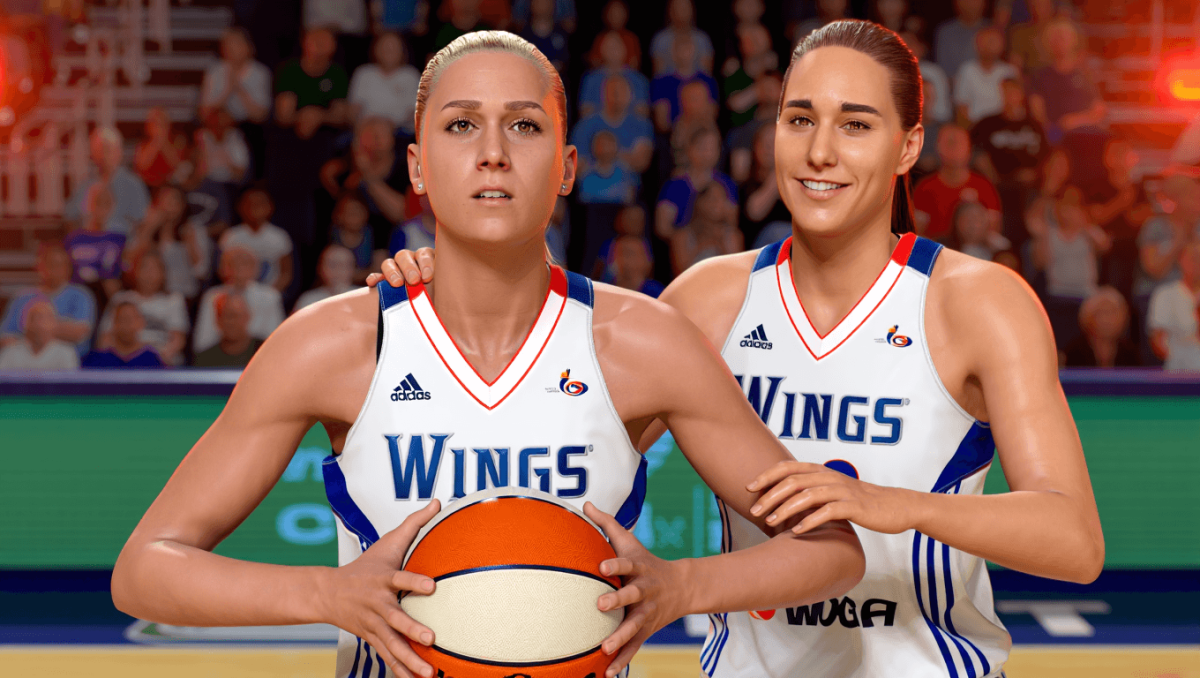
At the same time, the pairing of two former UConn teammates who also have a public relationship created a potent image — and for some, an easy explanation. That narrative spread fast, amplified by tweets and comment threads that treated the pick as a personal favor rather than a basketball decision.
What the scouting and market said
Readers who follow draft coverage closely will recognize that Azzi Fudd’s selection was far from unforeseeable. Major mock drafts from national outlets had her projected at the top of the board heading into the event. Scouts highlighted her perimeter shooting, defensive activity in clutch moments, and experience in high-pressure NCAA tournament games — attributes the Wings lacked behind their primary scorer.
| Player | Age | College | Draft note |
|---|---|---|---|
| Azzi Fudd | 23 | UConn | No. 1 overall pick; 2025 NCAA tournament Most Outstanding Player |
| Paige Bueckers | 24 | UConn | Previously the Wings’ No. 1 overall selection; franchise centerpiece |
Several practical factors help explain Dallas’s choice:
- Need for backcourt shooting and depth to complement Bueckers’ playmaking.
- Frontcourt concerns were partly addressed earlier in free agency, freeing the top pick for a guard.
- Fudd’s track record in big games and defensive instincts fit the Wings’ short-term and developmental plans.
In other words, selecting a guard when you already have a dominant guard makes more sense if that pick provides spacing, spot scoring and defensive versatility — areas where Fudd projects to contribute immediately.
There’s also a human element worth noting. Both players are young professionals navigating the jump from college to the pro ranks. Having a close personal confidant on the same roster can ease that transition and support daily life in a demanding environment. That is a secondary benefit, not the primary reason an organization uses its top draft slot.
For front-office observers, the pick looks like a calculated move in a broader rebuild centered on Bueckers. Dallas appears to be assembling pieces that complement her strengths: a reliable shooter who can defend and hit timely shots, plus roster flexibility created by earlier signings.
Ultimately, the public reaction underscores how personal relationships can color perceptions of team decisions. But the evidence available before and during the draft — scouting grades, mock boards and roster strategy — points to a basketball-first rationale for taking Azzi Fudd at No. 1.
How this plays out on the court will settle the conversation faster than online speculation. If Fudd’s shooting and defense translate to the WNBA, the pick will be judged on production rather than headlines.