Show summary Hide summary
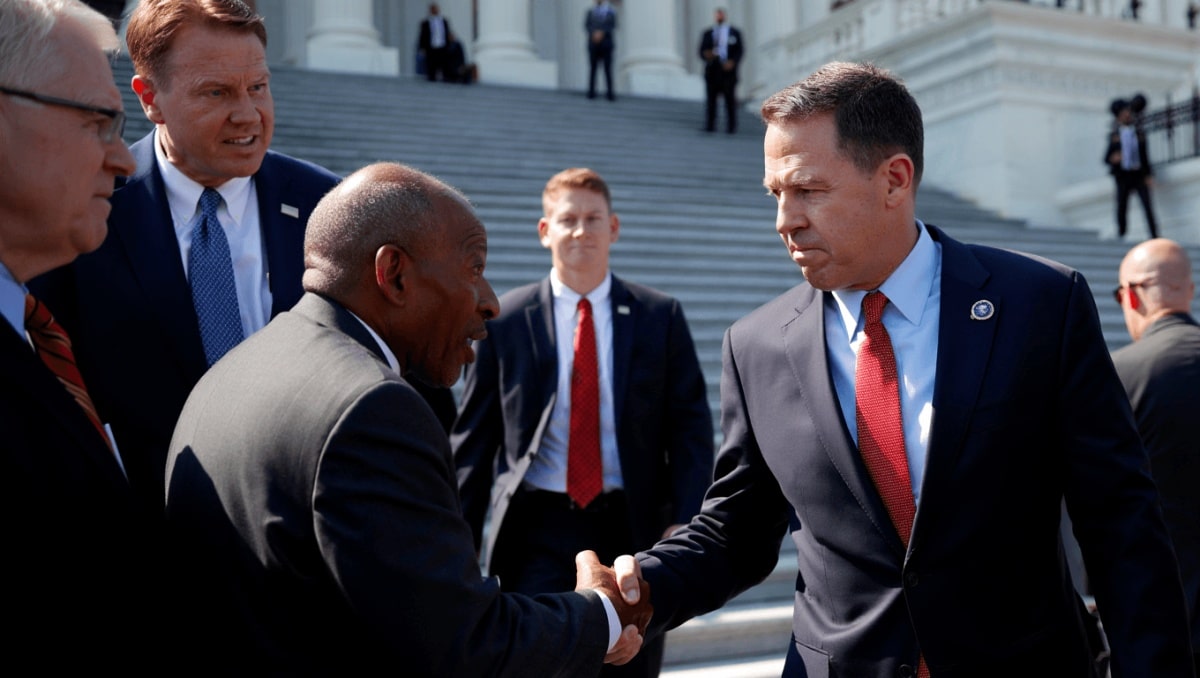
The Senate narrowly confirmed Representative Markwayne Mullin as the next secretary of the Department of Homeland Security late Monday, installing a close ally of President Trump as the agency grapples with a funding lapse and renewed scrutiny of immigration operations. His confirmation arrives while airport security strains, disaster relief faces criticism, and Democrats press for tighter limits on enforcement tactics.
Close vote, bruising confirmation
Lawmakers approved Mullin on a largely party-line roll call, 54-45, after a contentious committee hearing that exposed divisions within the GOP and Democrats’ doubts about his temperament and independence. Republican Sen. Rand Paul voted against the nomination at the committee level and again on the Senate floor, while a couple of Democrats crossed party lines to support him.
Boxing champions ditch long runs for high-intensity training: new era in fight prep
Czech nationals among victims of Pinedale-area crash: two confirmed dead
During the hearing Mullin emphasized he would bring stability to a department recently thrust into headlines. Still, foes questioned whether his close ties to the White House would leave him more as an executor of presidential priorities than an institutional reformer.
What Mullin inherits on day one
The incoming secretary steps into an array of immediate problems that affect travelers, migrants and communities across the country.
- Budget and operations: Routine funding for DHS has lapsed since Feb. 14, prompting staffing shortfalls as Transportation Security Administration agents have called out rather than work without pay.
- Immigration enforcement: High-profile raids and rapid deportations have prompted public outcry and Democratic demands for procedural limits on how officers operate.
- Disaster response: FEMA remains under scrutiny for slow contracting and leadership gaps after recent storms and floods.
Those pressures make Mullin’s early decisions consequential: restoring steady funding, calming tensions with local communities, and ensuring airports and ports remain secure during a budget standoff in Congress.
From wrestler and businessman to cabinet secretary
Mullin, a Republican from Oklahoma who previously ran a growing family plumbing firm, has a reputation in Washington as a physically active lawmaker — a former collegiate wrestler and frequent early-morning exerciser in the House gym. That profile has helped him build relationships across the aisle, even as critics say his loyalty to the president explains his nomination.
He has publicly supported ICE officers and aggressive enforcement in the past. At his hearing he sought to strike a balance, promising to protect all communities and saying he would avoid pre-emptive public judgments while investigations are ongoing. Mullin also walked back earlier remarks about a protester, acknowledging he had been wrong to criticize the individual before a full inquiry.
Policy signals and limits
Mullin offered a few concrete policy directions that signal modest procedural changes rather than a wholesale break from current practice. He told senators he would generally require a judge-signed warrant — not the administrative warrants sometimes used by immigration agents — to enter a private residence except in narrowly defined emergencies.
He also appeared sensitive to local resistance to large detention facilities, saying cutting federal funds to so-called sanctuary jurisdictions would be considered only as a last resort. Yet White House priorities will heavily shape how enforcement unfolds, and the administration continues to face pressure to meet an ambitious deportation goal that critics warn could fuel further controversy.
FEMA and disaster aid under the microscope
Beyond immigration, Mullin inherits oversight of FEMA, which critics say has been hampered by an unusual contract-approval rule and by lacking a permanent administrator. Some Republicans and disaster-relief advocates argued that requiring personal sign-off on contracts over $100,000 slowed aid after hurricanes and other disasters.
Mullin signaled he would move away from that approach and streamline federal emergency response procedures, aiming to speed recovery efforts and restore confidence in the agency’s capacity to deliver timely assistance.
How quickly Mullin can translate those commitments into action will depend largely on whether Congress resolves DHS funding and on what directives the White House issues in the coming weeks.
This report includes reporting from Associated Press writer Lisa Mascaro.