
Show summary Hide summary
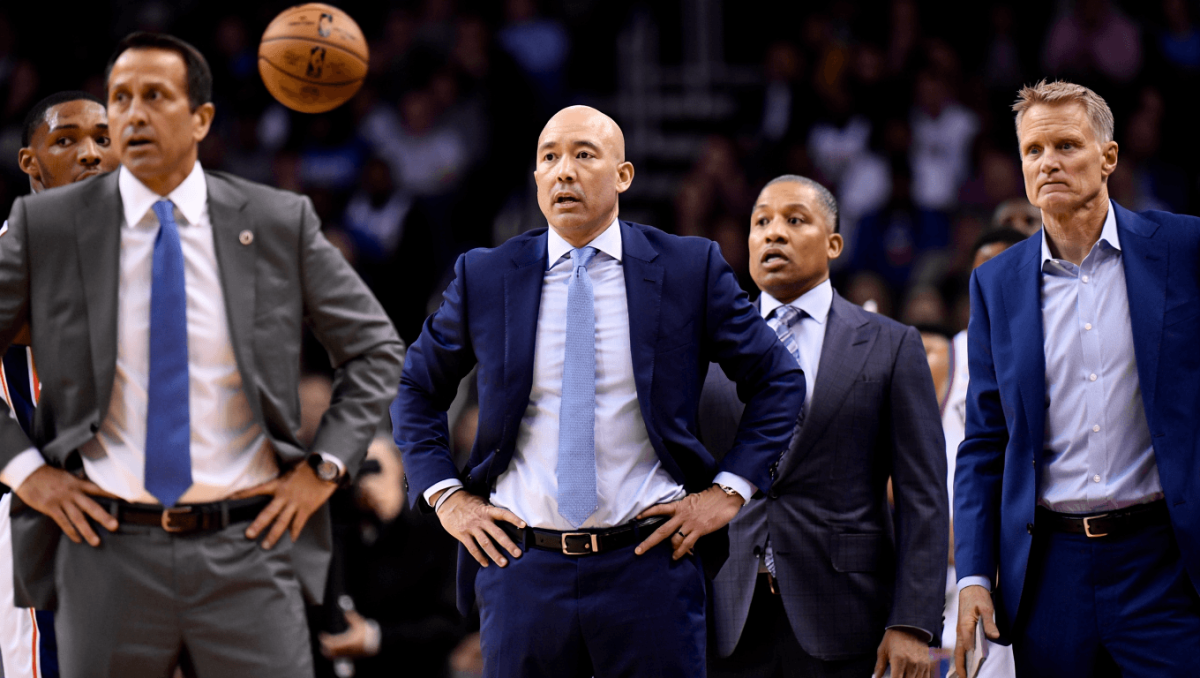
Four veteran coaches — Erik Spoelstra, Nick Nurse, Tyronn Lue and Steve Kerr — have turned the NBA play-in into a test of season-long strategy: does regular-season rest matter when single games decide fate? As the tournament begins this week, their decisions about minutes, matchups and health will determine not just winners, but whether the long stretch of March and April mattered at all.
At stake is more than bragging rights. A win here reshapes the playoff bracket, alters matchups that can make or break a title run, and validates (or exposes) the choices coaches made in the final weeks. Several clubs leaned on youth and momentum; others leaned on preservation and experience. The coming nights will reveal which approach carried the better hand.
Heat vs. Hornets
Boxing champions ditch long runs for high-intensity training: new era in fight prep
Czech nationals among victims of Pinedale-area crash: two confirmed dead
The Heat arrive with a reputation for playoff discipline: veteran rotations, defensive identity and a coach who rarely panics. Spoelstra’s group has been cautious with workloads, prioritizing availability over late-season flashes.
The Hornets, by contrast, closed the year playing with recklessness and energy — young pieces pushing tempo and taking chances. That late burst earned them attention and a belief they can upset more established teams.
Why this matters: a Hornets win would signal the growing potency of their young core and reward teams that built momentum. A Heat victory would reinforce the old maxim that playoff experience and structure usually win close, high-stakes games.
Trail Blazers vs. Suns
Both teams were pleasant surprises during the regular season, fueled by youth, role players stepping up and coaches willing to experiment. Neither has the defensive cohesion of a true contender, but both can score in bursts.
This pairing removes the Warriors and Clippers from the matchup mix they were hoping to avoid, creating a mini-lessons game on whether unpredictability or playoff polish is more valuable at this point of the year.
- Heat vs Hornets — Edge: Heat on experience; Hornets dangerous if momentum holds.
- Trail Blazers vs Suns — Edge: Toss-up; offenses can take over, defense will decide the winner.
- Magic vs 76ers — Edge: 76ers favored if healthy; Magic can capitalize on matchup quirks and coach-led schemes.
- Warriors vs Clippers — Edge: Clippers if their top stars return fully; Warriors’ chemistry and Draymond’s return complicate the projection.
Magic vs. 76ers
The matchup centers on health and timing. The 76ers possess star power that can overwhelm most opponents when everything clicks, but injuries and load management have distorted their regular-season rhythm.
Nick Nurse faces a chess match: play to win now and risk a tough first-round draw, or manipulate outcomes to secure a preferable path. That calculus affects rotations and how aggressively he uses his stars in a game that can swing bracket alignment for the Eastern Conference.
Orlando’s value comes from coherence and role clarity. They aren’t simply a collection of athletes chasing plays; they have a defined identity that can frustrate high-variance teams. If they execute, they are capable of making the 76ers fight for every point.
Warriors vs. Clippers
This is the marquee matchup on paper — two clubs with veteran cores, championship pedigrees and roster pieces that can swing a single contest. Recent choices about rest complicate the narrative: minutes were carefully rationed, and some key veterans have been riding the pine.
Availability of stars like Kawhi Leonard and Draymond Green will be decisive. When the playoffs compress every matchup into a few intense minutes, the team that manages to get elite players into rhythm without exposing them to injury risk will have the advantage.
Coaching styles matter here. Kerr’s rotations lean on spacing and ball movement; Lue’s Clippers prefer controlled aggression and isolation for their main scorers. Expect a battle of tempo and adjustments more than a straight talent mismatch.
Perspective: the play-in is both a crucible and a test. For the younger rosters, it’s a chance to prove that a full season of incremental growth translates to playoff-level competitiveness. For veteran-led teams, it’s a chance to validate rest-and-preserve strategies without being judged solely on regular-season standings.
In short, these games are small events with outsized consequences. Coaches who read the bracket correctly and have stars available will benefit; teams that banked on late-season momentum must show it on the court. Over the next two nights we’ll find out which doctrine — youthful momentum or seasoned management — carries more weight when everything is on the line.