Show summary Hide summary
Illinois lawmakers pressed senior officials from the state corrections agency this week after a newly released state audit cataloged dozens of operational failings across prisons and parole services. The findings — touching on safety protocols, recordkeeping and medical care — have raised immediate questions about accountability, public safety and how quickly the department can close persistent gaps.
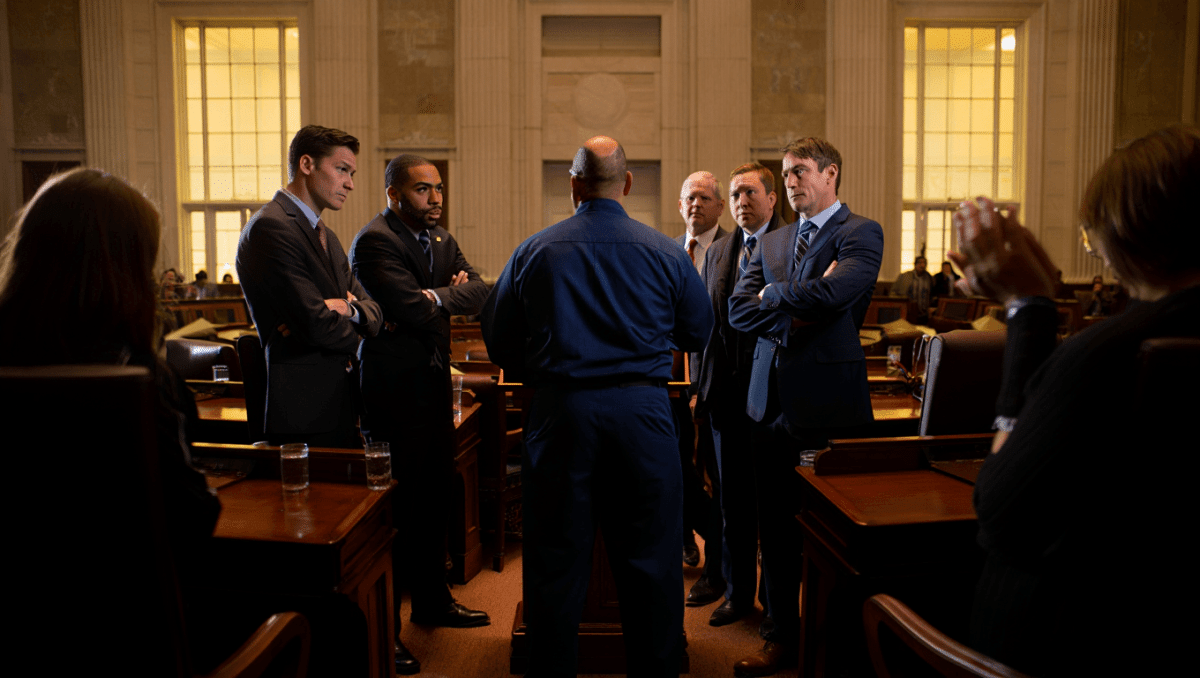
The audit, released by the state auditor’s office, details a wide range of problems discovered during an examination of facility operations and administrative controls. At a legislative hearing, members of both parties pushed the Department of Corrections for clearer explanations and concrete timelines for fixes.
Problems spelled out in the report
Inspectors described repeated lapses rather than isolated mistakes, suggesting systemic weaknesses in oversight. Lawmakers focused on how those weaknesses translate into real-world risks for staff, incarcerated people and surrounding communities.
Boxing champions ditch long runs for high-intensity training: new era in fight prep
Czech nationals among victims of Pinedale-area crash: two confirmed dead
- Inadequate documentation of critical incidents and delayed or incomplete incident reports
- Shortfalls in contraband prevention and searches, increasing the risk of illicit phones and weapons
- Gaps in timely medical and mental-health care for inmates
- Insufficient staff training and chronic staffing shortages at several facilities
- Poor inventory and tracking of equipment and controlled items
- Weaknesses in internal investigations and inconsistent application of disciplinary policies
Those items point to administrative and operational failures that inspectors say can compound over time, reducing institutional control and complicating reform efforts.
Hard questions from lawmakers
At the oversight hearing, members of the legislature pressed corrections executives on when and how problems would be corrected. Several legislators highlighted instances where written policies either were not followed or were not backed by reliable records.
For many lawmakers the crux was not only the existence of shortcomings but the pace and visibility of the department’s remedial steps. Some called for more frequent briefings to track progress and suggested expanding external oversight mechanisms.
What’s at stake
Beyond procedural lapses, the audit’s consequences are practical: increased assaults, delayed medical treatment, and erosion of staff morale can all raise costs and complicate rehabilitation efforts. For taxpayers, persistent mismanagement can drive budget requests and legal liabilities higher.
Several legislators noted the findings will shape upcoming budget negotiations and could influence whether new funds are tied to strict performance benchmarks.
Department response and next moves
Officials from the Department of Corrections acknowledged the audit’s findings and told lawmakers they would produce a formal corrective-action plan. They stressed that some issues are tied to staffing challenges and operational backlogs, while saying targeted reforms are already under way in specific units.
Legislators signaled they will monitor implementation closely. Possible next steps discussed at the hearing included:
- Requiring quarterly status updates to the legislature
- Commissioning follow-up reviews by the state auditor or inspector general
- Conditioning new appropriations on demonstrable progress in problem areas
Why this matters now
The audit arrives amid heightened scrutiny of public-sector accountability across Illinois. With prison populations, staffing pressures and correctional budgets continually in flux, the findings create a near-term imperative for action: without measurable fixes, lawmakers warned, risks to safety and fiscal strain could increase.
For the public, the audit underscores how administrative weaknesses inside correctional institutions can have ripple effects beyond prison walls—affecting community safety, court outcomes and state finances.
Lawmakers concluded the hearing by asking the Department of Corrections for a clear timeline for corrective measures and for evidence of results rather than promises. The next formal checkpoint is expected when the department submits its corrective plan and when auditors are invited to assess early implementation steps.